The global demand for robust and reliable hose crimping solutions is ever-increasing, driven by industries ranging from automotive and construction to agriculture and hydraulic systems. Understanding the nuances of a manual hose crimping machine price is crucial for businesses and individuals alike, as it directly impacts operational efficiency, safety, and long-term cost savings. Choosing the right equipment requires a careful assessment of factors like hose size, material, and crimping requirements.
In many regions, particularly developing countries and remote industrial sites, access to sophisticated, automated crimping machinery is limited. This is where the manual hose crimping machine presents a viable and cost-effective solution. The price point for these machines makes them accessible to a wider range of users, supporting local economies and enabling critical maintenance and repair operations. This accessibility is increasingly important as infrastructure development accelerates globally.
Ultimately, a well-chosen manual hose crimping machine isn't just a piece of equipment; it’s an investment in operational continuity, safety, and the ability to tackle hydraulic challenges effectively. The right manual hose crimping machine price can significantly reduce downtime and enhance overall productivity, leading to substantial long-term benefits.
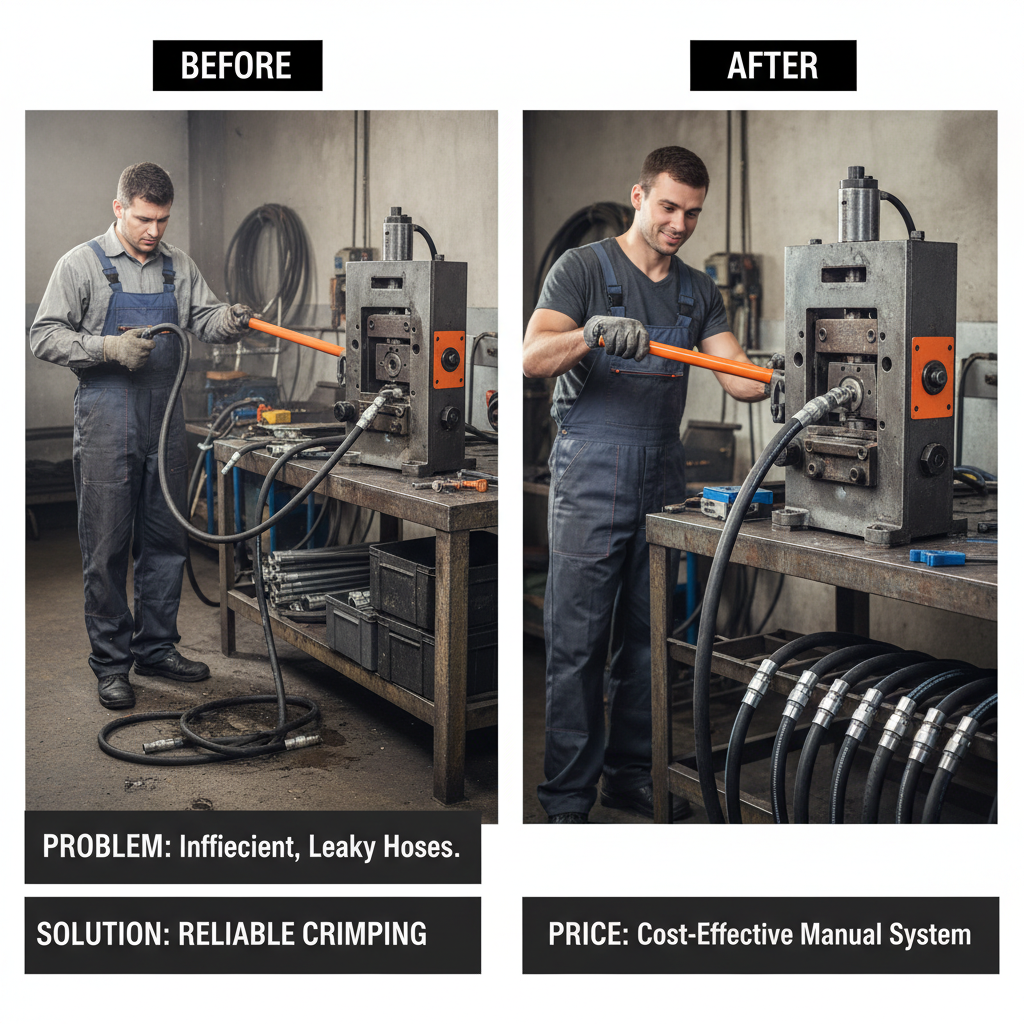
Defining Manual Hose Crimping Machine Price
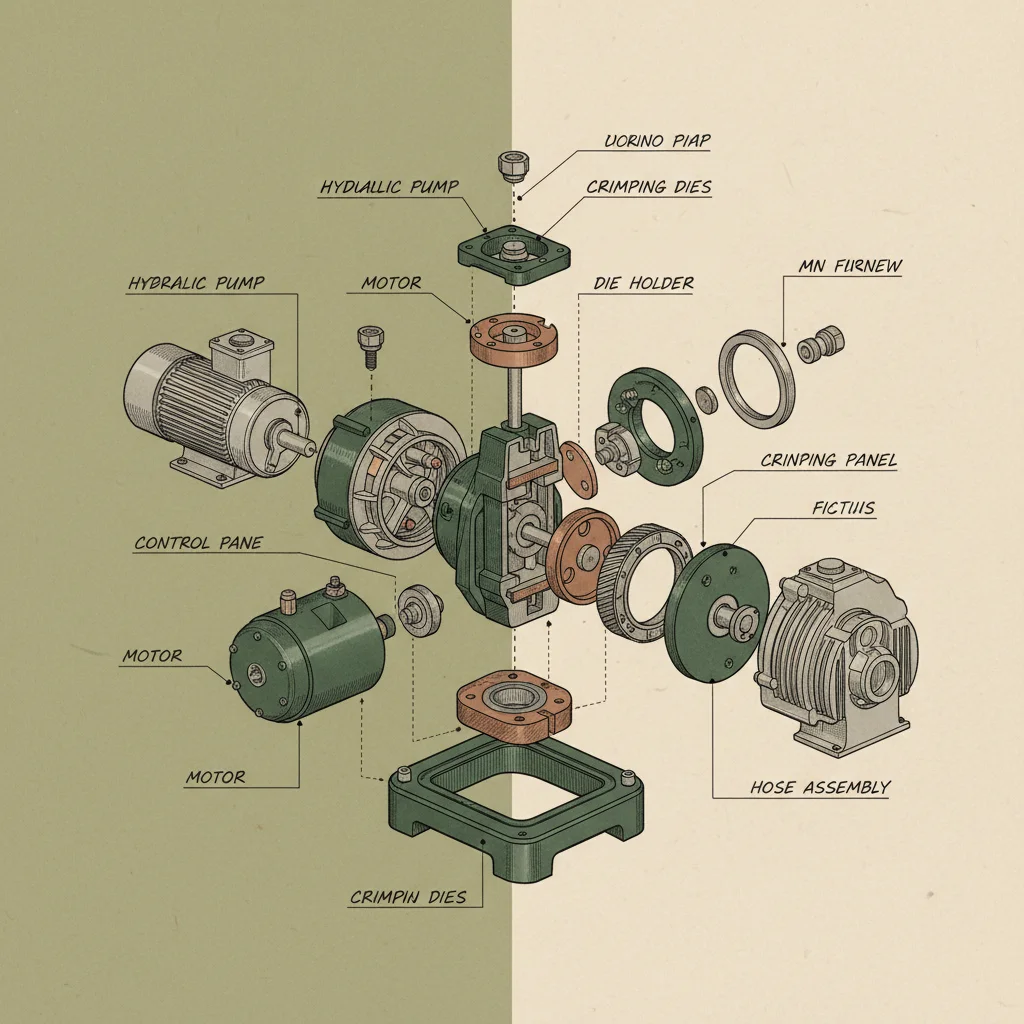
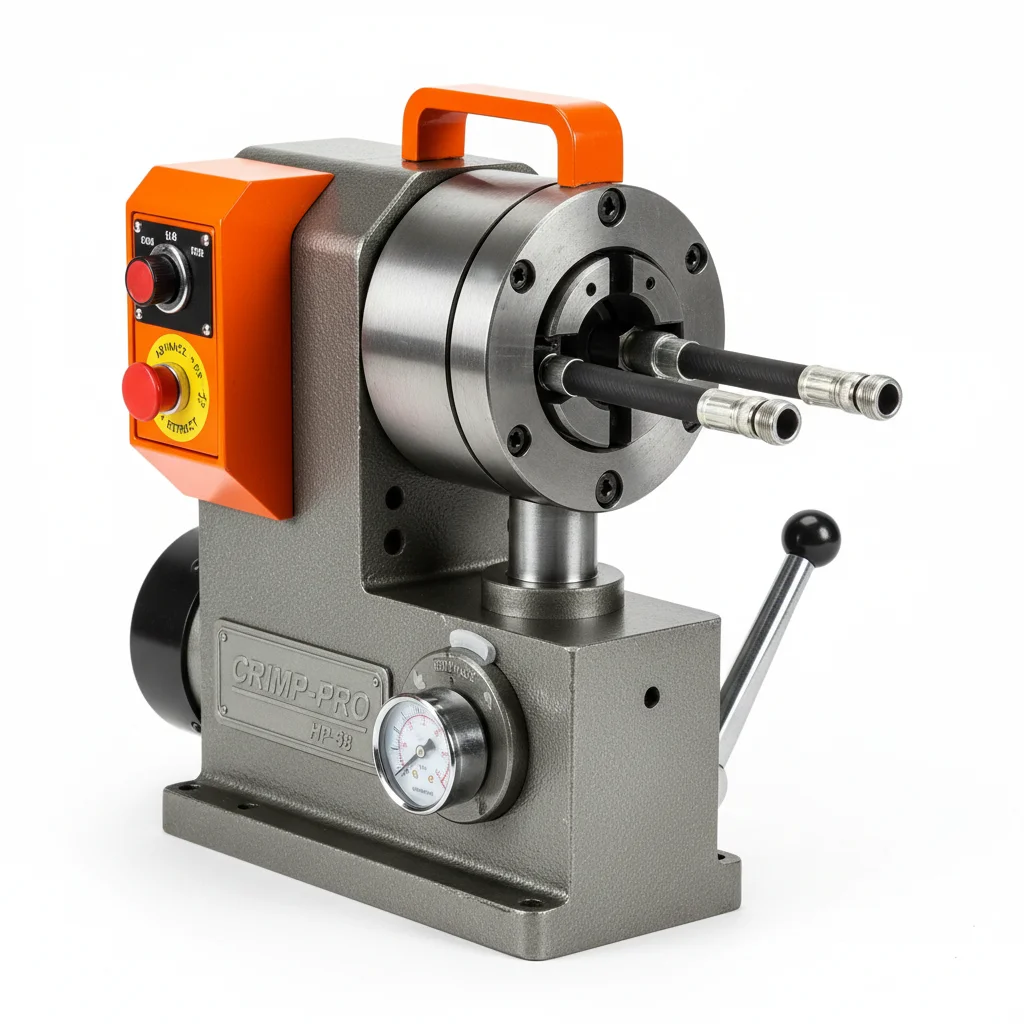
A manual hose crimping machine price represents the cost associated with a non-automated device designed to securely attach fittings to hydraulic hoses. This price encompasses the machine itself, its core components (like dies and handles), and often, a basic set of tools needed for operation. The manual hose crimping machine price varies significantly based on capacity, build quality, and brand reputation.
These machines are vital for industries where hose assembly is a frequent requirement, and downtime due to faulty connections can be costly. They fill a critical need in scenarios where automated systems are either financially prohibitive or impractical due to location or operational constraints. Their enduring relevance lies in their reliability and simplicity, making them a cornerstone of many maintenance and repair programs.
Global Relevance and Industry Context
Globally, the demand for hydraulic systems and, consequently, hose crimping solutions is tied to infrastructure development, industrial growth, and the maintenance of essential equipment. According to reports from the UN and World Bank, emerging economies are experiencing rapid expansion in sectors like construction, agriculture, and mining, all of which require consistent hose maintenance. Understanding the manual hose crimping machine price is particularly crucial in these regions.
ISO standards for hydraulic hose assembly emphasize the importance of correctly crimped connections for safety and reliability. A properly crimped hose reduces the risk of leaks, bursts, and equipment failure, protecting personnel and minimizing environmental impact. The affordability of manual crimping machines ensures that businesses, even with limited resources, can adhere to these crucial safety standards.
The challenge lies in ensuring quality and consistency in hose crimping across diverse operational environments. While automated systems offer precision, the accessibility and cost-effectiveness of manual machines allow for wider implementation, particularly in remote areas where specialized technicians are scarce.
Understanding the Price Components
The manual hose crimping machine price isn't a single, fixed number; it's a compilation of costs reflecting various factors. These include the raw materials used in construction (steel, alloys), the complexity of the machine’s design, the manufacturing process, and the vendor's markup. The type and number of included dies – essential for accommodating different hose sizes and fitting types – significantly impact the overall cost.
Furthermore, the level of quality control and certification adds to the price. Machines manufactured to meet stringent international standards generally command a higher price tag but offer increased reliability and longevity. The included warranty and the availability of spare parts also contribute to the overall value and, consequently, the price.
Finally, shipping costs and import duties, particularly for international purchases, can significantly inflate the final price. It’s crucial to factor in these hidden costs when comparing quotes from different suppliers and considering the total cost of ownership.
Key Factors Influencing Manual Hose Crimping Machine Price
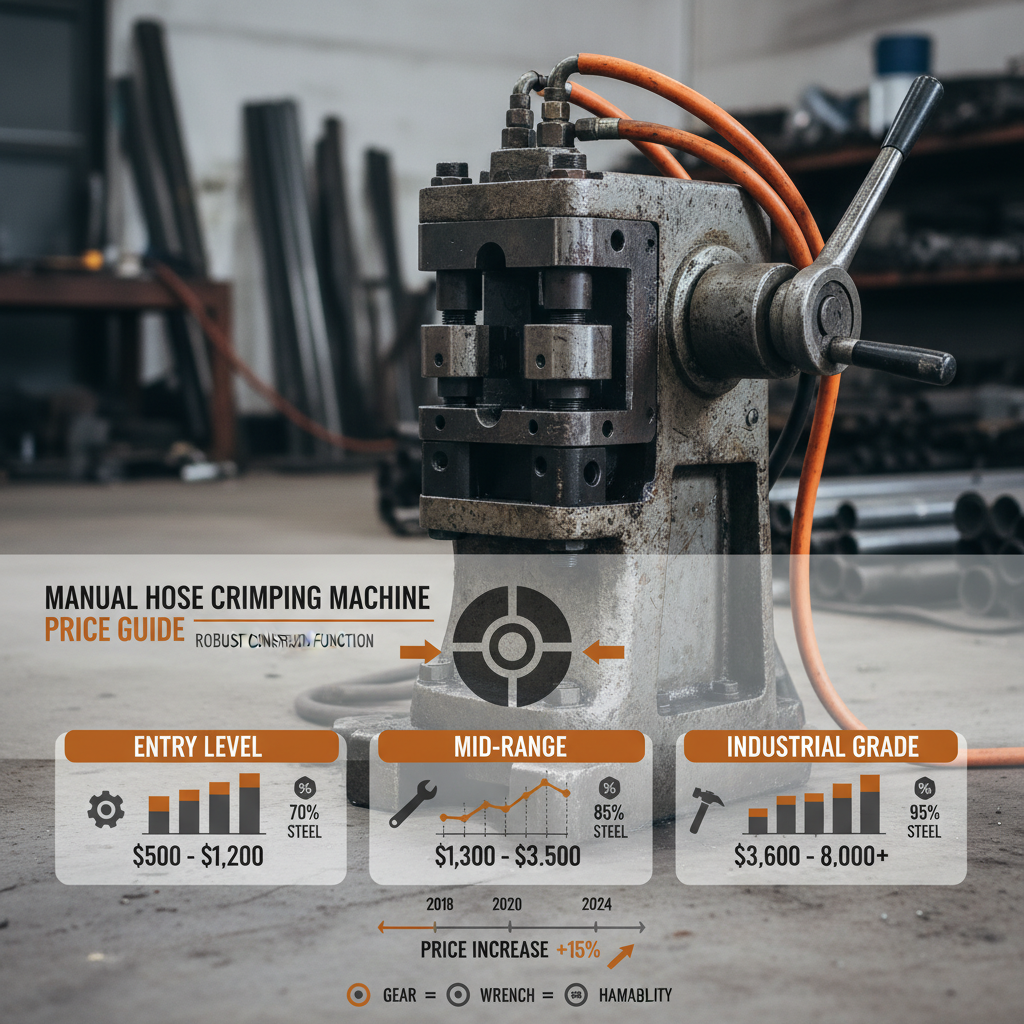
Several core factors directly affect the manual hose crimping machine price. Capacity, measured in hose diameter and pressure rating, is a primary driver. Machines designed for larger hoses and higher pressures are inherently more robust and therefore more expensive. Build quality, encompassing the materials used and the precision of manufacturing, also plays a critical role.
The level of portability impacts price as well. Lightweight and easily transportable machines, often favored by field service technicians, tend to be more expensive due to the use of specialized materials and designs. Brand reputation and after-sales support contribute to cost; established brands with a proven track record and readily available spare parts often charge a premium.
Price vs. Key Features of Manual Hose Crimping Machines
Applications Across Diverse Industries
Manual hose crimping machines find application across a broad spectrum of industries. In the automotive sector, they are essential for repairing hydraulic lines in vehicles and heavy machinery. Construction sites rely on them for maintaining hydraulic equipment used in excavation, lifting, and demolition.
Agriculture benefits significantly, using these machines to repair irrigation systems and hydraulic components on tractors and other farm equipment. Marine applications, including boat maintenance and repair, also frequently utilize manual crimping machines due to their portability and reliability.
Advantages & Long-Term Value Proposition
The primary advantage of a manual hose crimping machine lies in its cost-effectiveness. The initial manual hose crimping machine price is significantly lower than that of automated systems, making it accessible to small businesses and individuals. Furthermore, the reduced reliance on electricity contributes to lower operating costs and increased energy efficiency.
Long-term value stems from increased operational independence and reduced downtime. The ability to perform hose repairs in-house eliminates the need to outsource the work, saving both time and money. Properly maintained manual crimping machines can provide years of reliable service, offering a strong return on investment.
Future Trends and Innovations in Hose Crimping
While manual machines represent a traditional approach, innovation continues within this segment. Manufacturers are focusing on improving ergonomics and user-friendliness, making the crimping process less strenuous and more efficient. The development of more versatile die sets, capable of handling a wider range of hose sizes and fitting types, is also a key trend.
Sustainability is increasingly influencing design, with manufacturers exploring the use of more durable and recyclable materials. Digital integration, such as the inclusion of pressure gauges and measurement tools, could enhance precision and quality control. Ultimately, the focus will remain on providing a cost-effective and reliable solution for hose assembly.
Summary of Factors Affecting Manual Hose Crimping Machine Longevity
| Material Quality |
Maintenance Frequency |
Operating Environment |
Usage Intensity |
| High-grade steel alloys contribute to a longer lifespan. |
Regular lubrication and cleaning extend machine life. |
Protection from moisture and extreme temperatures is vital. |
Infrequent use generally results in longer service intervals. |
| Lower-quality materials may corrode and fail more quickly. |
Neglecting maintenance leads to accelerated wear and tear. |
Exposure to harsh conditions can cause rapid degradation. |
Continuous heavy use shortens overall machine lifespan. |
| Score: 9/10 |
Score: 8/10 |
Score: 7/10 |
Score: 6/10 |
| Consistent material testing improves product durability. |
Following manufacturer's maintenance schedule is critical. |
Proper storage and covering when not in use helps. |
Implement a rotation system if multiple machines available. |
| Advanced coating technologies can prevent corrosion. |
Routine inspections for wear and tear are essential. |
Indoor usage extends lifespan compared to outdoor. |
Minimize strain on components during operation. |
| Use of hardened steel increases resistance to wear. |
Regularly replace worn dies and components. |
Control humidity levels in storage/operating areas. |
Adhere to rated capacity limits to prevent damage. |
FAQS
The lifespan of a manual hose crimping machine is highly dependent on usage frequency, maintenance, and the quality of construction. With regular lubrication, proper storage, and adherence to operating guidelines, a well-built machine can easily last 5-10 years or even longer. Heavy industrial use will naturally shorten its lifespan compared to occasional use in a workshop. Investing in a machine made from durable materials significantly impacts longevity.
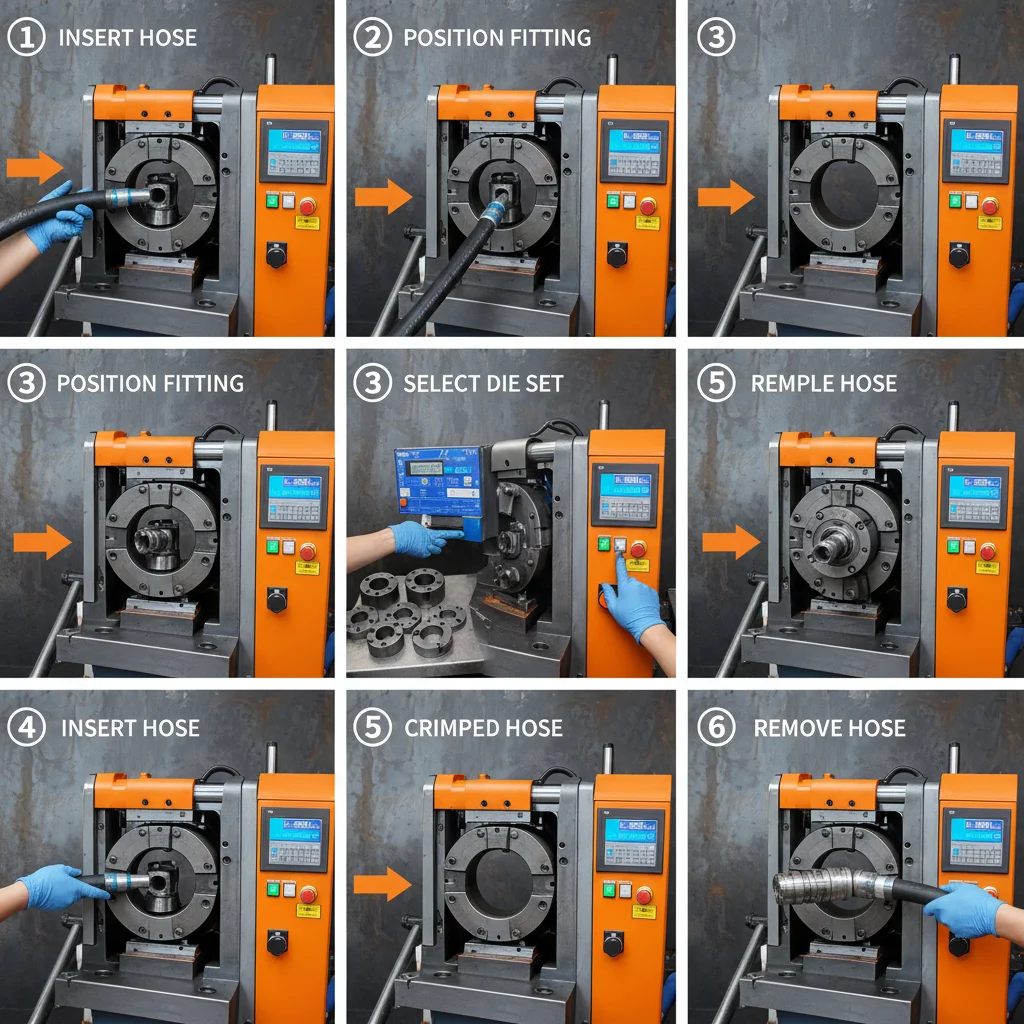
Selecting the correct die set is crucial for achieving a secure and reliable crimp. Die sets are typically sized to accommodate specific hose diameters and fitting types. Refer to the hose and fitting manufacturer’s specifications to determine the appropriate die size. Many machines come with a basic set of dies, but you may need to purchase additional dies to cover a wider range of applications. Ensuring compatibility is key to preventing damage to the hose or fittings.
Regular maintenance is essential for ensuring optimal performance and extending the life of your machine. This includes lubricating moving parts regularly (typically with a light oil), cleaning the machine after each use to remove debris, and inspecting the dies for wear and tear. Periodically check the tightening of all bolts and screws. Following the manufacturer's recommended maintenance schedule will prevent costly repairs down the line.
While manual crimping machines are relatively simple to operate, proper training is highly recommended to ensure safety and achieve consistent, high-quality crimps. Training should cover the correct procedure for selecting dies, positioning the hose and fitting, and operating the machine. Understanding potential hazards and safety precautions is crucial for preventing injuries and damage to the equipment.
Manual hose crimping machines are suitable for a wide range of hydraulic hoses, but there are limitations. They are generally best suited for hoses with smaller diameters and moderate pressure ratings. High-pressure hoses or those made from specialized materials may require more robust, automated crimping equipment. Always check the machine's specifications and the hose manufacturer’s recommendations before attempting to crimp a particular hose.
When comparing manual hose crimping machine price points, don't solely focus on the initial cost. Consider the capacity of the machine, the quality of its construction, the number and type of included dies, the warranty offered, and the availability of spare parts. Also, factor in shipping costs and any potential import duties. A slightly more expensive machine with better build quality and comprehensive support may represent a better long-term value.
Conclusion
In conclusion, the manual hose crimping machine price offers a compelling solution for businesses and individuals requiring reliable hose assembly capabilities without the expense and complexity of automated systems. Understanding the factors that influence price, recognizing the advantages of manual operation, and prioritizing quality and maintenance are key to maximizing long-term value and ensuring operational efficiency.
As industries continue to evolve, the demand for adaptable and cost-effective hose crimping solutions will remain strong. Investing in a well-chosen manual machine provides a foundation for maintaining critical infrastructure, supporting operational independence, and enhancing safety standards. For a wide selection of machines and expert advice, visit our website today: www.willexcrimper.com