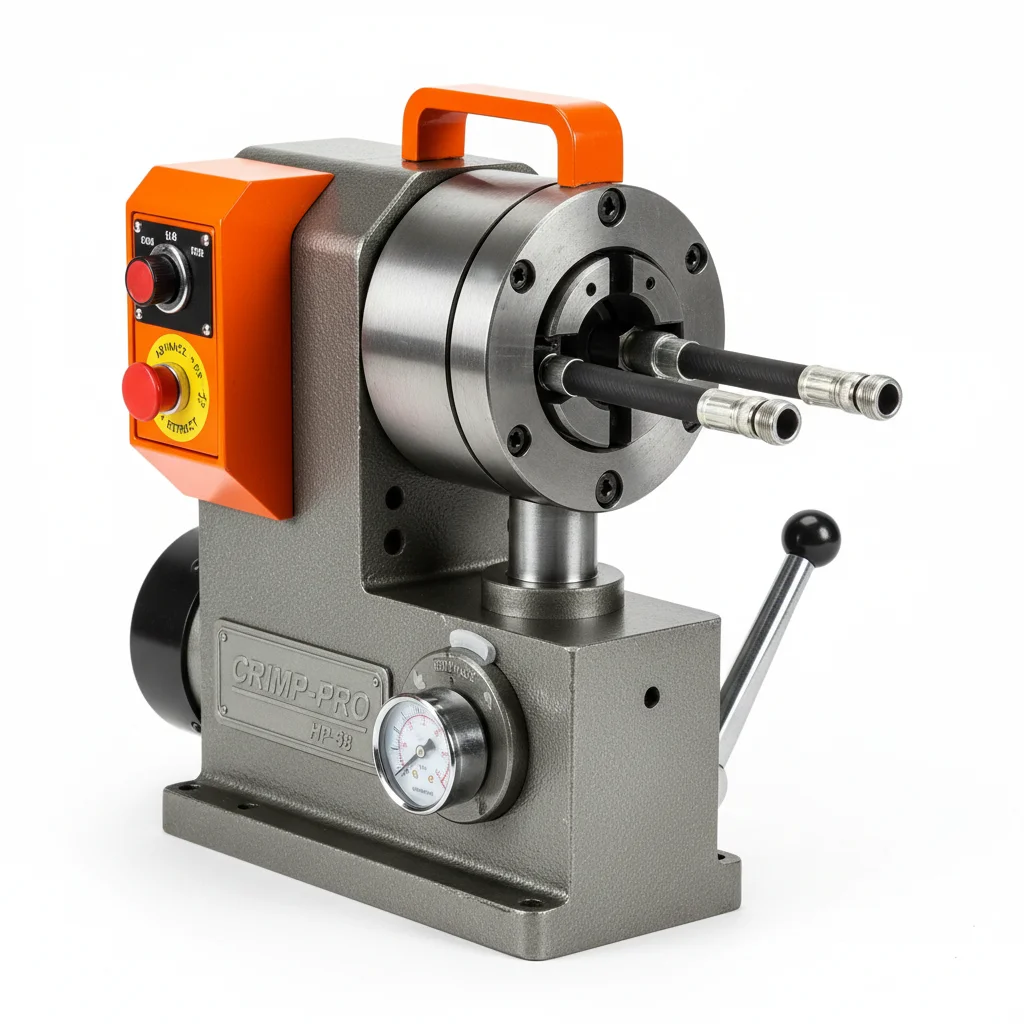
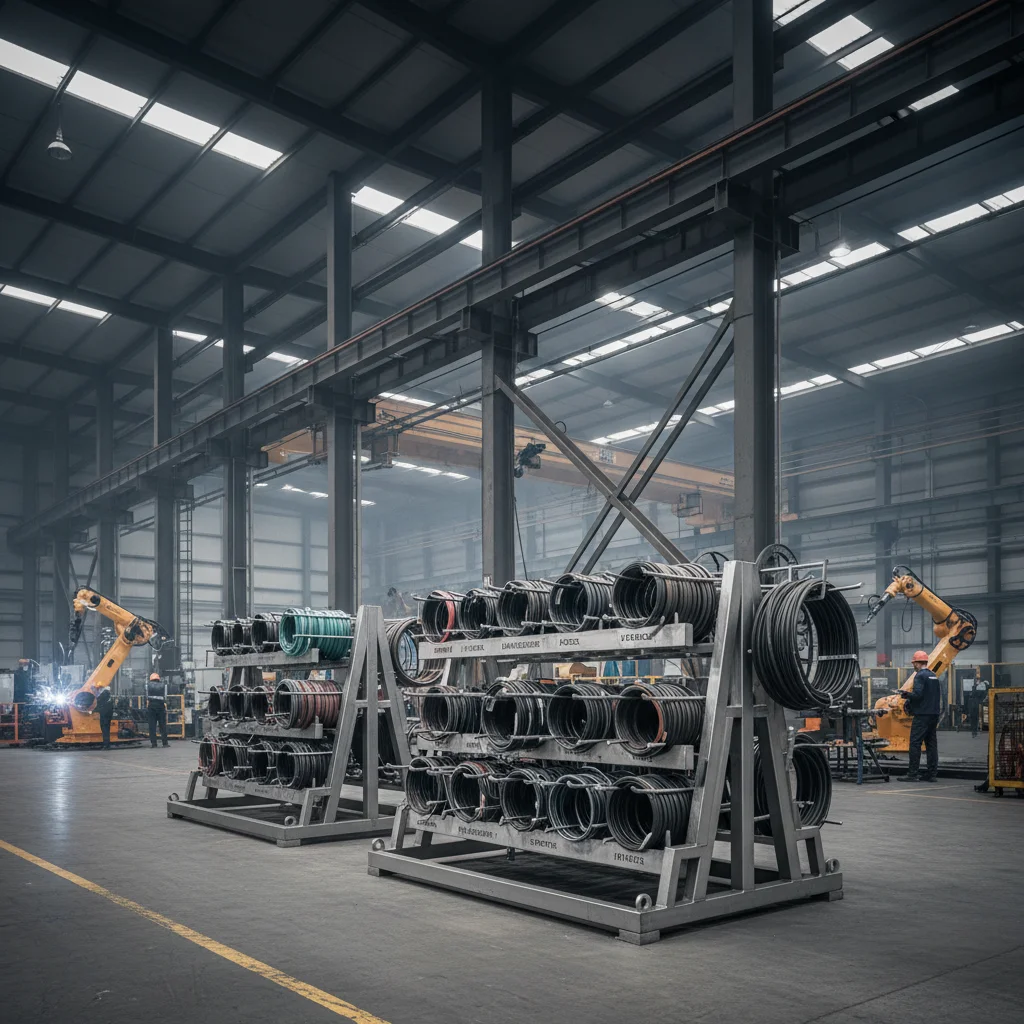
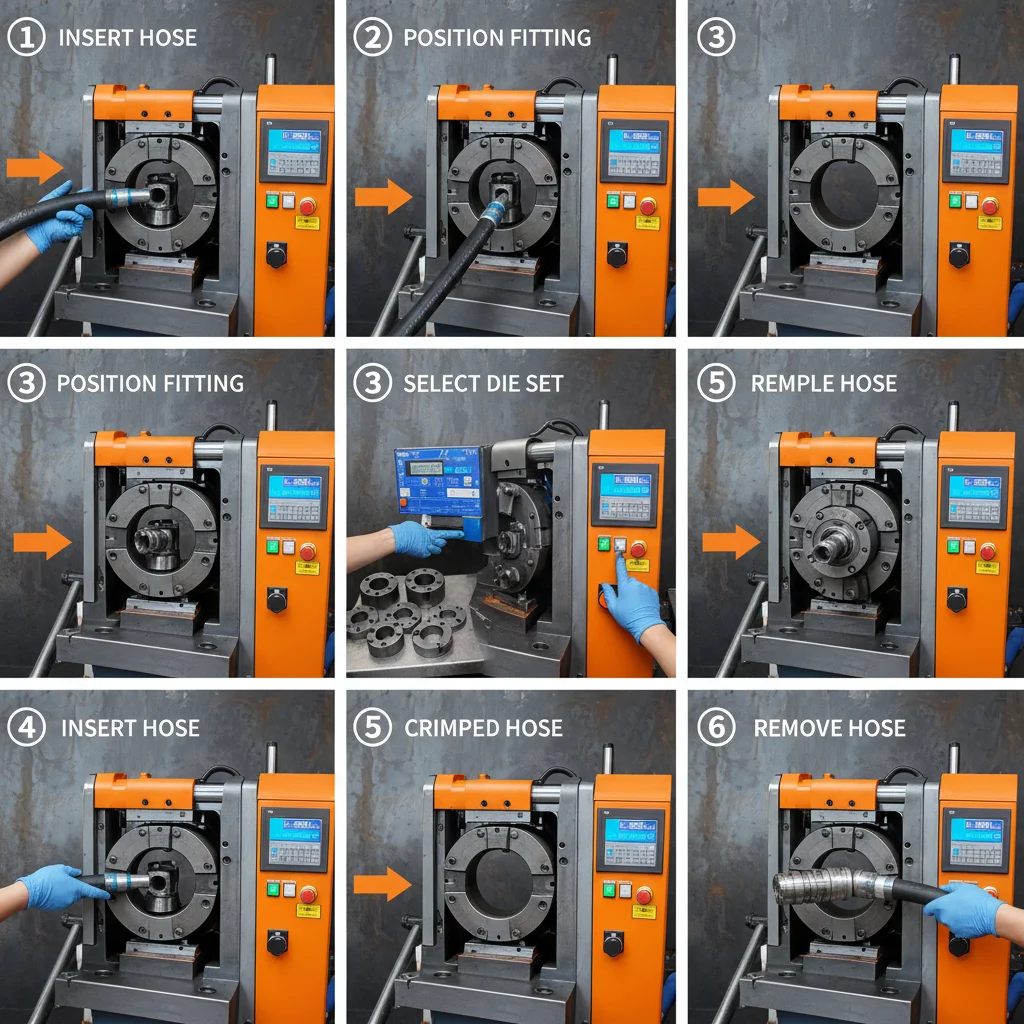
The world's infrastructure relies heavily on robust and efficient piping systems. A hydraulic pipe making machine is a critical component in constructing these systems, offering a scalable and reliable solution for producing high-quality pipes across diverse industries. From oil and gas pipelines to water distribution networks, these machines play a vital role in modern civilization. Understanding their capabilities and advancements is paramount for engineers, project managers, and policymakers alike.
Globally, demand for durable and cost-effective piping solutions is steadily increasing, driven by population growth, urbanization, and infrastructure development, particularly in emerging economies. According to the UN, investments in water and sanitation infrastructure require an estimated $6.7 trillion by 2030 to achieve Sustainable Development Goal 6. Hydraulic pipe making machine technology addresses the challenges of delivering these crucial infrastructures efficiently and sustainably.
However, current pipe manufacturing processes often face limitations in terms of speed, precision, and adaptability. The development and implementation of innovative hydraulic pipe making machine solutions are therefore essential to overcome these hurdles and meet the evolving demands of the 21st century.
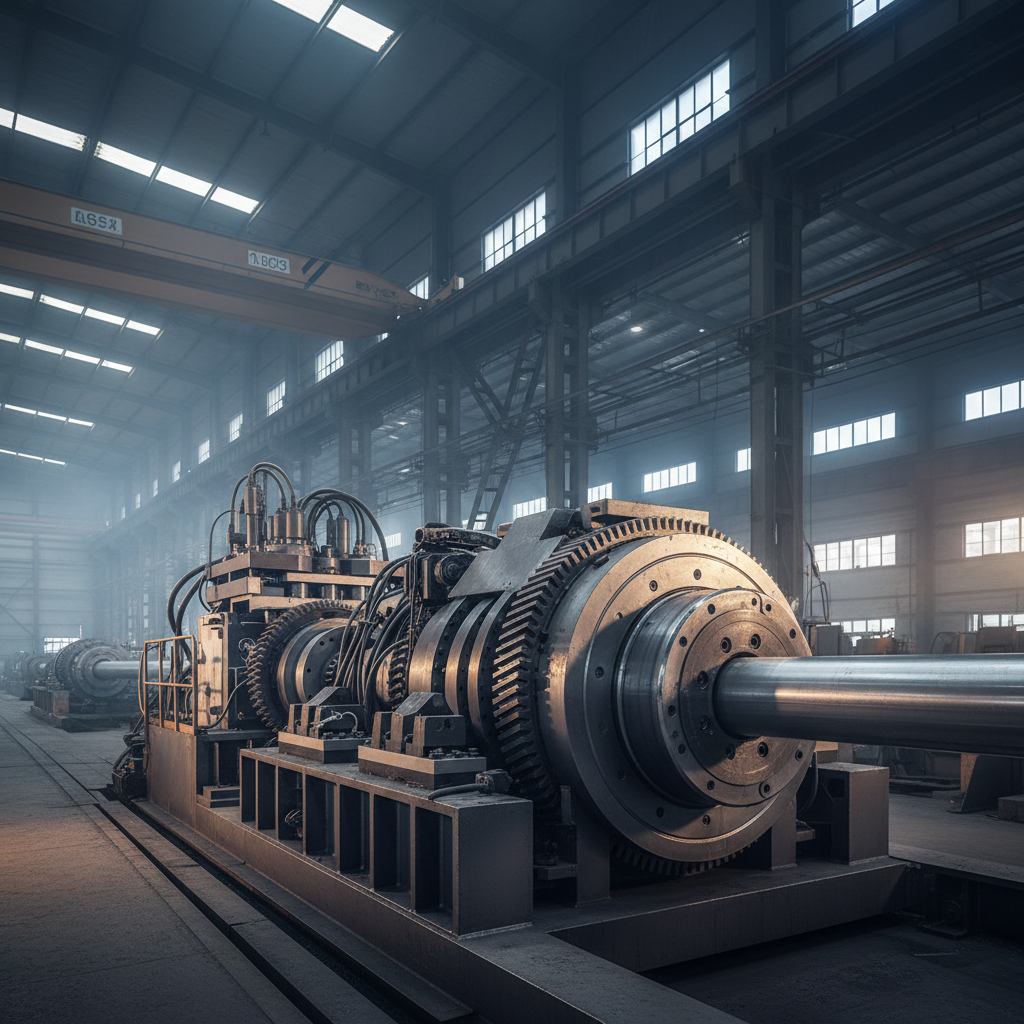
The Core Principles of Hydraulic Pipe Making Machine
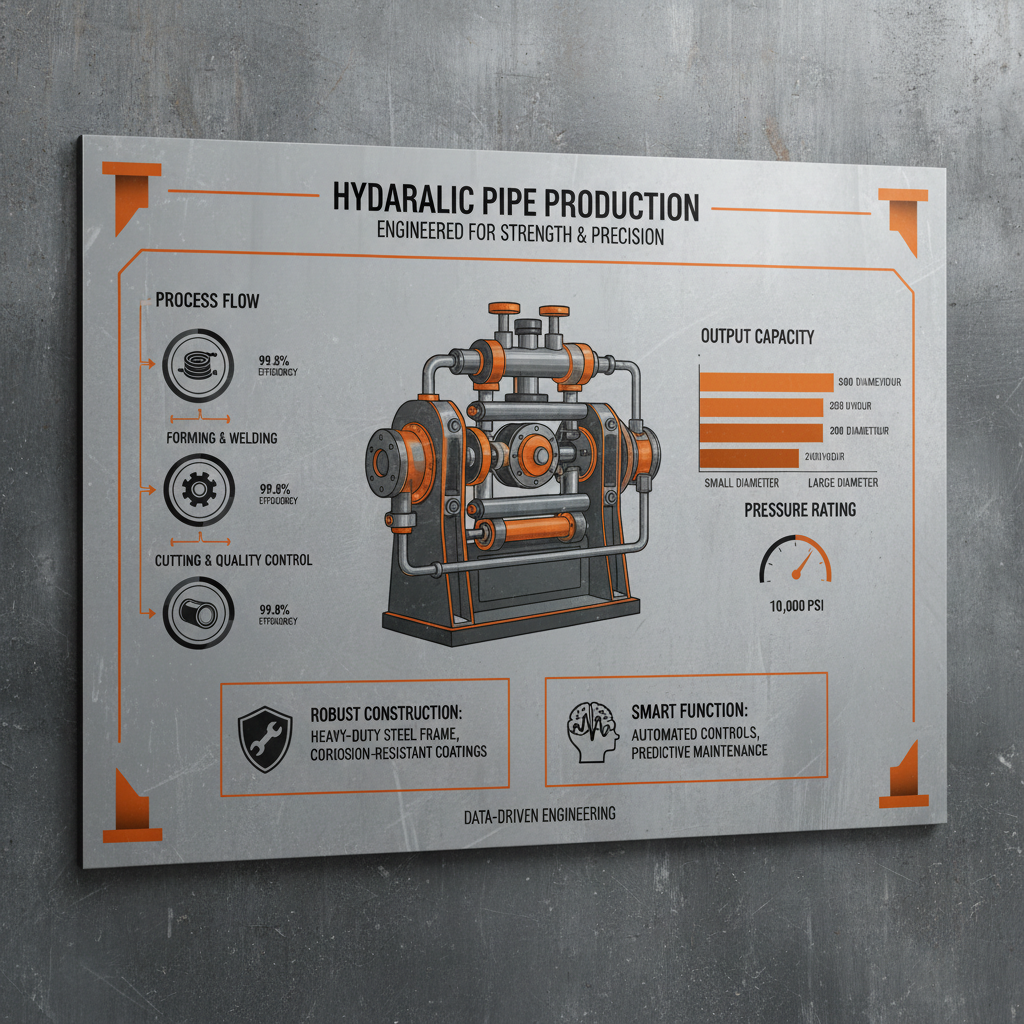
At the heart of a hydraulic pipe making machine lies the principle of using fluid pressure to deform and shape metal sheets into cylindrical pipes. This process generally involves forming, welding, and often, subsequent sizing and testing. The core benefit is the ability to create consistently sized and strong pipes with relative speed and efficiency.
Modern machines incorporate sophisticated hydraulic systems that provide precise control over forming rolls, welding torches, and other critical components. This allows for the creation of pipes with varying diameters, wall thicknesses, and materials, making them suitable for a wide array of applications.
FAQS
Most hydraulic pipe making machines are designed to work with a range of metals including carbon steel, stainless steel, and aluminum. The specific alloy and gauge will depend on the machine's capacity and tooling. Some machines can even handle specialized alloys for particularly demanding applications. Regular tooling changes are typically required to accommodate different materials.
Production speed varies significantly based on the machine's capabilities, pipe diameter, wall thickness, and material type. However, a modern hydraulic pipe making machine can typically produce between 10 to 50 meters of pipe per minute. Automated systems generally offer faster production rates than manually operated machines.
Regular maintenance is crucial for optimal performance and longevity. This includes daily checks of hydraulic fluid levels, lubrication of moving parts, and inspection of rollers and welding units. Periodic preventative maintenance, such as filter replacements and system calibrations, should be performed by qualified technicians.
Safety is paramount. Modern hydraulic pipe making machines include features such as emergency stop buttons, safety guards around moving parts, interlocks that prevent operation with open access panels, and overload protection systems. Proper training and adherence to safety protocols are essential for preventing accidents.
With proper maintenance and care, a well-built hydraulic pipe making machine can have a lifespan of 15 to 20 years, or even longer. The lifespan is dependent on usage intensity, the quality of components, and the effectiveness of the maintenance program.
The cost varies widely based on capacity, automation level, features, and manufacturer. Factors include pipe diameter range, wall thickness capability, welding technology (e.g., TIG, laser), the degree of automation, and any included software or control systems. Customization also impacts the price.
Conclusion
In conclusion, the hydraulic pipe making machine remains a cornerstone of modern infrastructure development, offering a versatile, efficient, and scalable solution for pipe production. Its ability to meet the diverse needs of industries ranging from oil & gas to water treatment makes it an indispensable tool for building and maintaining a robust global infrastructure. Understanding the core principles, technological advancements, and future trends surrounding this technology is crucial for stakeholders across the value chain.
As we look ahead, continued innovation in automation, materials science, and digitalization will further enhance the capabilities of these machines, driving down costs, improving quality, and promoting sustainability. For organizations seeking reliable and high-performance pipe manufacturing solutions, investing in a state-of-the-art hydraulic pipe making machine is a strategic decision that will yield long-term benefits.
Related Posts
-
Advancements in China’s Hydraulic Hose Crimping Machine Technology and Design
-
Investing in Reliable Hose Assembly Machines for Optimal Efficiency and Safety
-
Investing in a Reliable Hose Press for Sale Ensures Operational Efficiency and Safety
-
Understanding the Landscape of hose crimping machine china and Design Considerations