• Home
  • Top Blog
  • Advanced Hydraulic Hose Manufacturing Machine Solutions for Modern Industries

Advanced Hydraulic Hose Manufacturing Machine Solutions for Modern Industries

0%

Table of Contents

The global demand for robust and reliable fluid conveyance systems fuels the need for advanced hydraulic hose manufacturing machines. These machines aren’t simply about production; they are fundamental to sectors like construction, agriculture, mining, and automotive, underpinning critical operations and infrastructure worldwide. As industries evolve, so too does the demand for higher-performing, safer, and more durable hydraulic hoses, creating a constant drive for innovation in manufacturing processes.

Hydraulic hose manufacturing is a specialized field that directly impacts the efficiency and safety of countless applications. From heavy machinery operating in remote locations to critical systems within aerospace engineering, the quality and integrity of these hoses are paramount. The increasing complexity of hydraulic systems and the need for custom solutions drive the requirement for sophisticated hydraulic hose manufacturing machines capable of handling diverse materials and specifications.

The modern hydraulic hose manufacturing machine represents a confluence of engineering disciplines, including materials science, precision mechanics, and automation. Understanding these machines is crucial not only for manufacturers but also for end-users who rely on their products for mission-critical operations. Investing in cutting-edge manufacturing technologies translates directly into improved product performance, reduced downtime, and enhanced safety for operators and the environment.
hydraulic hose manufacturing machine

The Global Importance of Hydraulic Hose Manufacturing Machine
hydraulic hose manufacturing machine

The demand for hydraulic hose manufacturing machines is directly correlated with global industrial output and infrastructure development. According to the UN, global manufacturing value added reached approximately $15 trillion in 2022, and a significant portion of this relies on the efficient operation of hydraulic systems. Furthermore, the World Bank estimates that investment in infrastructure in developing countries will exceed $1 trillion annually in the coming decade, driving the need for durable and reliable hydraulic components.

A critical challenge facing the industry is the need to balance increasing production demands with stringent environmental regulations and the pursuit of sustainable manufacturing practices. Older machine models may lack the efficiency and precision required to minimize waste and reduce energy consumption. Modern hydraulic hose manufacturing machines address this challenge by incorporating advanced control systems, automated processes, and materials optimization features.

Defining Hydraulic Hose Manufacturing Machine

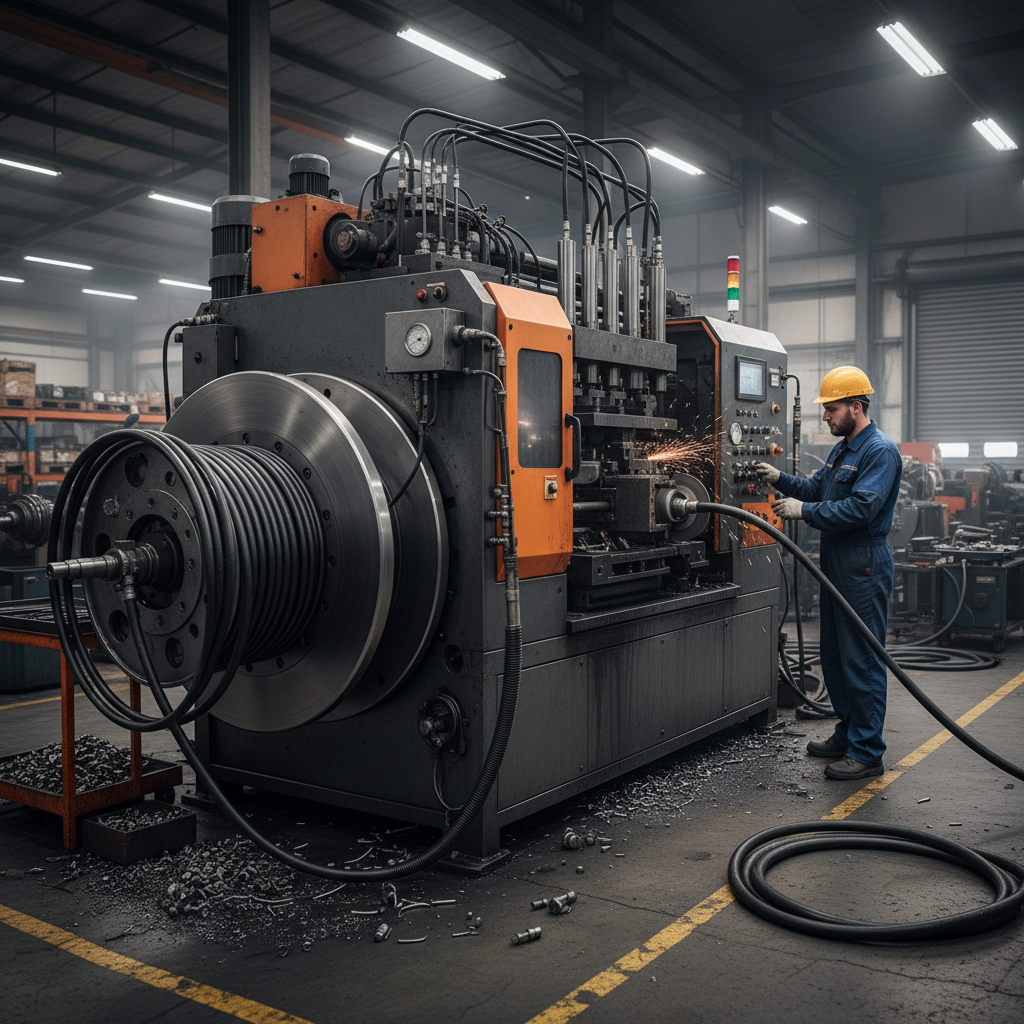
A hydraulic hose manufacturing machine is a sophisticated assembly of equipment designed to produce hydraulic hoses that can safely and effectively transmit fluid power. It typically involves multiple stages, including tube cutting, hose assembly (skiving, inserting reinforcement layers), crimping, testing, and quality control. These machines are often highly automated and can handle a wide variety of hose types, sizes, and materials.

The connection to modern industry is undeniable. Hydraulic systems, powered by these hoses, are essential for everything from powering heavy construction equipment and agricultural machinery to operating aircraft landing gear and robotics in manufacturing plants. Even humanitarian efforts rely on hydraulic systems – for example, in mobile water purification units and emergency response vehicles.

Essentially, the hydraulic hose manufacturing machine is the backbone of countless industrial and operational processes, ensuring the smooth and reliable transfer of power in a diverse range of applications. Without them, many modern technologies and critical infrastructure systems would simply not function.

Core Components and Operational Factors

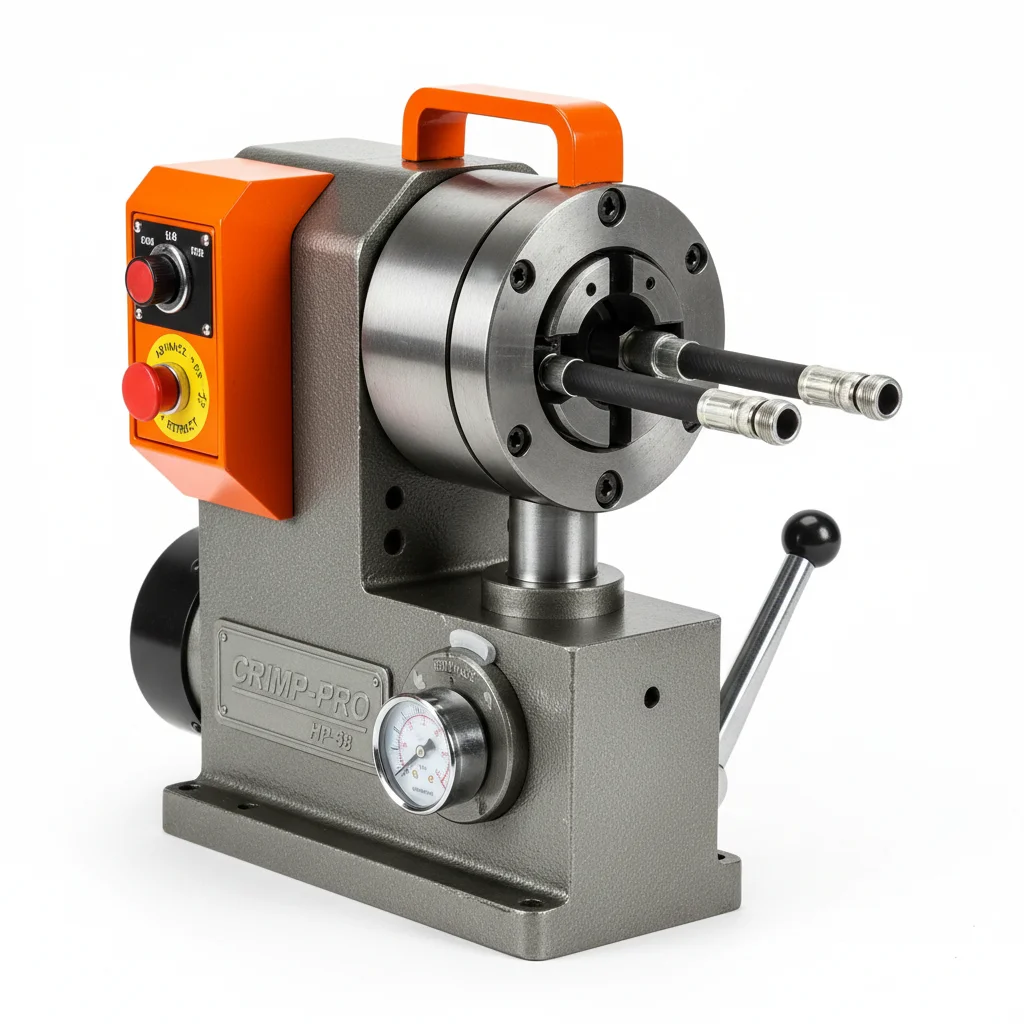
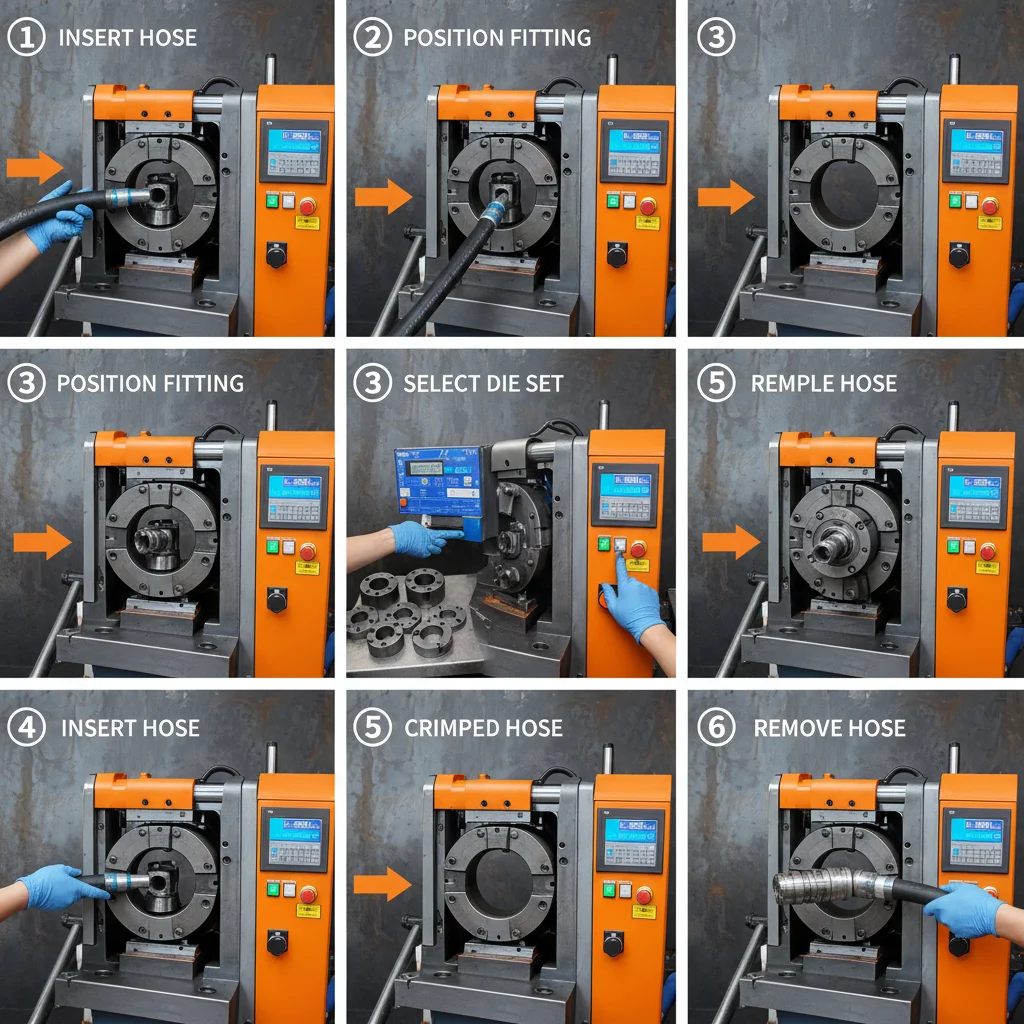
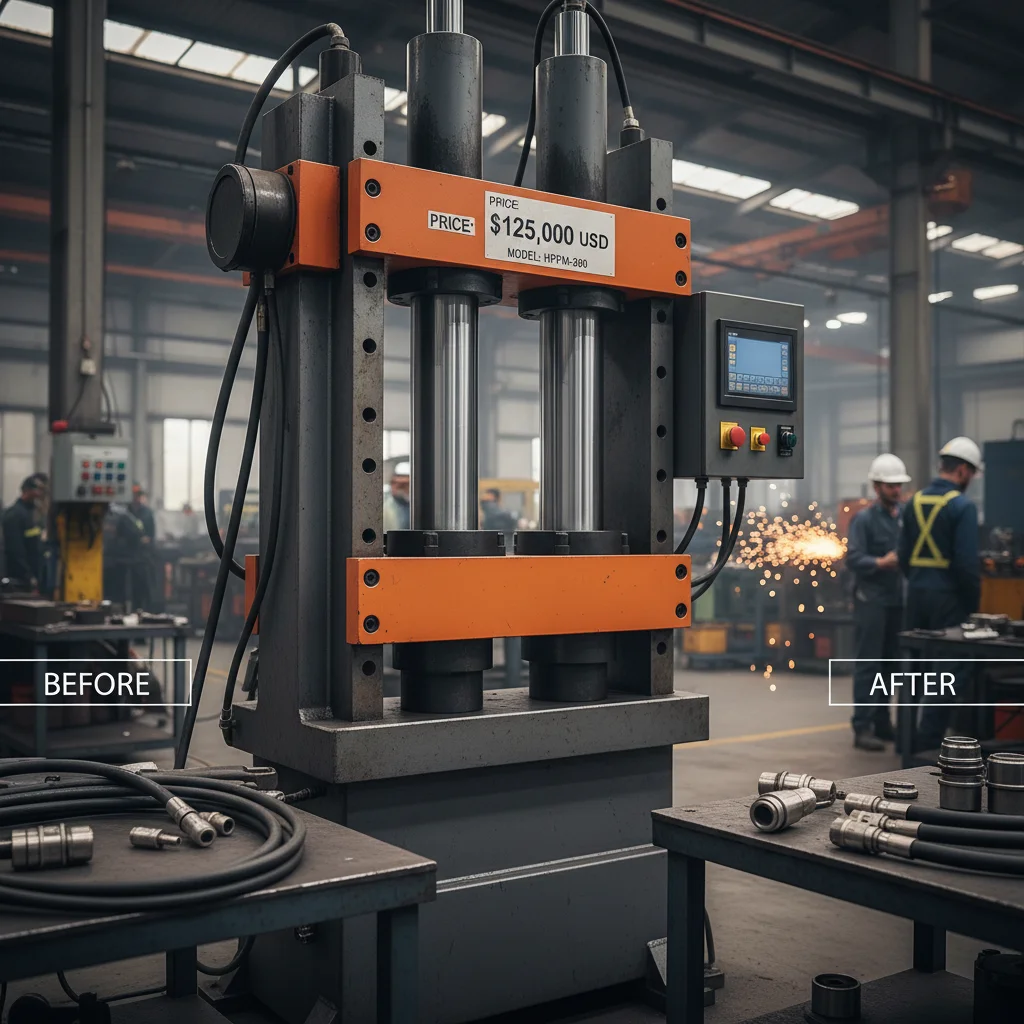
Several core components dictate the performance of a hydraulic hose manufacturing machine. These include the hose cutting unit, which must provide precise and clean cuts; the skiving and reinforcement application system, ensuring proper layering for strength and flexibility; and, crucially, the crimping machine itself, which securely attaches the fittings to the hose, creating a leak-proof seal.

Operational factors such as material compatibility, die selection, and crimp pressure are equally important. Using the incorrect die or applying insufficient pressure can lead to hose failure, while excessive pressure can damage the hose or fittings. Skilled operators and robust quality control procedures are therefore essential to ensure consistent product quality.

Beyond the physical components, the control system plays a pivotal role. Modern machines utilize programmable logic controllers (PLCs) and human-machine interfaces (HMIs) to automate processes, monitor performance, and provide real-time feedback. This level of control enhances precision, reduces errors, and increases overall efficiency.

Key Performance Indicators in Hydraulic Hose Manufacturing Machine

Evaluating the performance of a hydraulic hose manufacturing machine relies on several key performance indicators (KPIs). These metrics help manufacturers optimize their processes, improve product quality, and reduce costs.

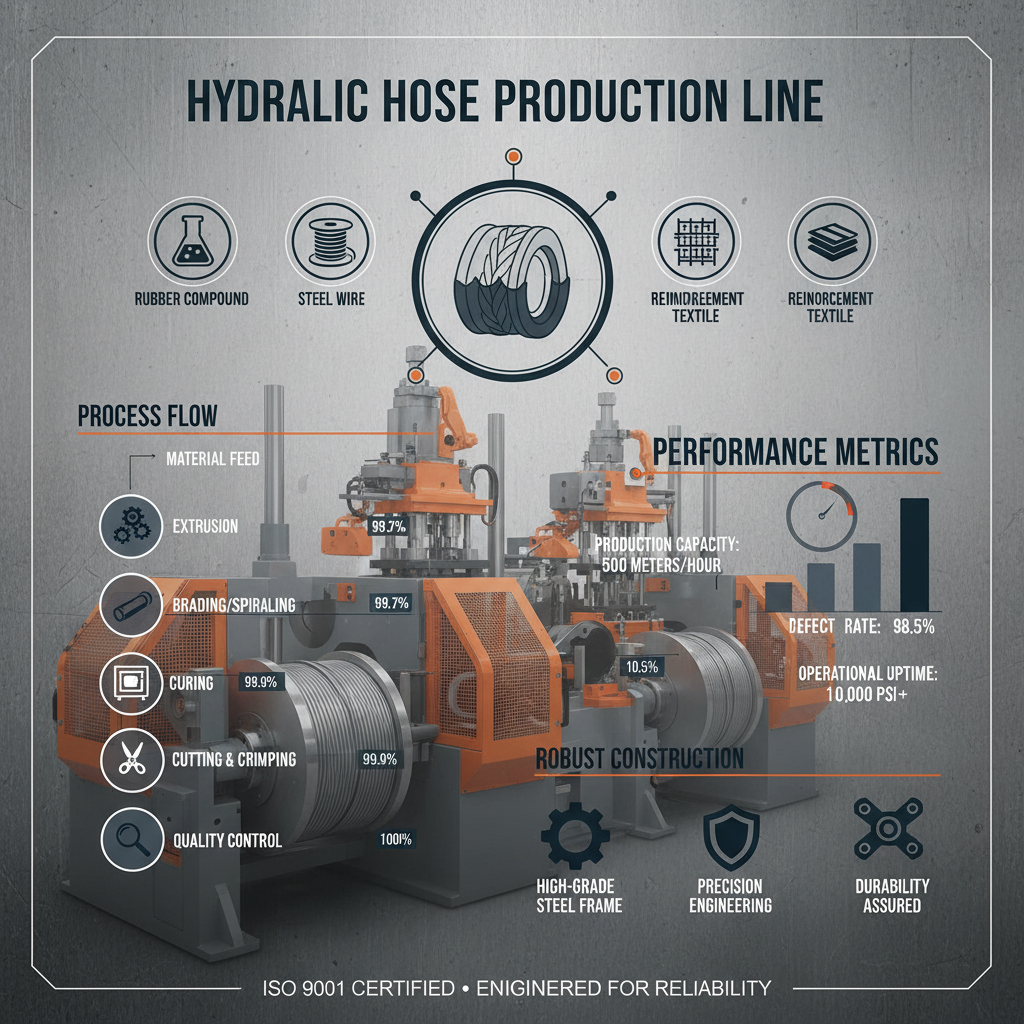
Critical KPIs include production rate (hoses per hour), scrap rate (percentage of defective hoses), cycle time (time to complete one hose assembly), and uptime (percentage of time the machine is operational). Monitoring these indicators allows for the identification of bottlenecks and areas for improvement.

Hydraulic Hose Manufacturing Machine KPI Comparison

Global Applications and Industry Impact

The applications of hydraulic hoses, and thus the demand for efficient hydraulic hose manufacturing machines, span a vast range of industries. In construction, they power excavators, bulldozers, and cranes. In agriculture, they are crucial for tractors, harvesters, and irrigation systems. Mining operations rely heavily on hydraulic hoses for powering drilling rigs and material handling equipment.

In remote industrial zones, where access to maintenance and replacement parts is limited, the durability and reliability of hydraulic hoses are especially critical. In post-disaster relief operations, mobile hydraulic systems are often used for debris removal, water pumping, and emergency power generation. The automotive industry also utilizes hydraulic hoses in power steering, braking systems, and various other applications.

Advantages and Long-Term Value Proposition

Investing in a high-quality hydraulic hose manufacturing machine delivers significant tangible benefits. These include reduced production costs through increased efficiency and decreased scrap rates, enhanced product quality leading to fewer warranty claims, and improved safety for operators and end-users.

Beyond the immediate cost savings, the long-term value proposition extends to sustainability. Modern machines often incorporate features that minimize waste, reduce energy consumption, and utilize eco-friendly materials. This commitment to environmental responsibility enhances brand reputation and aligns with growing consumer demand for sustainable products. The emotional benefit of providing safe and reliable products builds trust and strengthens customer relationships.

Future Trends and Technological Advancements

The future of hydraulic hose manufacturing machines is inextricably linked to advancements in automation, digital transformation, and materials science. We are witnessing a growing trend towards “smart” manufacturing, where machines are equipped with sensors and data analytics capabilities to optimize performance and predict maintenance needs.

The integration of Industry 4.0 technologies, such as the Internet of Things (IoT) and artificial intelligence (AI), will enable real-time monitoring, predictive maintenance, and adaptive control systems. Furthermore, research into new materials, such as thermoplastic hoses and bio-based polymers, promises to enhance durability, reduce weight, and improve environmental sustainability.

FAQS

What is the typical lifespan of a hydraulic hose manufactured using modern machines?

The lifespan of a hydraulic hose manufactured on a modern machine varies significantly depending on the application, operating conditions, and hose material. However, with proper maintenance and quality control during manufacturing, hoses can reliably operate for 5-10 years, or even longer in less demanding environments. Utilizing advanced materials and precise crimping techniques drastically improves the hose's resistance to wear, pressure, and environmental factors.

How does automation impact the cost-effectiveness of hydraulic hose production?

Automation significantly reduces labor costs, minimizes material waste, and improves production throughput. Modern hydraulic hose manufacturing machines with automated cutting, skiving, and crimping processes require fewer operators and consistently produce hoses with tighter tolerances. This translates into lower per-unit costs, increased profitability, and faster turnaround times.

What are the primary safety considerations when operating a hydraulic hose manufacturing machine?

Safety is paramount. Operators must receive thorough training on machine operation, emergency procedures, and personal protective equipment (PPE) requirements. Machines should be equipped with safety interlocks, emergency stop buttons, and guarding to prevent accidental contact with moving parts. Regular inspections and maintenance are crucial to ensure all safety features are functioning correctly.

What types of quality control measures are essential in hydraulic hose manufacturing?

Essential quality control measures include visual inspection for defects, pressure testing to verify leak-proof seals, dimensional measurements to ensure adherence to specifications, and material verification to confirm the correct hose and fitting composition. Statistical process control (SPC) can be implemented to monitor key process parameters and identify potential issues before they lead to defects.

How do different crimping methods affect hose performance and reliability?

Crimping is a critical step. Different crimping methods, like hexagonal and circular crimping, offer varying levels of force distribution and seal integrity. Choosing the appropriate crimping method for the hose and fitting combination is crucial. Improper crimping can lead to premature failure, leaks, and potential safety hazards.

What are the challenges in manufacturing hydraulic hoses for high-pressure applications?

Manufacturing hoses for high-pressure applications requires stringent material selection, precise reinforcement layering, and exceptionally accurate crimping. High-pressure hoses must withstand extreme forces without bursting or leaking. Testing and certification to industry standards (e.g., SAE, DIN) are essential to ensure safety and reliability. Using specialized hydraulic hose manufacturing machines designed for high-pressure applications is crucial.

Conclusion

In conclusion, the hydraulic hose manufacturing machine plays a vital, often unseen, role in powering modern industry and supporting critical infrastructure. From the selection of raw materials to the precision of the crimping process, every aspect of manufacturing directly impacts the safety, reliability, and performance of these essential components. Embracing advancements in automation, materials science, and data analytics is paramount for manufacturers seeking to optimize their operations and meet the evolving demands of the global market.

Looking ahead, the focus will undoubtedly shift towards sustainable manufacturing practices, reducing environmental impact, and enhancing the longevity of hydraulic hoses. Investing in cutting-edge hydraulic hose manufacturing machines and prioritizing rigorous quality control will not only improve profitability but also contribute to a safer, more efficient, and more sustainable future. Visit our website at www.willexcrimper.com to learn more about our innovative solutions.
Michael Johnson

Michael Johnson

Michael Johnson is a Lead Technician within Dezhou Willex Hydraulic Machinery's after-sales service department. Possessing extensive hands-on experience repairing and maintaining hydraulic machinery, Michael provides expert support to our customers. He contributes to the 'News' section by writing technical articles on preventative maintenance and troubleshooting common issues. Michael is certified in hydraulic system diagnostics and is proficient in using specialized testing equipment. He’s known for his problem-solving skills and his ability to quickly identify and resolve technical challenges. He plays a critical role in ensuring the longevity and optimal performance of Willex machinery, and is a key asset for our 24/7 support pledge. His focus is always on getting customers back up and running quickly and efficiently.
Previous Advanced Hydraulic Hose Maker Machine Solutions for Industrial Production
Next Advanced Hydraulic Pipe Banane Ki Machine for Modern Infrastructure Development
Message
  • *
  • *
  • *
  • *

If you are interested in our products, you can choose to leave your information here, and we will be in touch with you shortly.