Understanding and Choosing the Right Custom Hydraulic Hose Crimper for Your Needs
Understanding and Choosing a Custom Hydraulic Hose Crimper
In the world of hydraulics, the reliability of your hoses is paramount. Leaks and failures can lead to costly downtime and even safety hazards. That’s where a custom hydraulic hose crimper becomes an invaluable asset. This article dives into the benefits, considerations, and applications of these machines, helping you determine the best solution for your needs. A quality crimper ensures secure, leak-proof hose assemblies, contributing to overall system efficiency and longevity.
What is a Custom Hydraulic Hose Crimper?
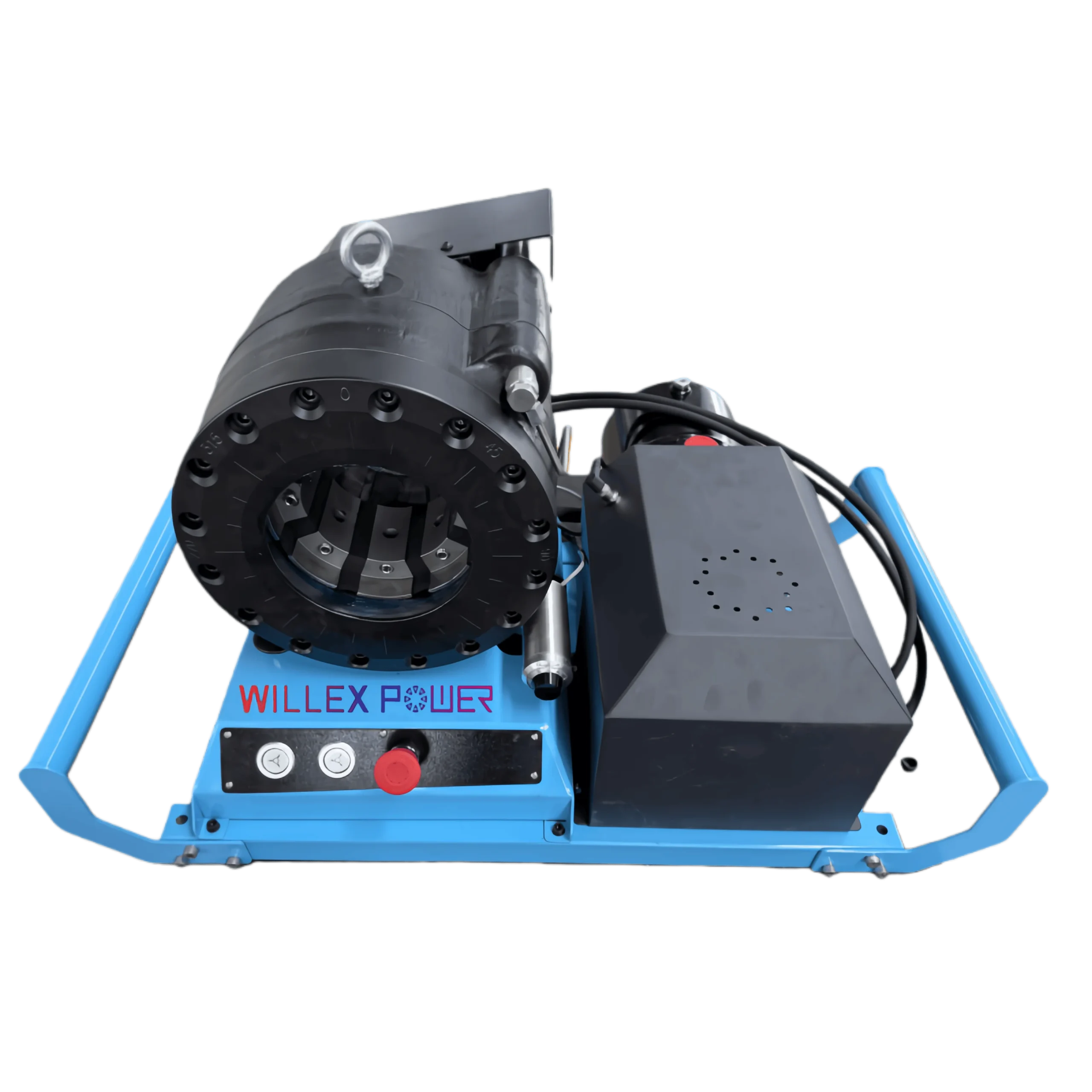
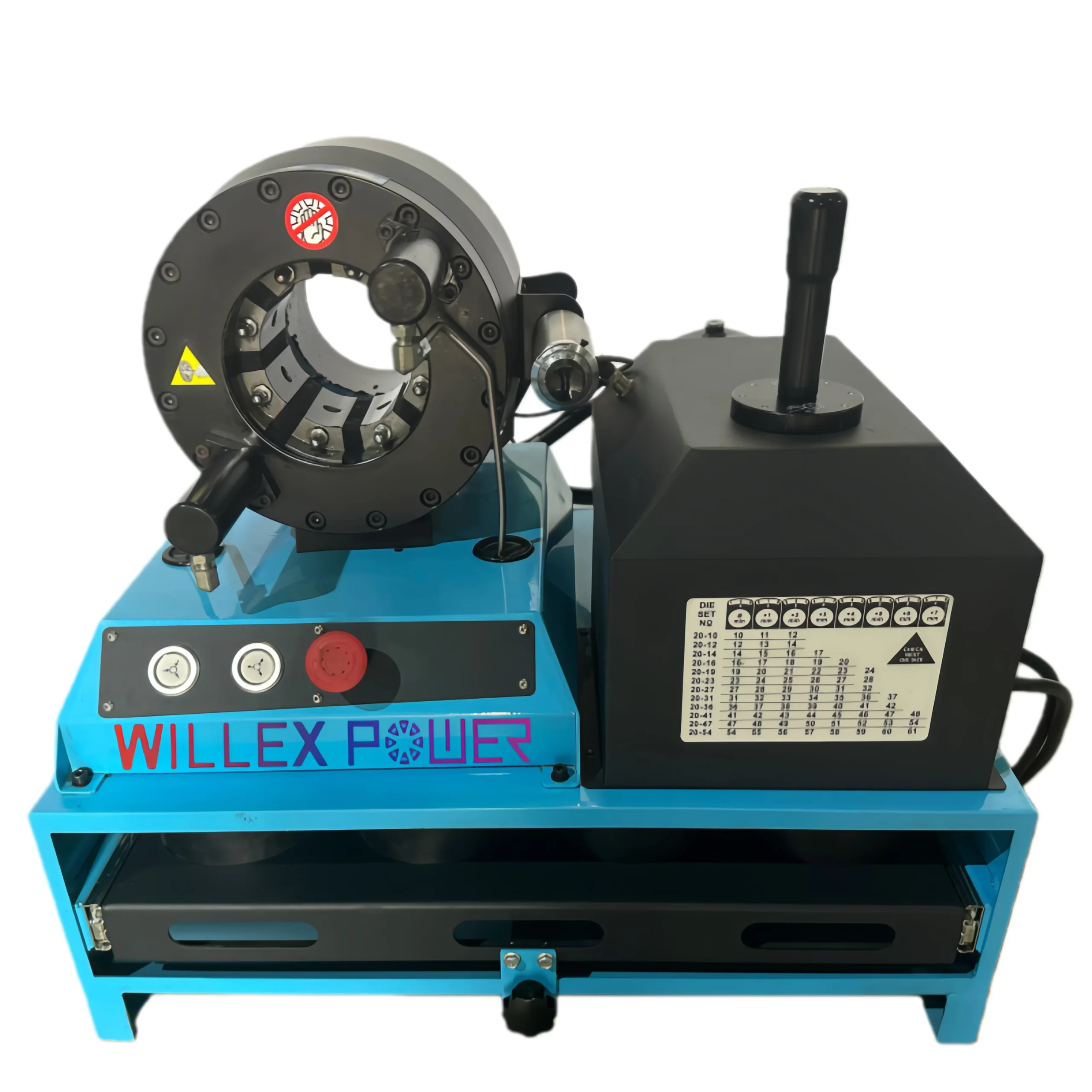
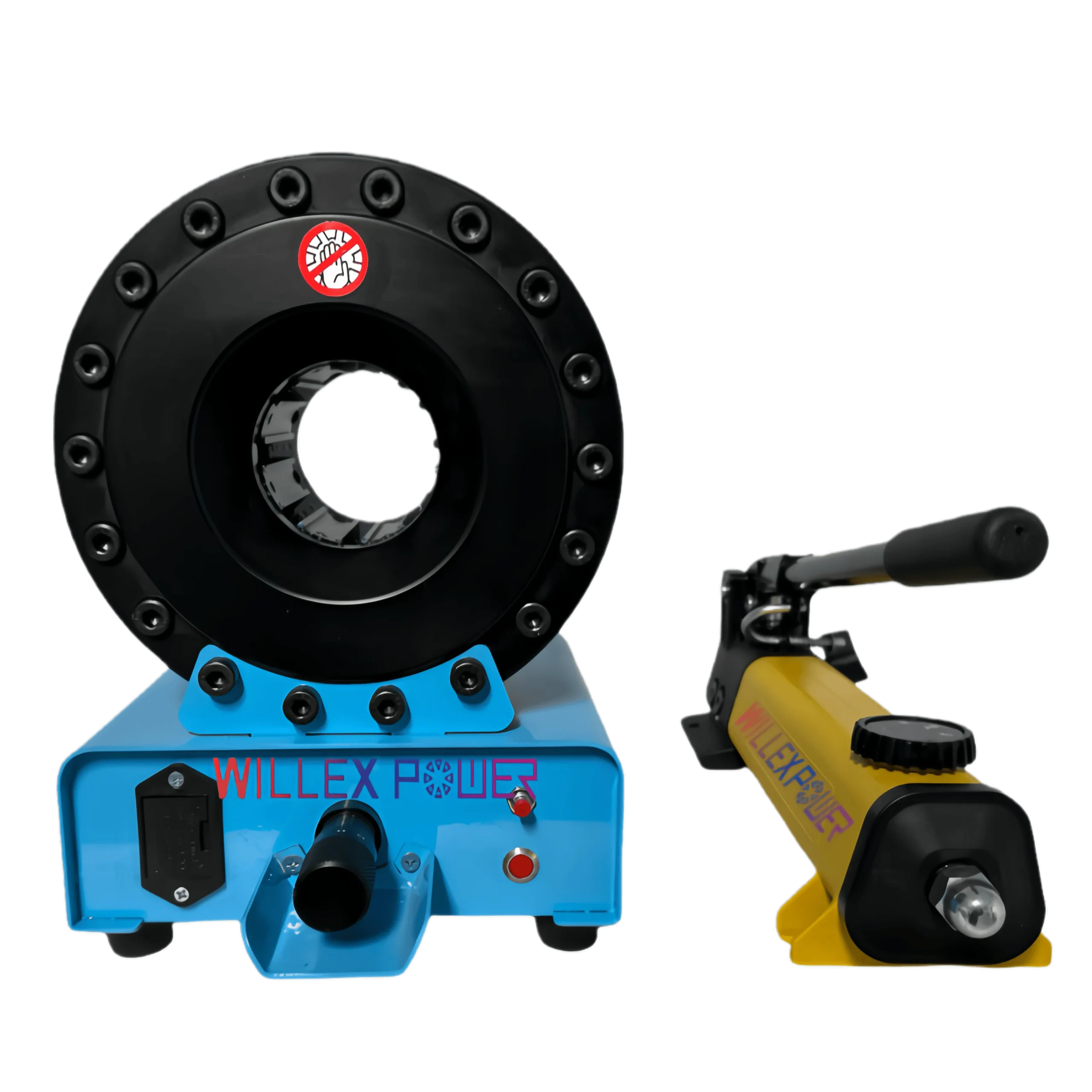
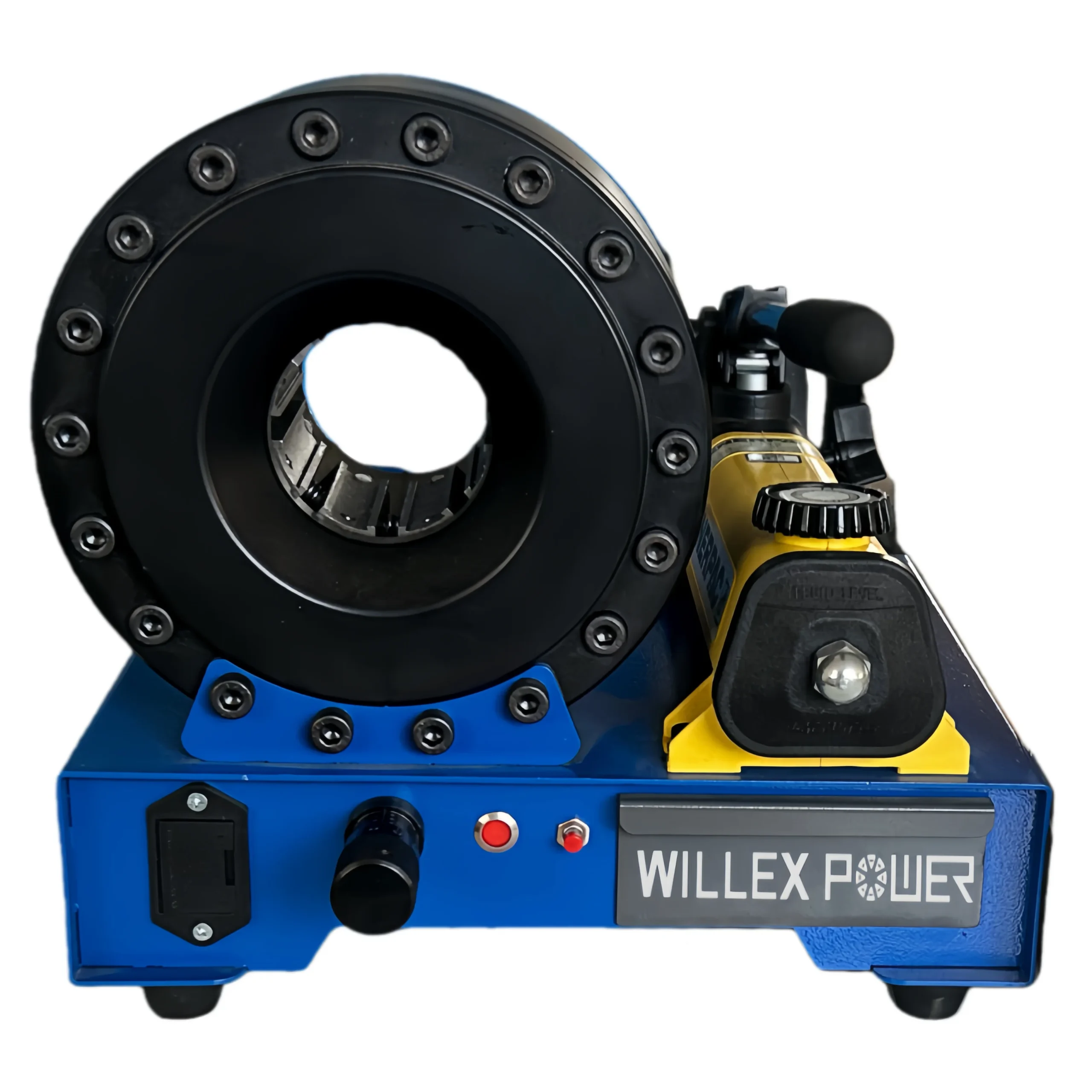
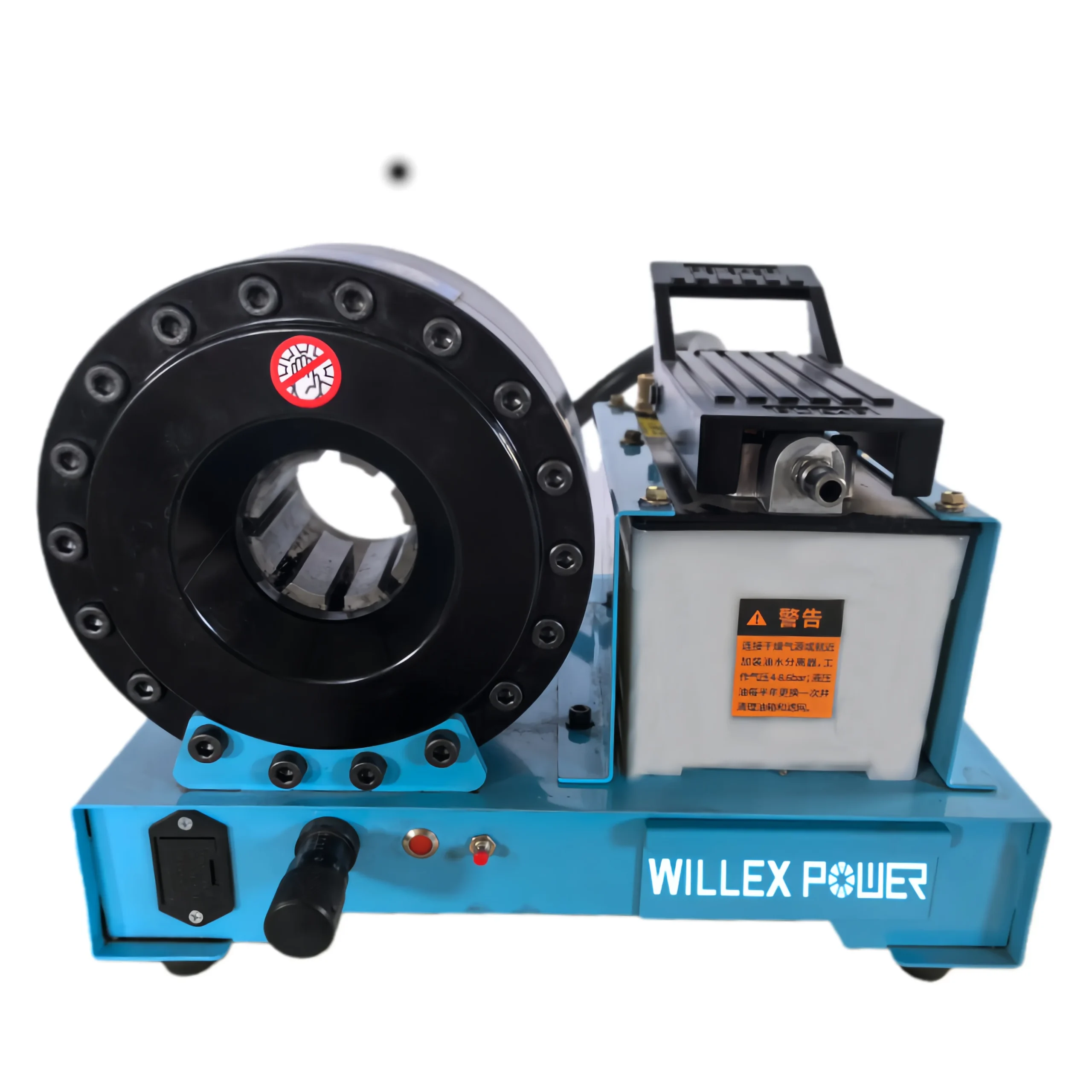
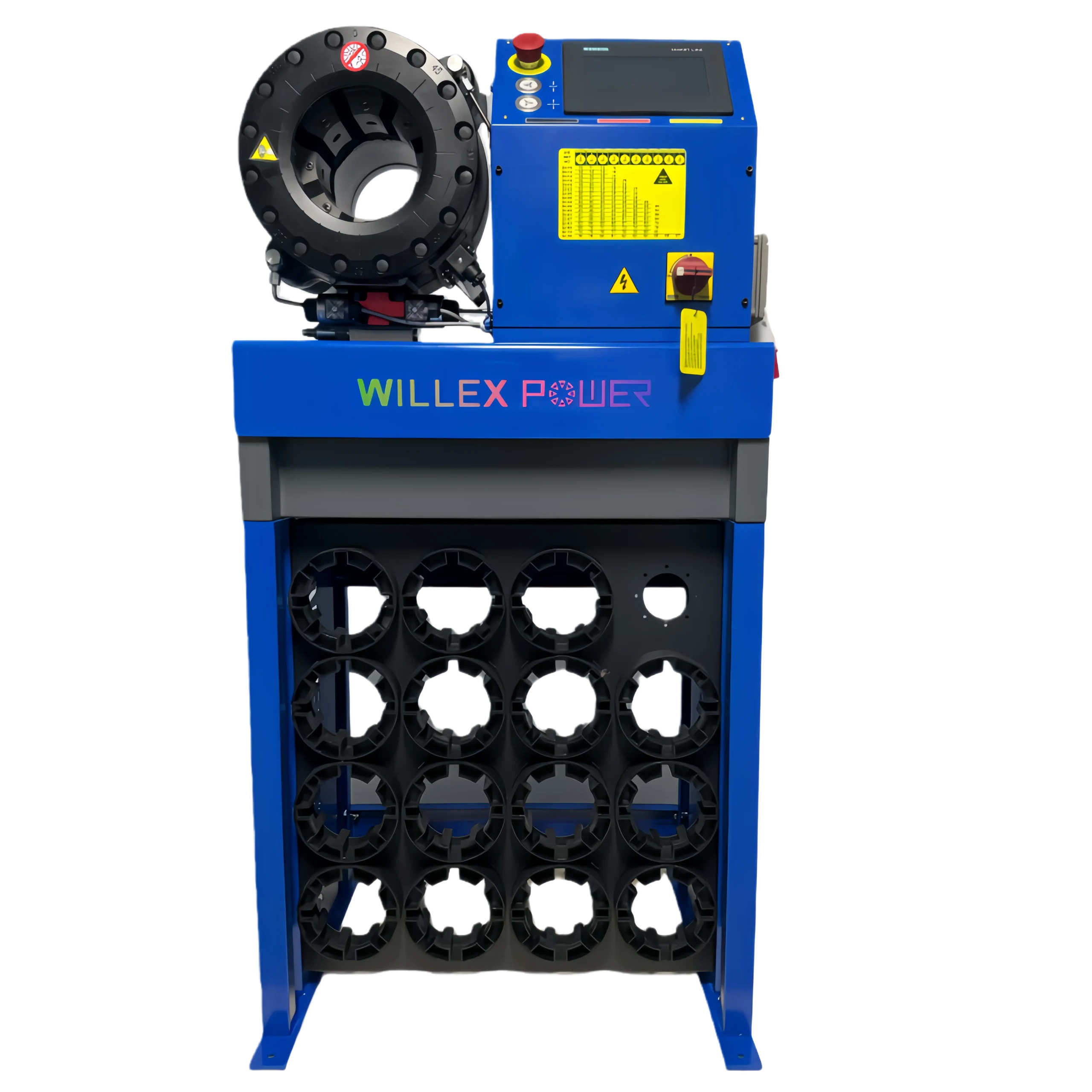
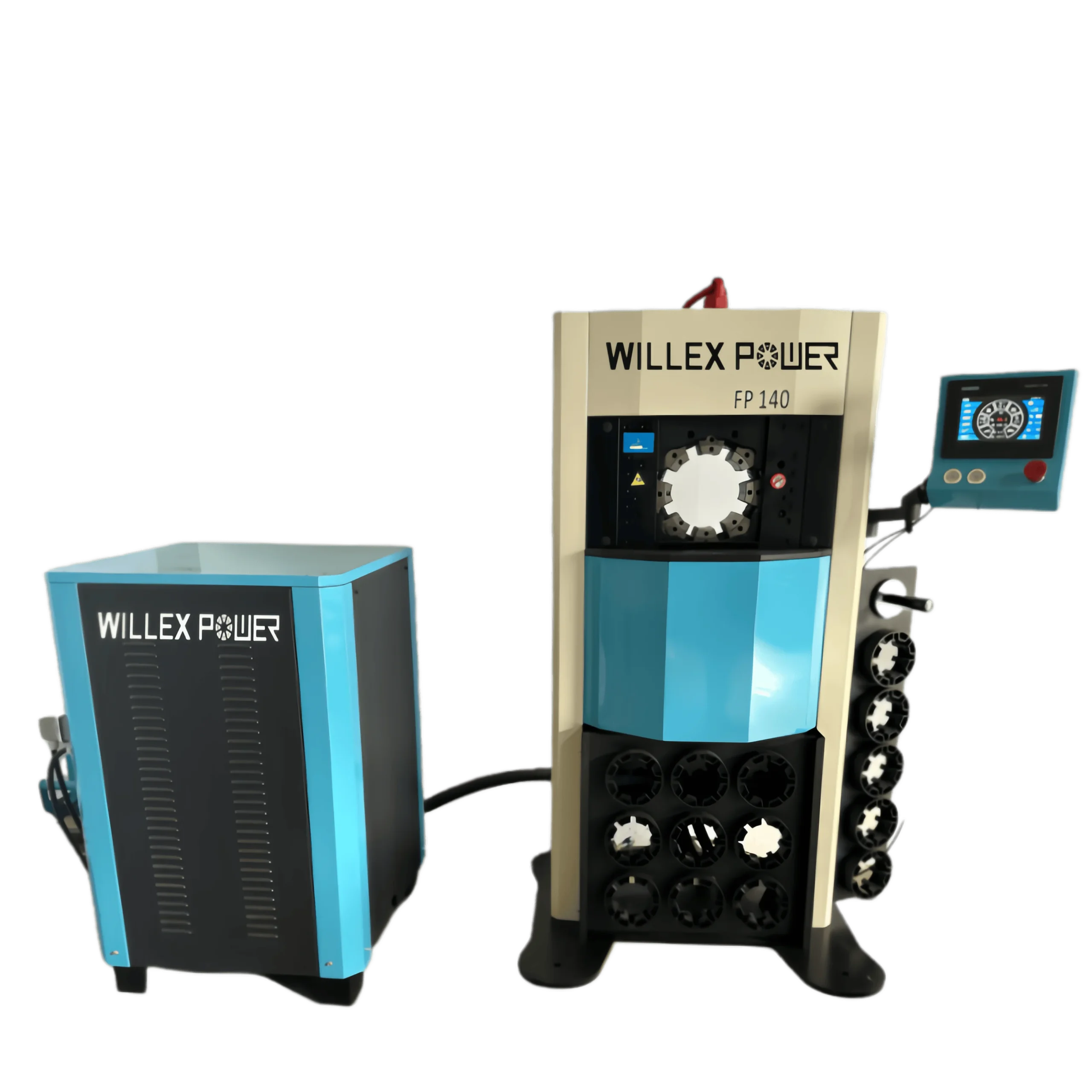
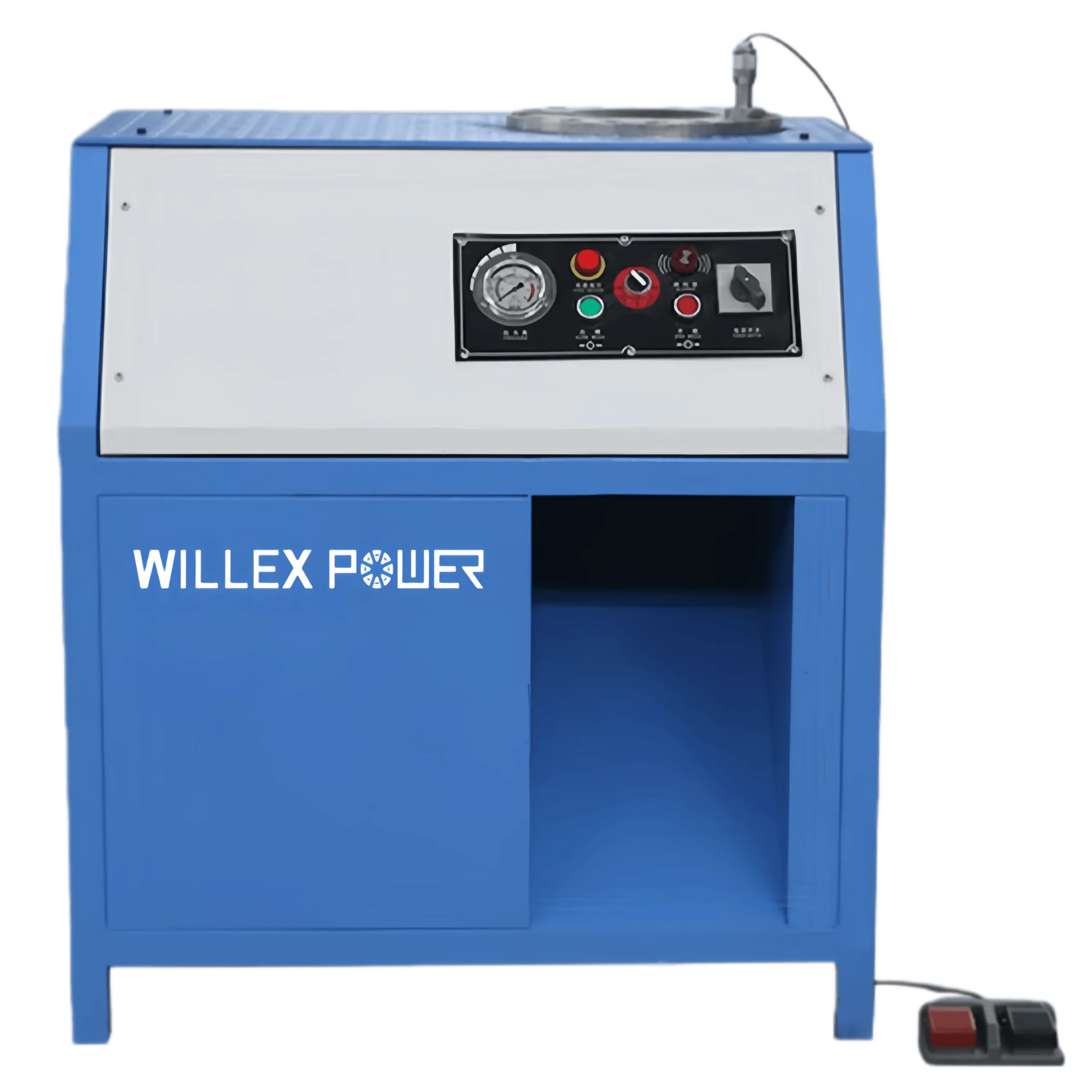
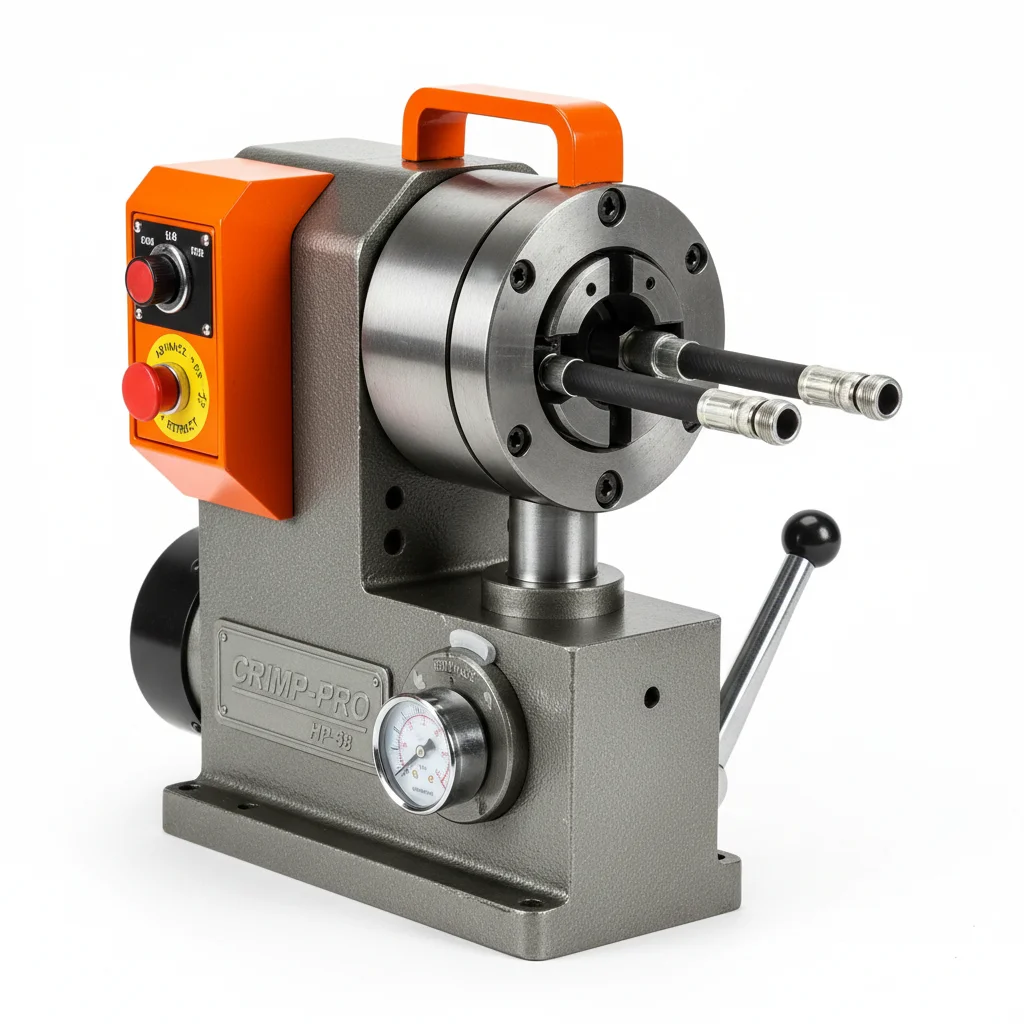
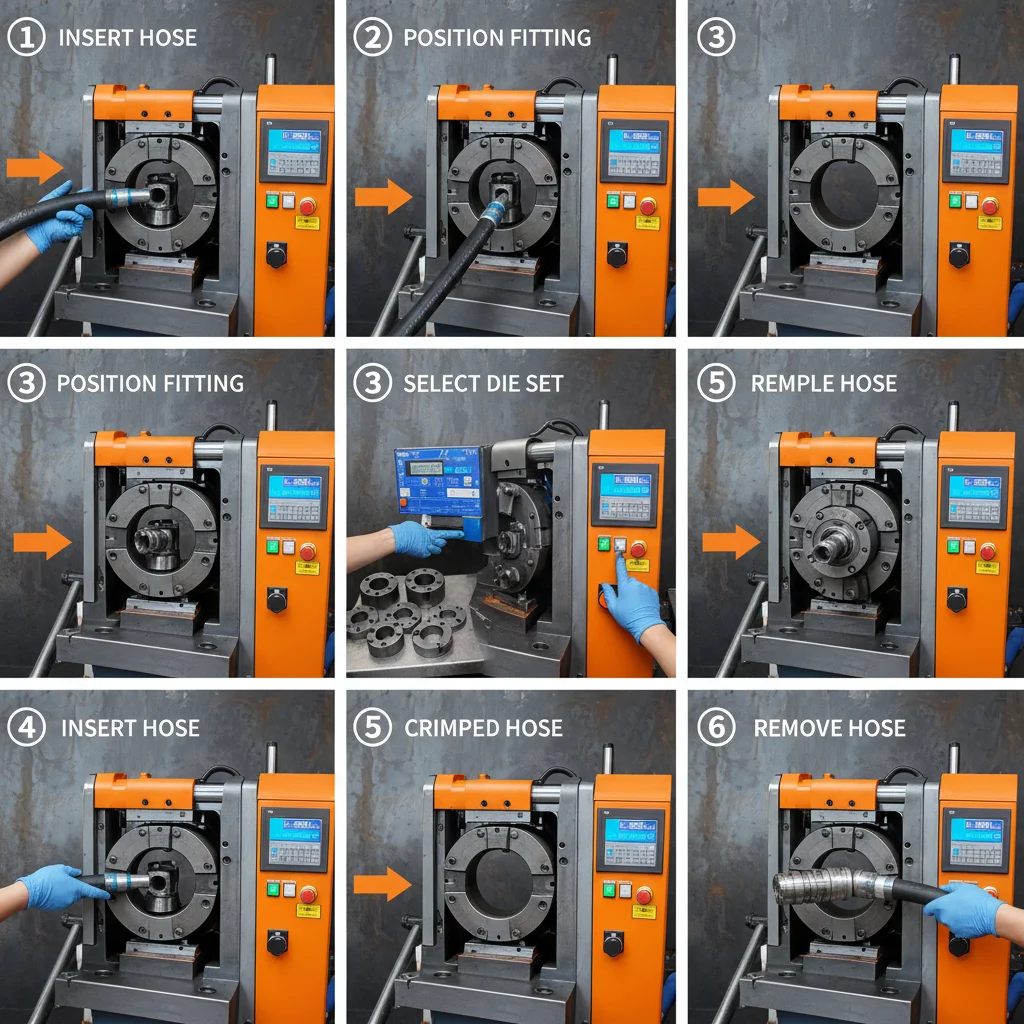
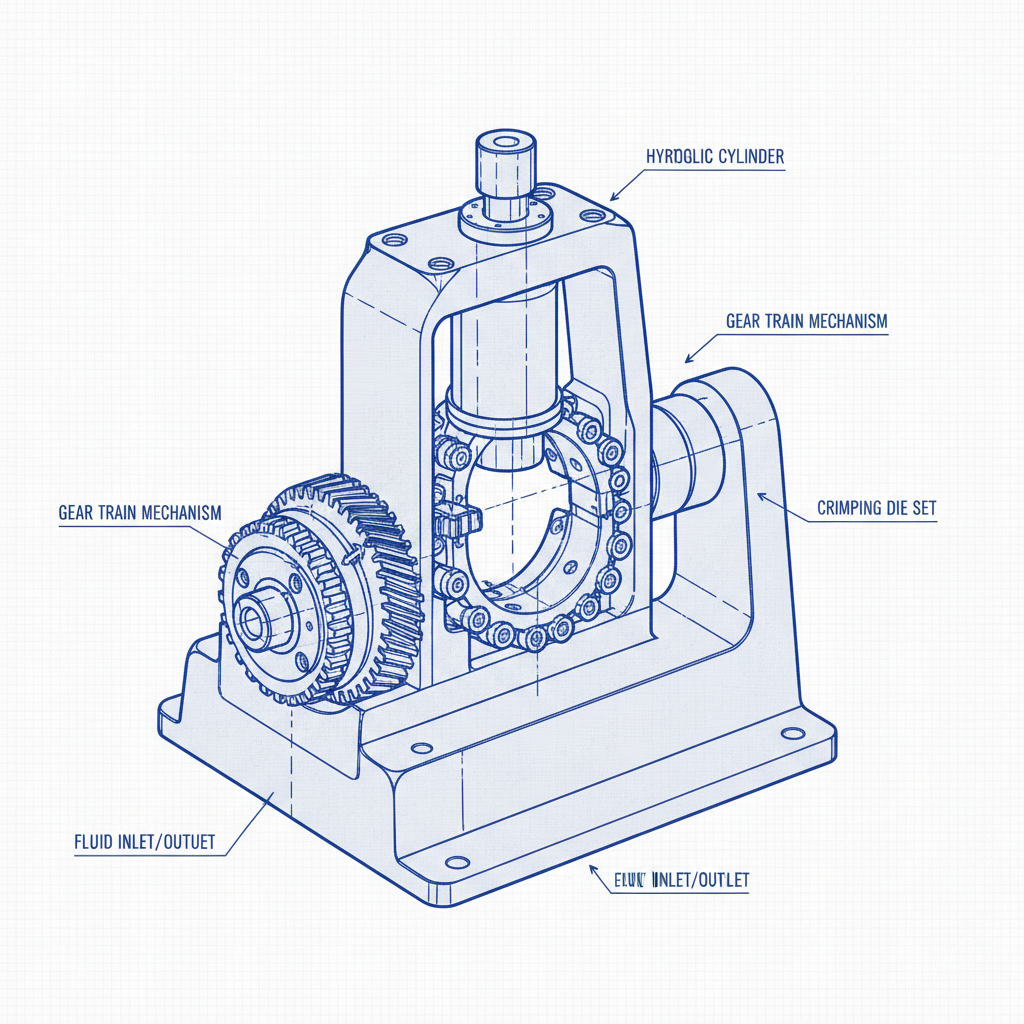
A hydraulic hose crimper is a specialized machine used to attach fittings to hydraulic hoses by compressing (crimping) a metal sleeve around the hose and fitting. Unlike using generic crimpers, a custom crimper is specifically calibrated and equipped with dies to create hose assemblies meeting precise specifications. This is crucial for high-pressure systems and critical applications. It’s important to understand the difference between a shop crimper (general use) and a custom machine designed for specific hose types and fitting combinations. Investing in a custom crimper means superior quality and reliability.
Key Benefit: Precise and repeatable crimps, reducing the risk of leaks and ensuring optimal hose performance under pressure.
Why Choose a Custom Hydraulic Hose Crimper?
While standard crimpers can handle basic hose assemblies, a custom machine provides significant advantages. It eliminates guesswork, ensuring that each crimp meets the manufacturer’s specifications. This is particularly important for hoses used in demanding applications like construction equipment, agricultural machinery, and industrial manufacturing. A properly crimped hose assembly will last longer, perform more reliably, and reduce the risk of catastrophic failure. Moreover, using a machine tailored to your specific hose and fitting needs increases production efficiency.
Benefits of Custom Crimping:
• Increased Hose Reliability
• Reduced Risk of Leaks
• Extended Hose Lifespan
• Improved System Performance
Custom Hydraulic Hose Crimper vs. Standard Crimpers: A Comparison
The choice between a custom and standard crimper hinges on your specific requirements. Standard crimpers are more versatile, handling a wider range of hose sizes and fittings, but often lack the precision needed for critical applications. A custom crimper excels in repeatability and accuracy, but may be limited to a specific range of hose types. Understanding your volume, hose specifications, and application demands is crucial for making the right decision. Willex Crimper specializes in building custom solutions to fit these needs.
Applications of Custom Hydraulic Hose Crimpers
Custom hose crimpers are essential in a diverse range of industries. These include manufacturing (automotive, aerospace), construction equipment repair, agricultural machinery maintenance, oil and gas, and marine applications. Any sector requiring consistently reliable, high-pressure hydraulic connections benefits from the precision of a custom crimper. They are vital for creating hose assemblies that can withstand demanding operating conditions and ensure system safety.
Selecting the Right Custom Hydraulic Hose Crimper
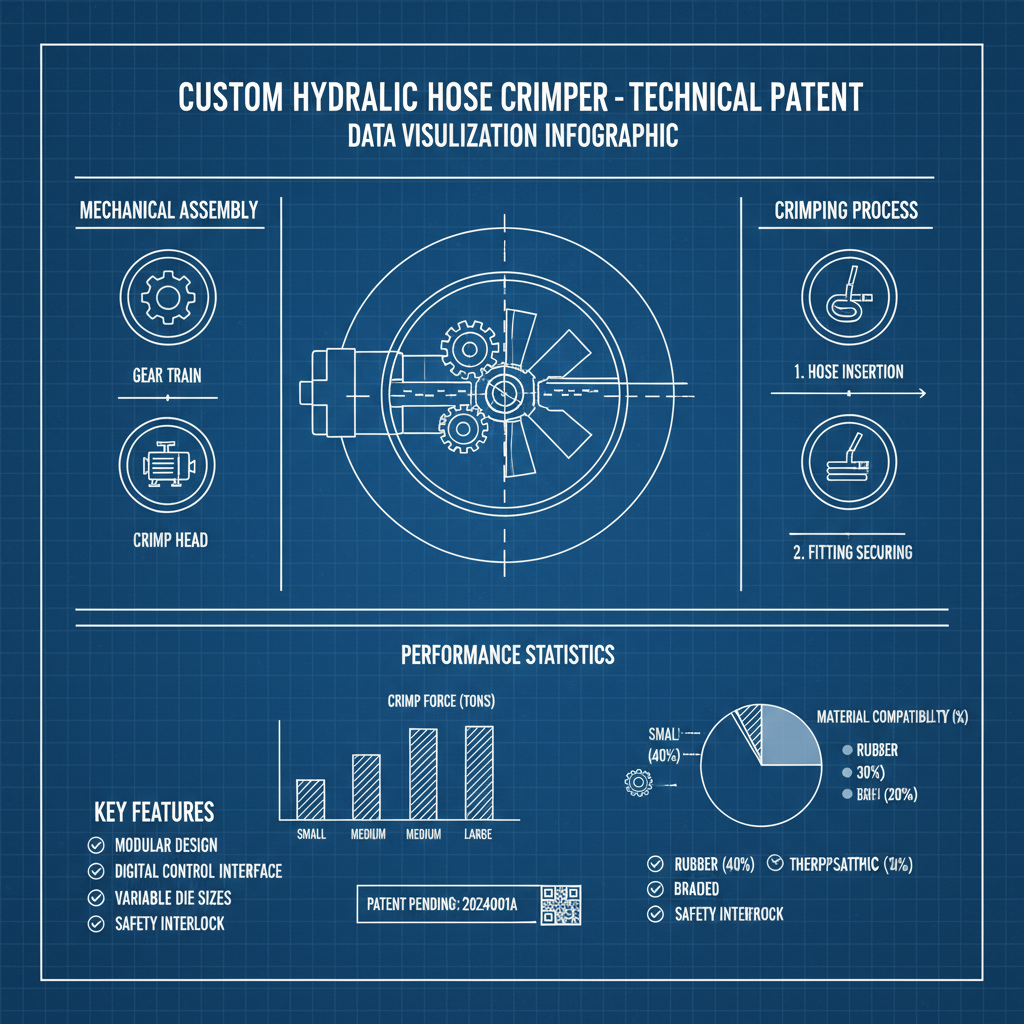
Choosing the right custom crimper requires careful consideration of several factors, including hose size range, fitting types, production volume, and budget. Willex Crimper offers consultation services to help you assess your needs and select the optimal machine. Key specifications to consider include the maximum hose diameter, the crimping force, and the availability of interchangeable dies. Prioritize a machine that offers flexibility and scalability to accommodate future changes in your production requirements.
Conclusion: Invest in Quality and Reliability
Investing in a custom hydraulic hose crimper is a strategic decision that pays dividends in the long run. By ensuring accurate, reliable hose assemblies, you can minimize downtime, reduce maintenance costs, and enhance the safety of your operations. Don’t compromise on quality – choose a custom crimper that meets your specific needs and delivers lasting performance.
Frequently Asked Questions (FAQs)
What is the typical lifespan of a hydraulic hose crimper?
The lifespan of a hydraulic hose crimper varies based on usage frequency, maintenance practices, and the quality of the machine. A well-maintained, high-quality crimper like those offered by Willex Crimper can reliably operate for 10-15 years or even longer. Regular lubrication, inspection of hydraulic components, and proper die storage are essential for maximizing lifespan. Ignoring maintenance will significantly reduce the machine’s longevity.
What types of hose and fitting materials can a custom crimper handle?
Custom crimpers are designed to handle a wide range of hose materials, including rubber, thermoplastic, and PTFE. They also accommodate various fitting materials, such as steel, stainless steel, aluminum, and brass. However, it's crucial to specify the hose and fitting materials when ordering a custom machine to ensure the dies are appropriately designed for optimal crimping. A versatile crimper will have interchangeable dies to accommodate different combinations.
What safety precautions should be taken when operating a hydraulic hose crimper?
Safety is paramount when operating a hydraulic hose crimper. Always wear appropriate personal protective equipment (PPE), including safety glasses, gloves, and hearing protection. Ensure the machine is properly grounded and that all safety guards are in place. Never operate the machine without proper training. Regularly inspect the hydraulic system for leaks and address any issues promptly. Follow the manufacturer’s safety guidelines diligently.
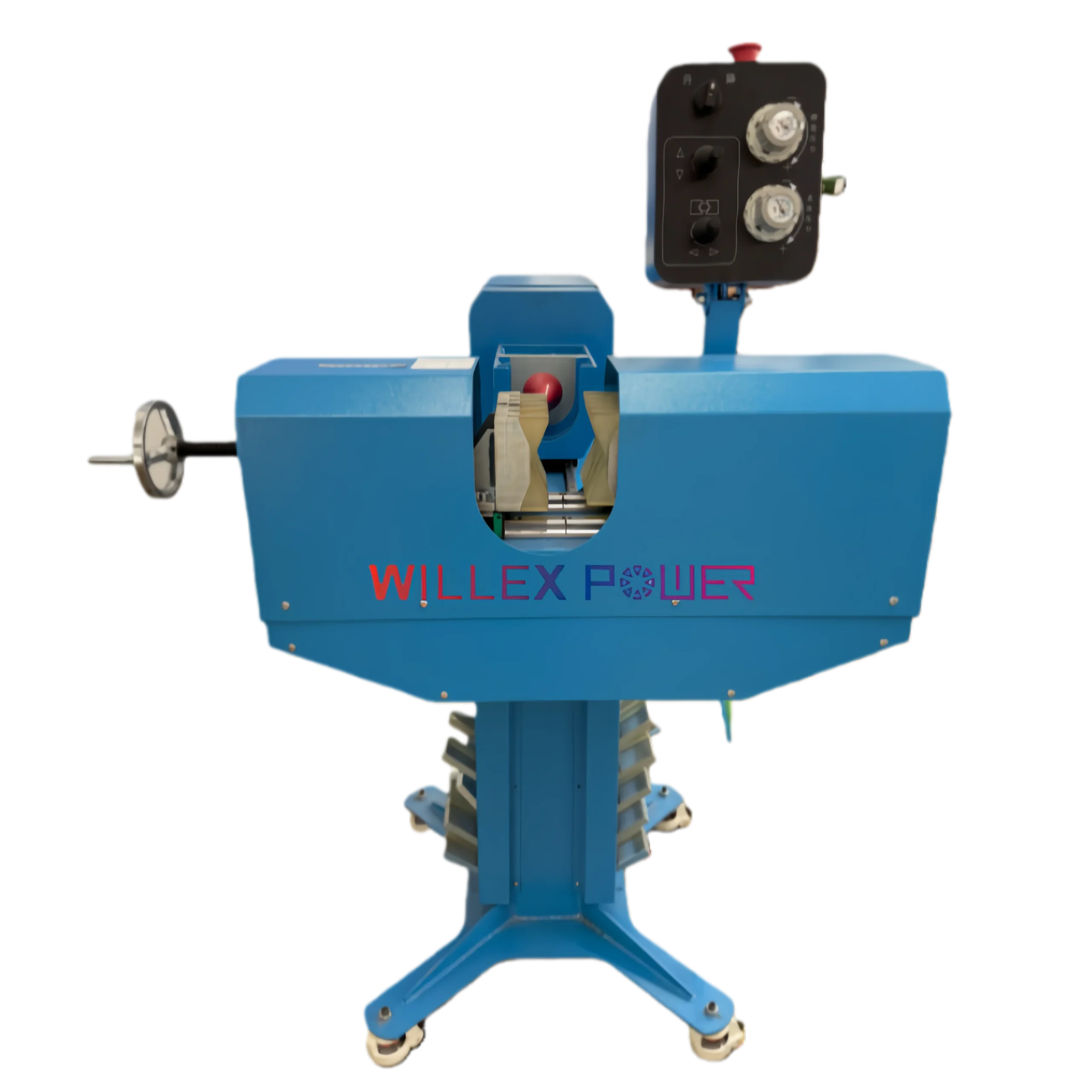
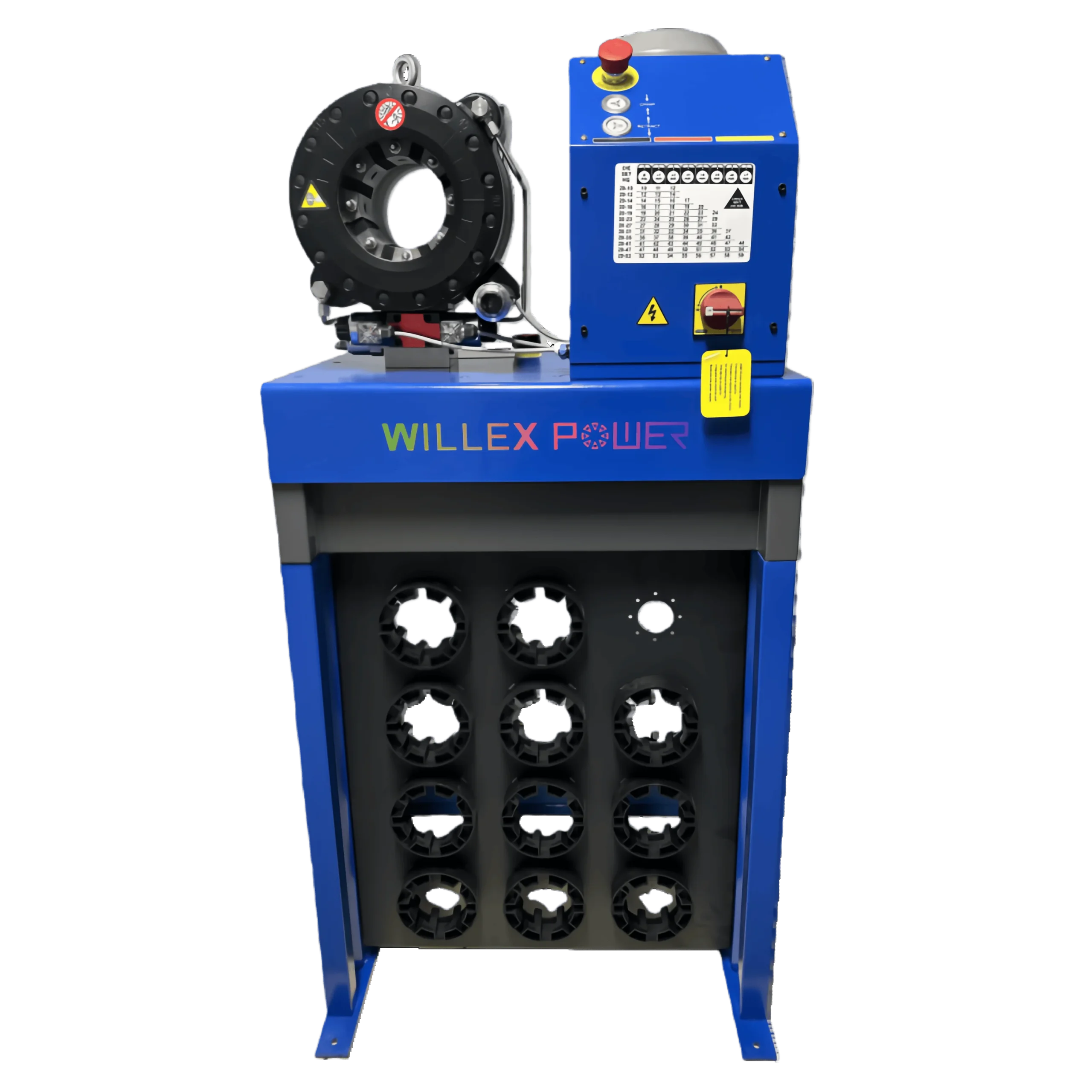
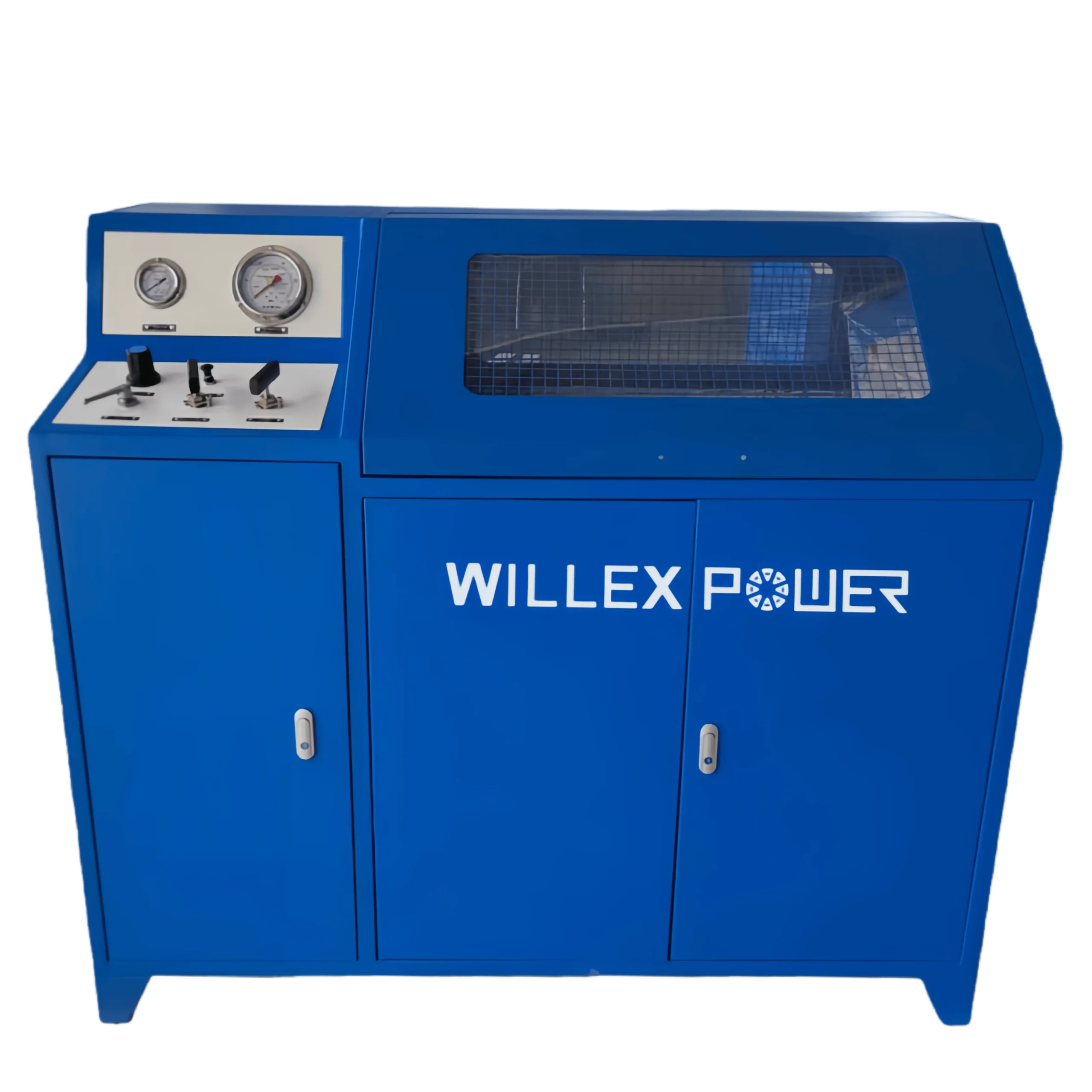
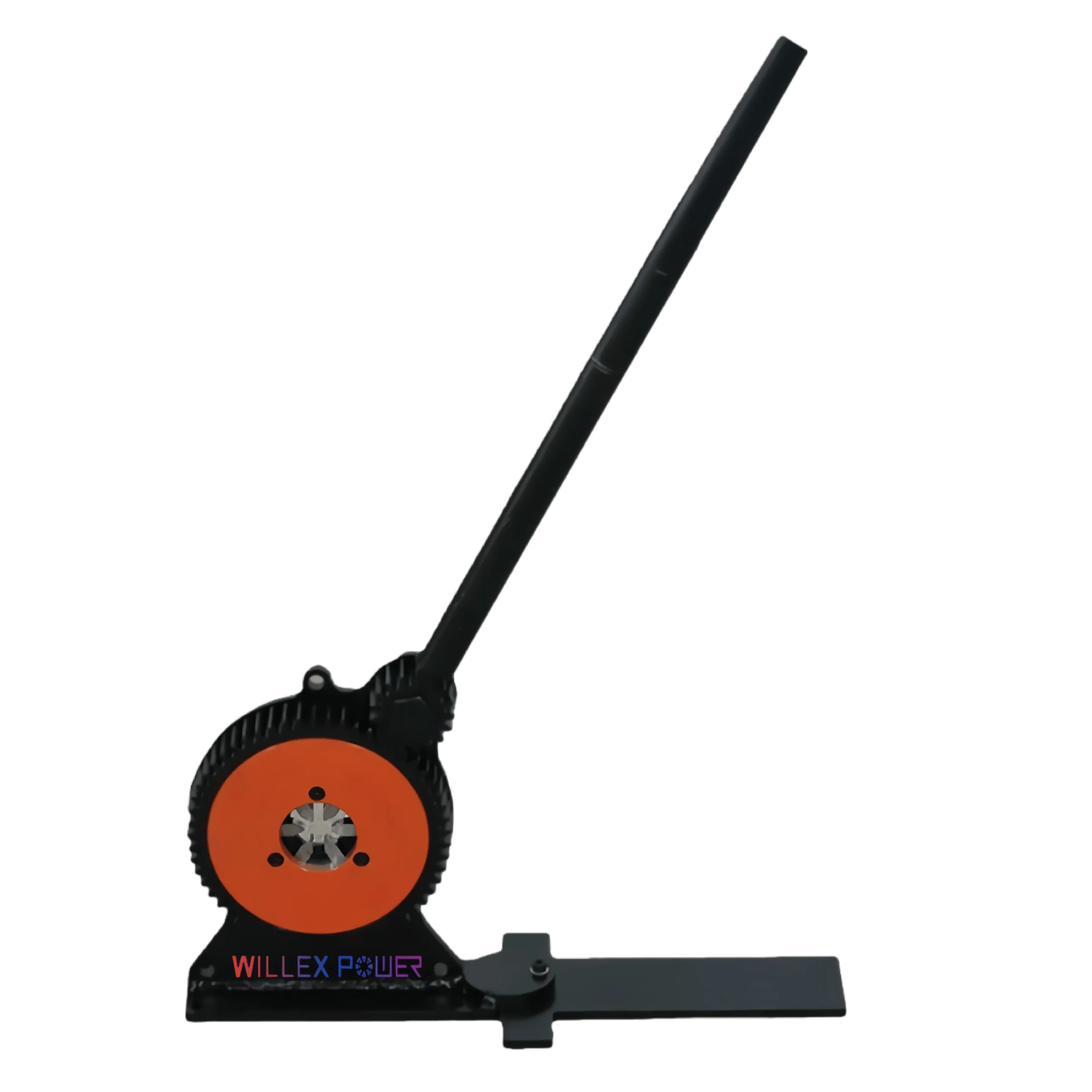
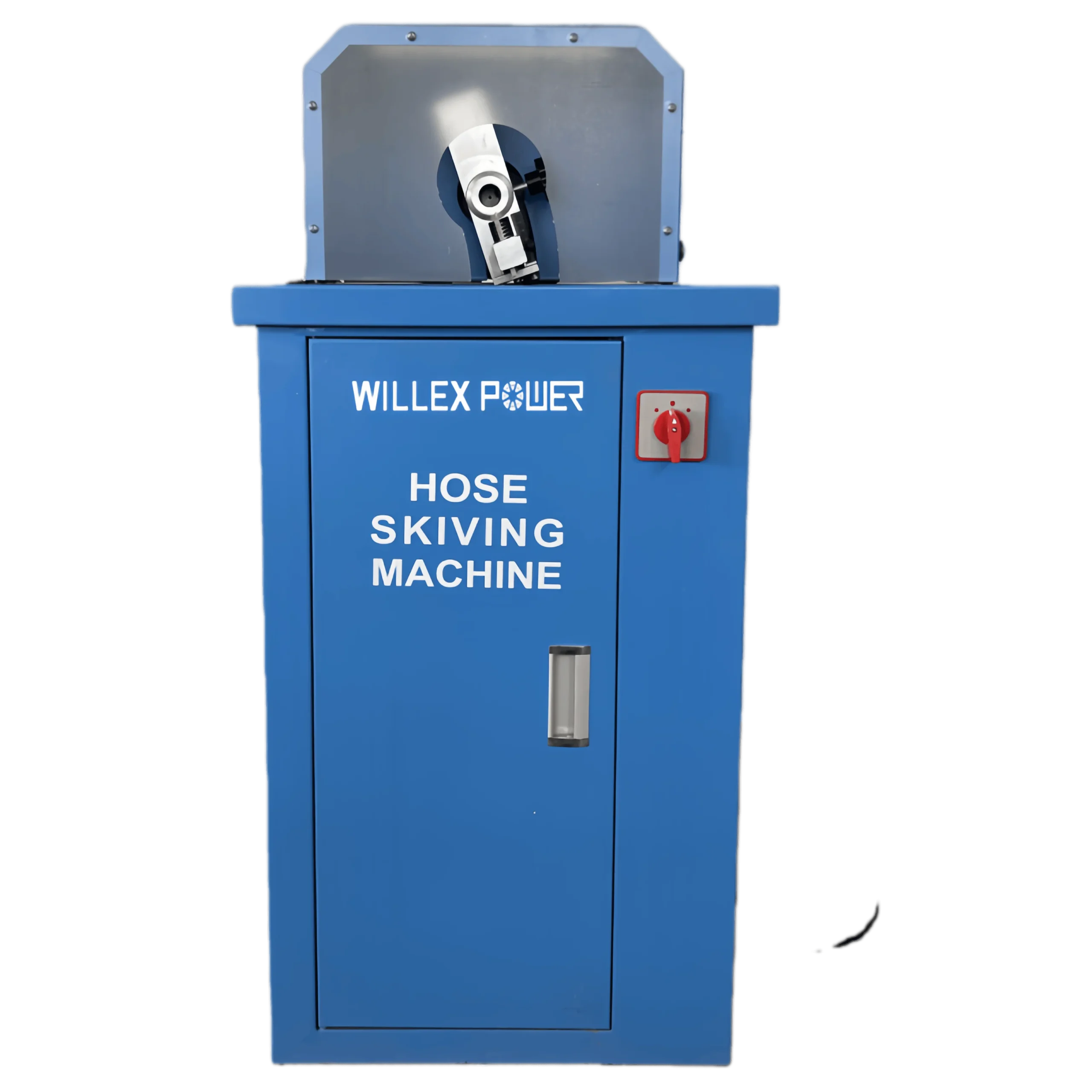
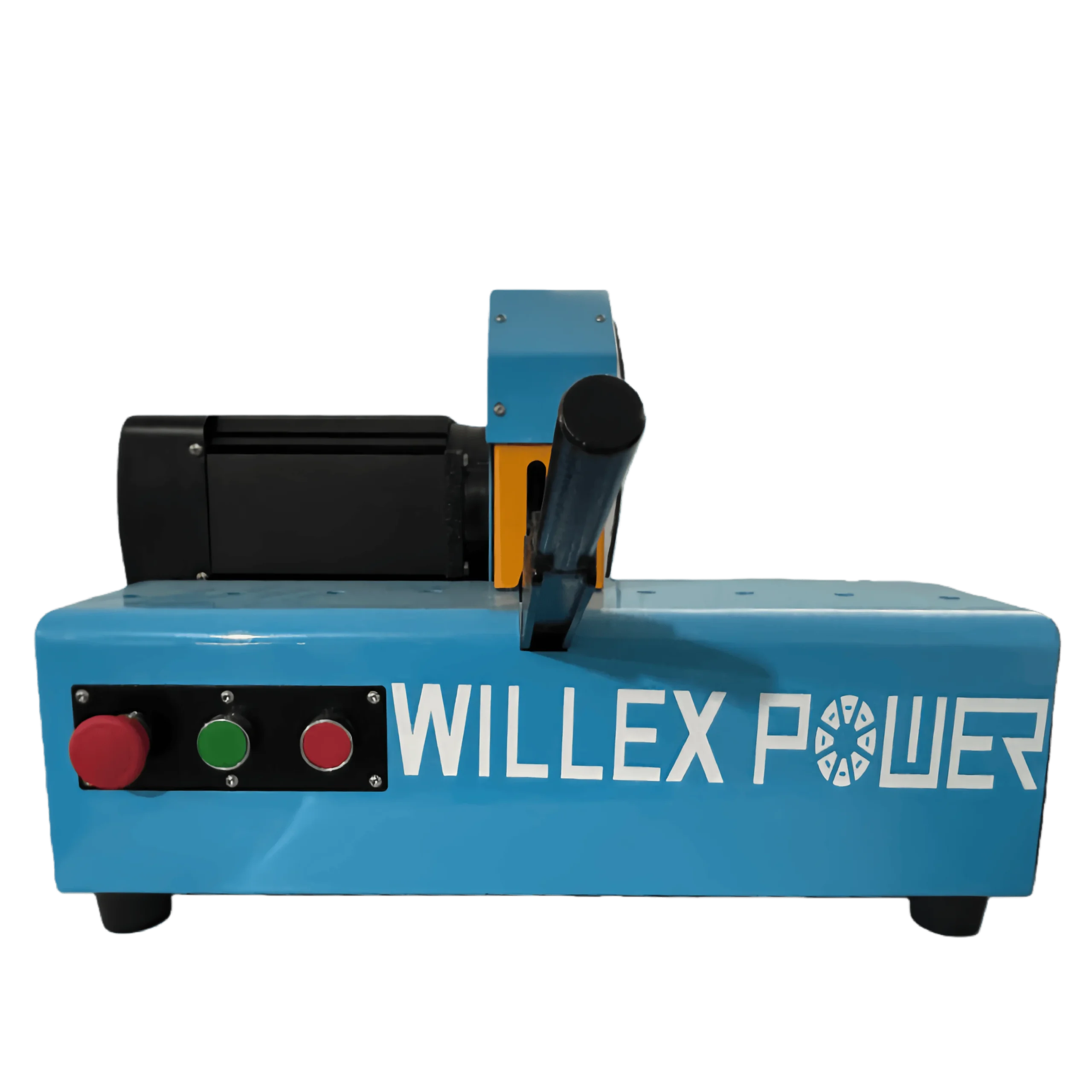
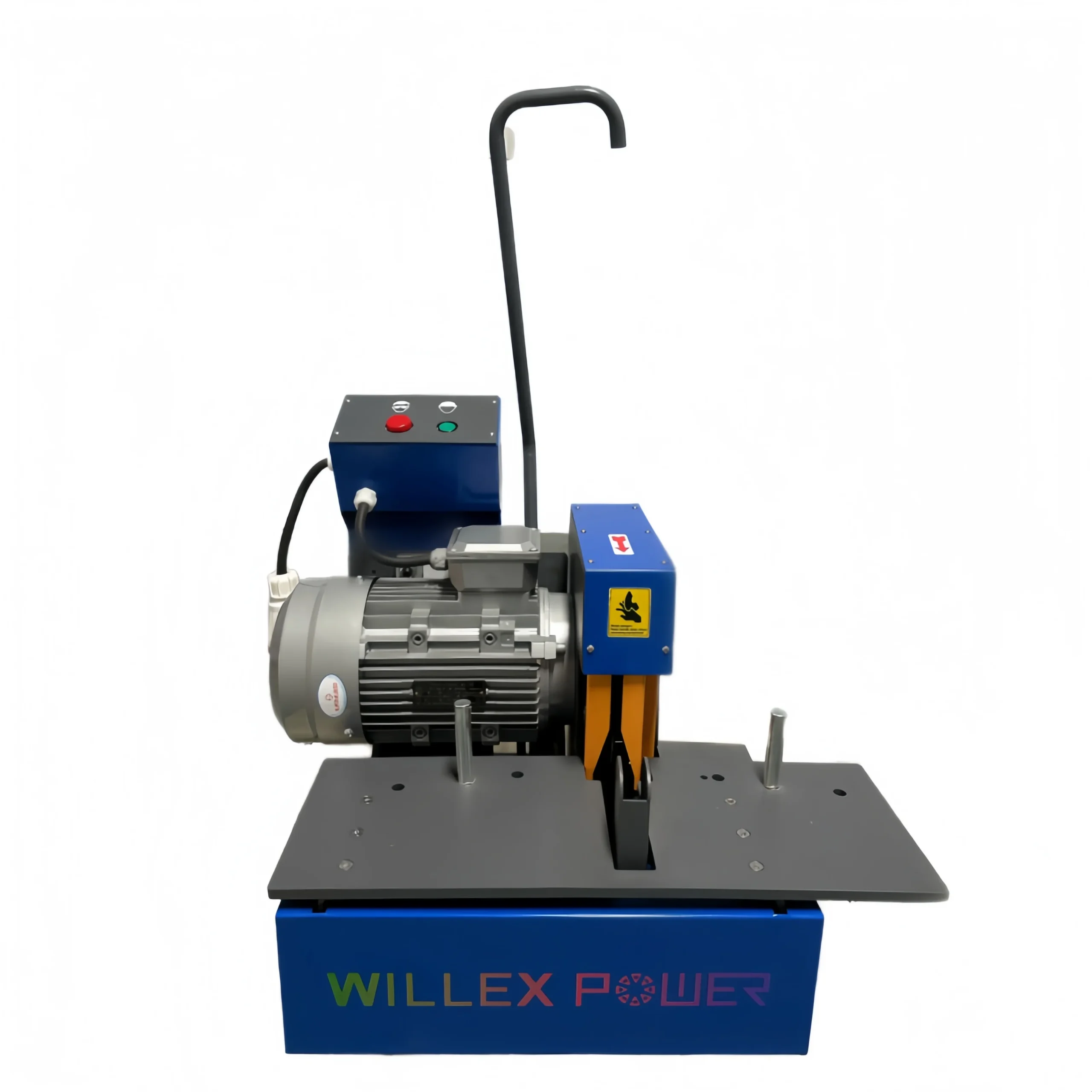
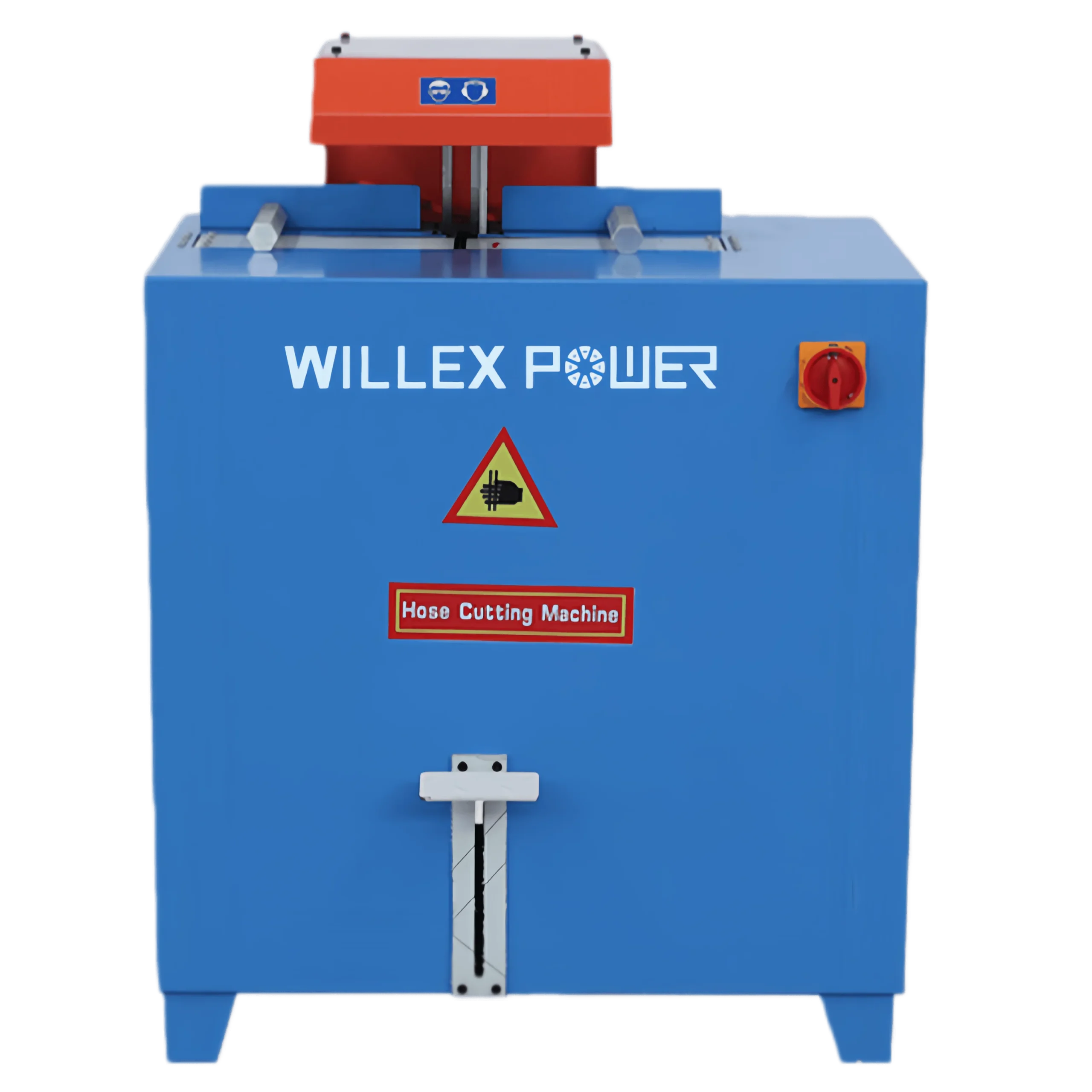
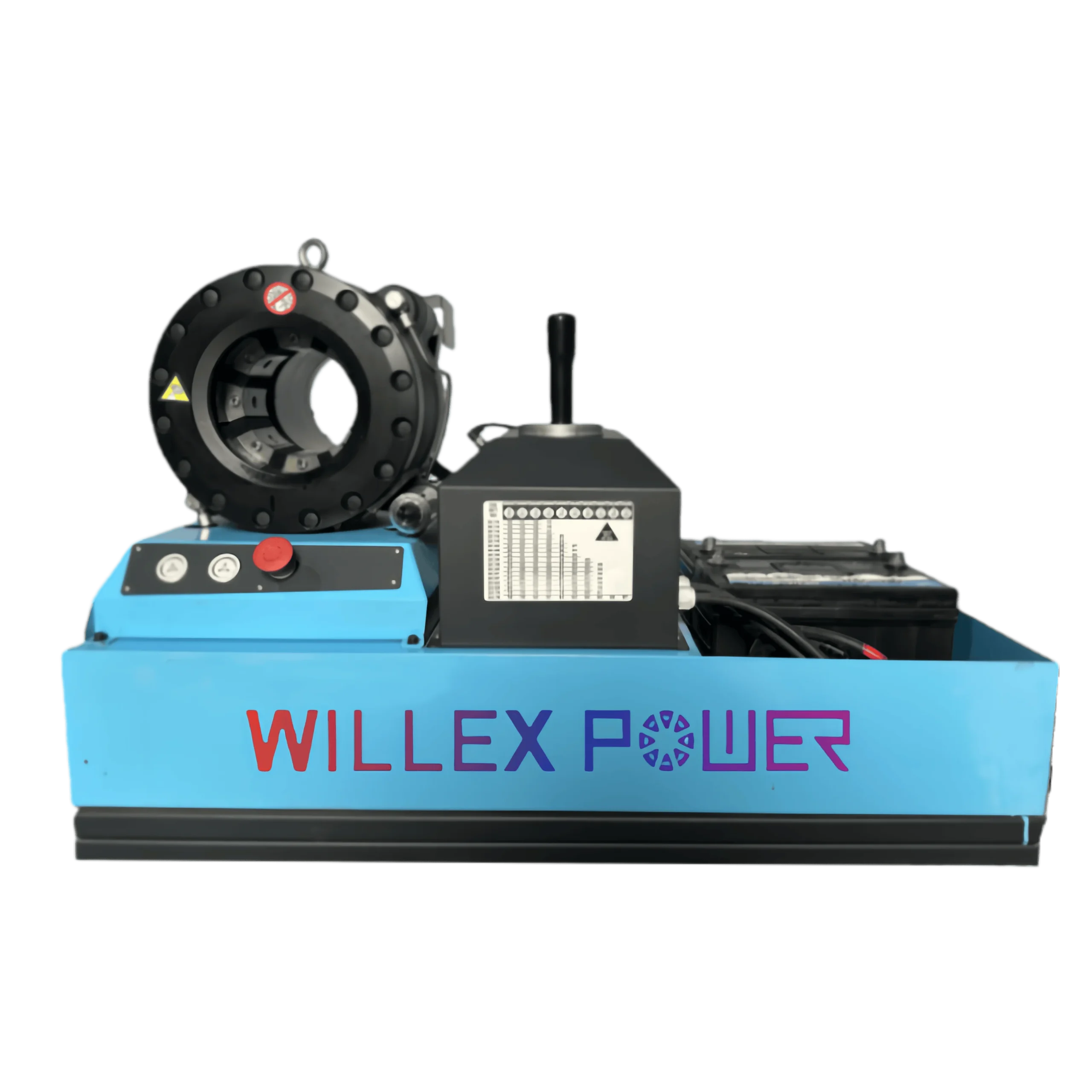
-20260121013914-scaled.webp "WILLEX POWER DZW-A10-1 Hose Crimping Machine")
-20260121014427-scaled.webp "Hose Crimping Machine DZW-A10")
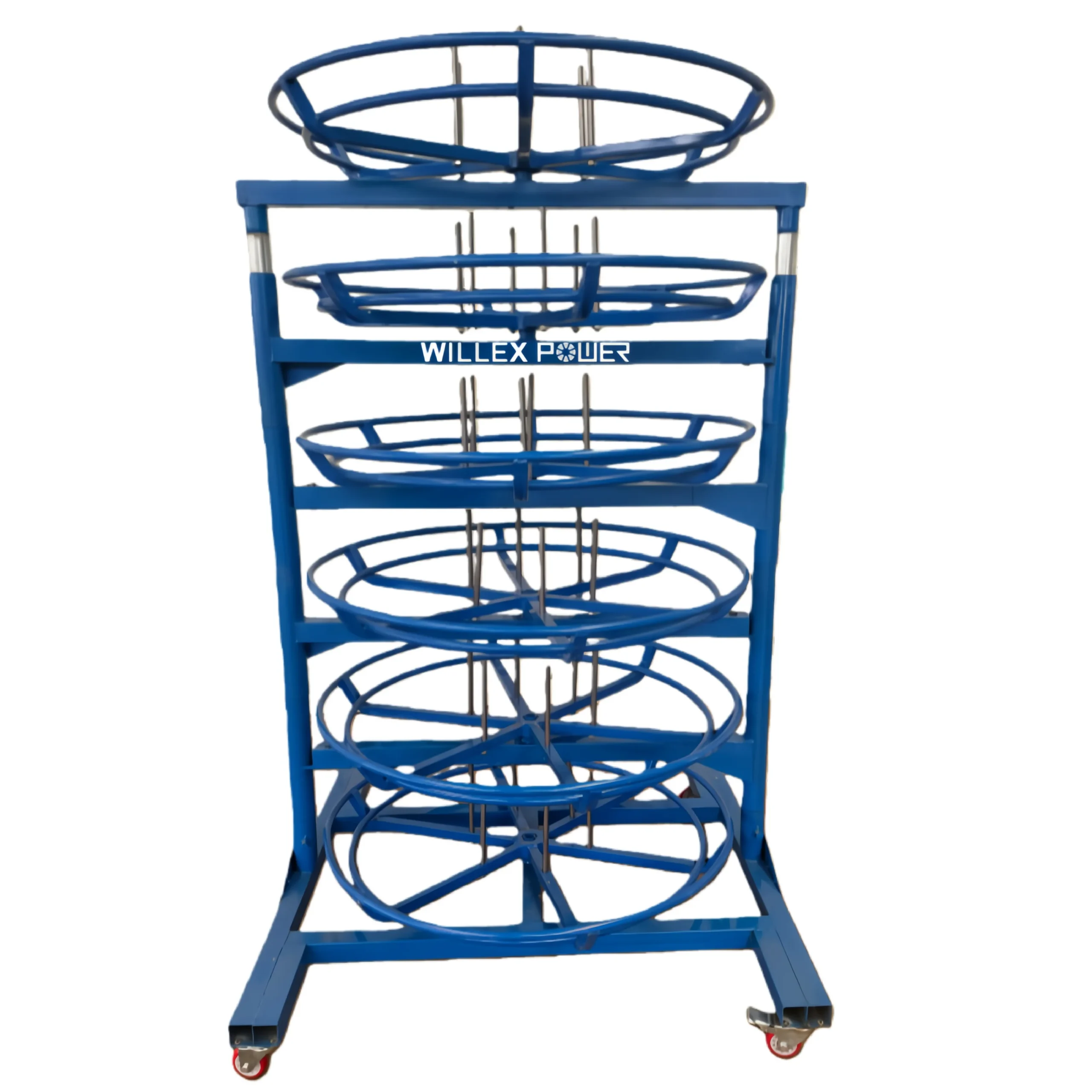
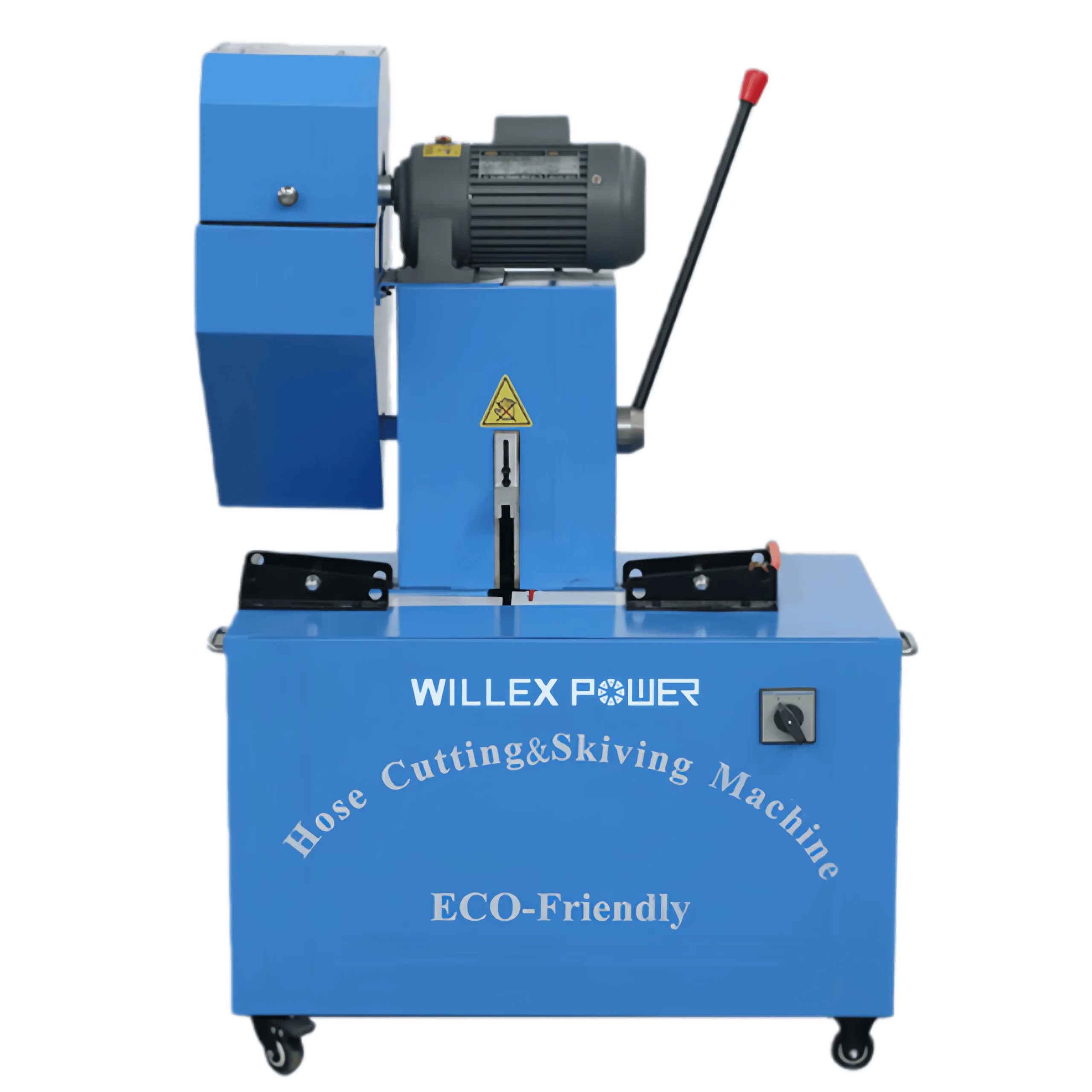
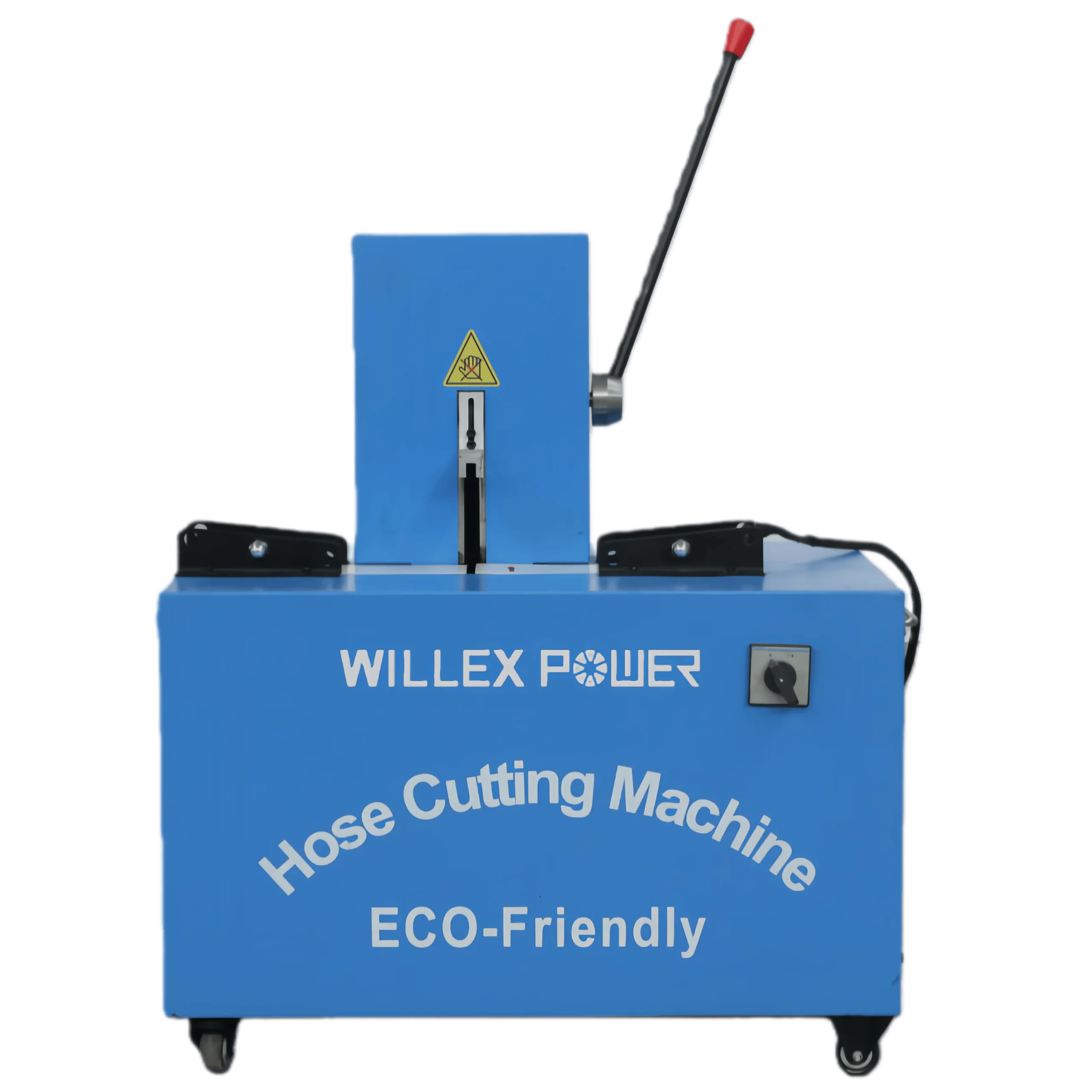
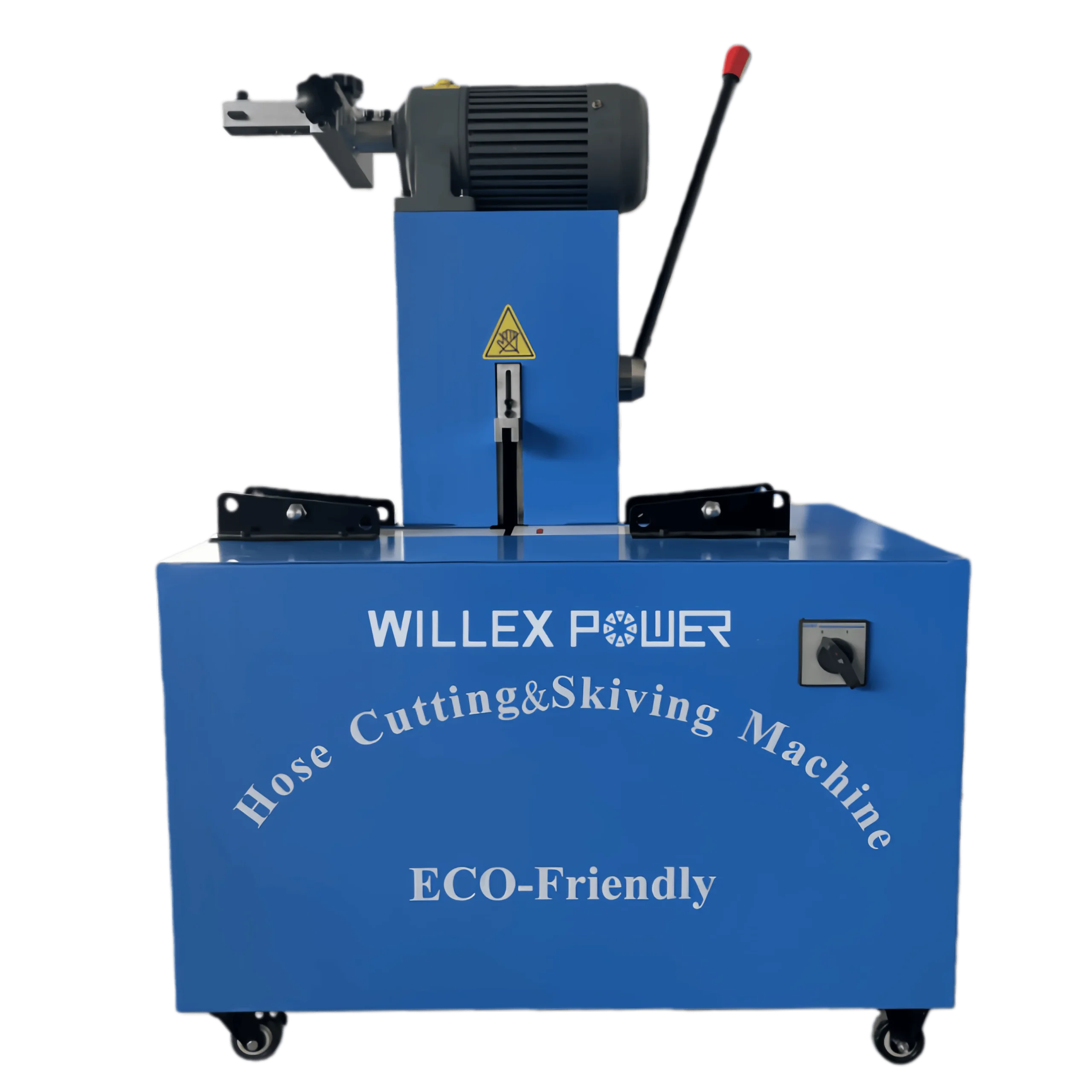
-20260121015636-scaled.webp "Hose Skiving Machine DZW-51BJ-M")
-20260121015753-scaled.webp "Hose Skiving Machine DZW-51BJ-C")
-20260121020311-scaled.webp "Hose Skiving Machine DZW-51BJ-E")