CE Certification Hydraulic Hose Pressure Testing Machine A Comprehensive Guide
CE Certification Hydraulic Hose Pressure Testing Machine: A Comprehensive Guide
Ensuring the safety and reliability of hydraulic hoses is paramount in numerous industries. A CE certified hydraulic hose pressure testing machine is essential for verifying that hoses can withstand operational pressures without failure. This article provides a detailed overview of these machines, their importance, features, applications, and how to choose the right one for your needs. Investing in a quality testing machine is a crucial step towards preventing costly downtime, accidents, and ensuring regulatory compliance.
Understanding CE Certification for Hydraulic Hose Testing
CE marking signifies that a product meets European health, safety, and environmental protection standards. For a hydraulic hose pressure testing machine, CE certification confirms that the machine is designed and manufactured to ensure safe operation and accurate results. This certification is often legally required for selling and using such equipment within the European Economic Area. Compliance involves rigorous testing and documentation, demonstrating adherence to relevant directives and standards, such as machinery safety directives. Choosing a CE-certified machine provides peace of mind and guarantees a certain level of quality and safety.
Key Benefits of CE Certification: Guarantees adherence to European safety standards, enables legal sale and use within the EEA, and provides assurance of product quality and reliability.
Key Features of a Hydraulic Hose Pressure Testing Machine
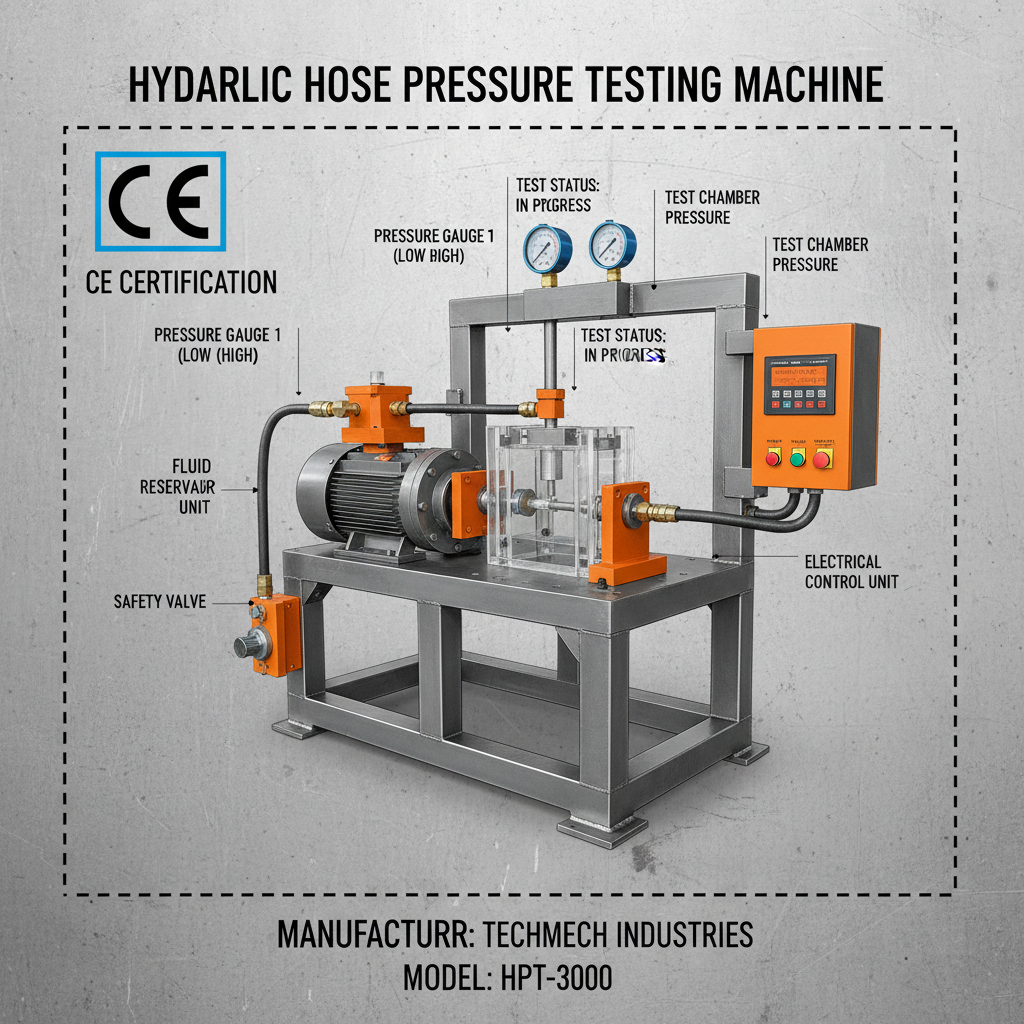
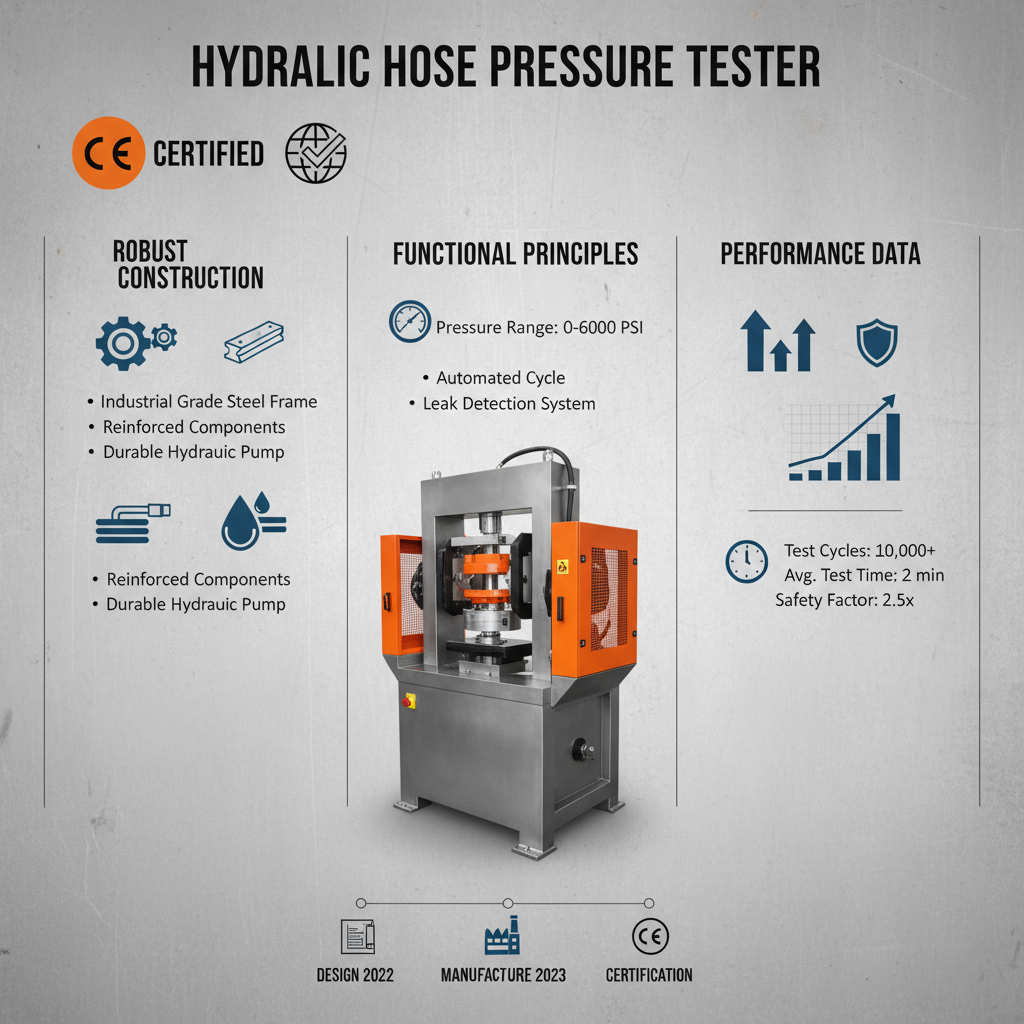
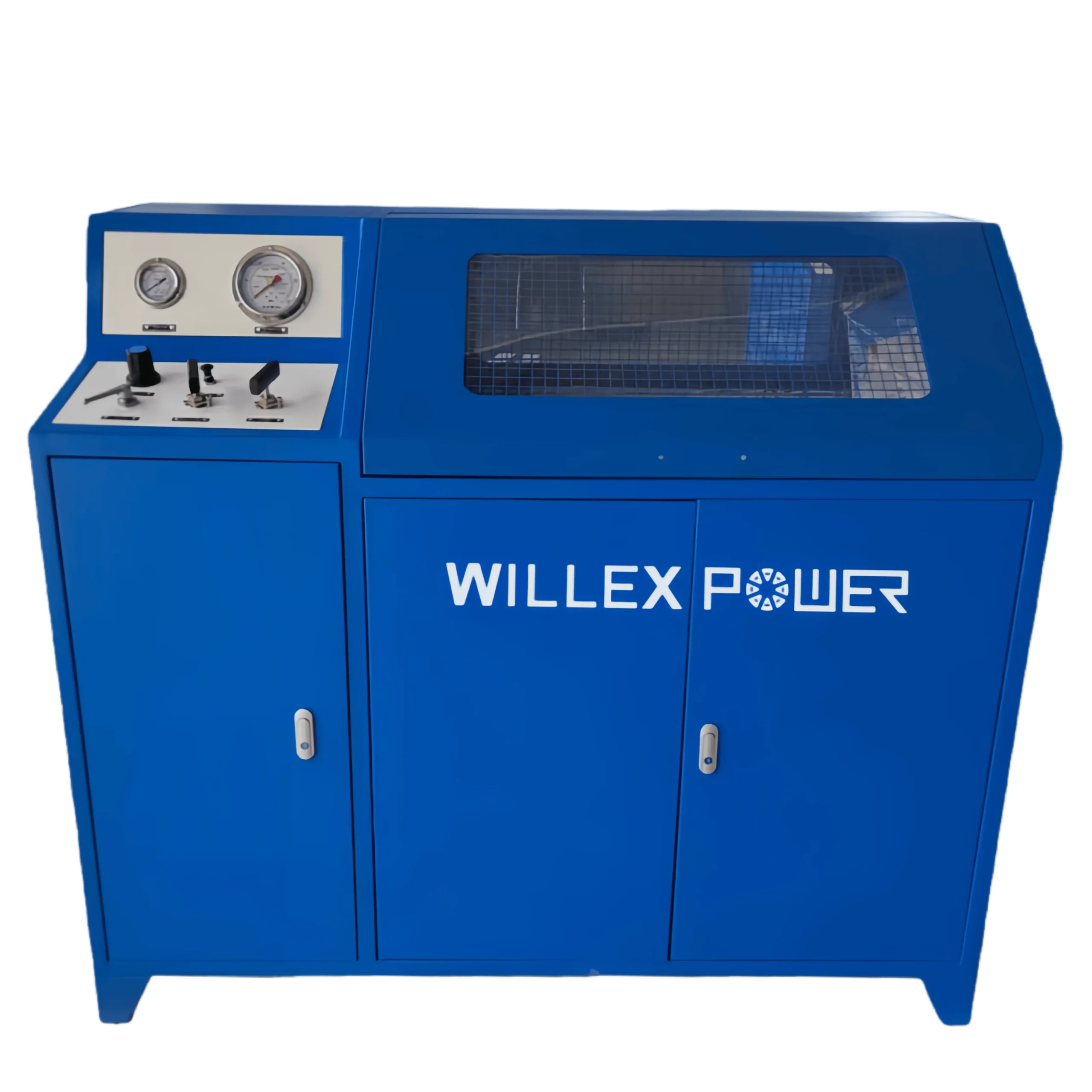
Modern hydraulic hose pressure testing machines boast a range of features designed for accuracy, safety, and ease of use. These typically include a high-pressure pump capable of reaching the required test pressures for various hose types, a pressure controller for precise pressure regulation, a digital display for monitoring pressure, and safety features such as pressure relief valves and burst containment systems. Automated models often feature data logging capabilities and programmable test cycles. The machine must accommodate various hose sizes and types, and be constructed from robust materials to withstand high pressures.
Essential Features:
• High-pressure pump with adjustable pressure settings
• Digital pressure display for accurate monitoring
• Safety relief valves and burst containment
• Adaptors for various hose sizes
Choosing the Right CE Certification Hydraulic Hose Pressure Testing Machine: Key Considerations
Selecting the appropriate machine requires careful consideration of your specific testing needs. The maximum pressure capacity should exceed the highest pressure rating of the hoses you intend to test. The machine's capacity in terms of hose diameter and length is also crucial. Consider the level of automation required – manual machines are more affordable but require more operator involvement, while automated models offer greater efficiency and data accuracy. Don't overlook factors like the machine's footprint, power requirements, and available after-sales support. Investing in a machine from a reputable manufacturer like Willex Crimper ensures quality and reliability.
Applications of Hydraulic Hose Pressure Testing
These machines find application across a wide range of industries where hydraulic systems are critical. These include manufacturing, construction, agriculture, mining, oil and gas, and aerospace. Testing is performed to verify hose integrity after crimping, during routine maintenance, and before putting hoses into service. Regular testing helps identify potential weaknesses and prevent catastrophic failures, ensuring workplace safety and minimizing downtime. The machines offered by Willex Crimper cater to diverse testing applications.
Safety Precautions When Using Pressure Testing Machines
Operating a hydraulic hose pressure testing machine requires strict adherence to safety protocols. Always wear appropriate personal protective equipment (PPE), including safety glasses, gloves, and hearing protection. Ensure the test area is clear of personnel. Never exceed the machine's maximum pressure rating. Regularly inspect the machine for any signs of damage or wear. Familiarize yourself with the machine's emergency stop procedures. Follow the manufacturer’s instructions carefully and receive proper training before operating the equipment.
Conclusion: Ensuring Reliability with Quality Testing
Investing in a CE certified hydraulic hose pressure testing machine is a critical step in maintaining the safety and reliability of hydraulic systems. By choosing the right machine and adhering to proper safety procedures, you can prevent costly failures, protect personnel, and ensure compliance with industry regulations. Willex Crimper offers a range of high-quality testing machines to meet your specific needs.
Frequently Asked Questions (FAQs)
What pressure levels should I test my hydraulic hoses to?
The test pressure depends on the working pressure of the hose and the specific industry standards. Generally, a hydrostatic test is performed at a pressure 1.5 times the working pressure. For example, a hose with a working pressure of 3000 PSI should be tested to 4500 PSI. However, always consult the hose manufacturer's specifications and relevant industry regulations for accurate guidance. It’s crucial to understand that exceeding the maximum test pressure can cause hose failure and pose a safety risk.
How often should I pressure test my hydraulic hoses?
The frequency of testing depends on the application and operating conditions. As a general guideline, hoses should be tested annually or after any significant event, such as a repair or crimping. Hoses used in critical applications or exposed to harsh environments may require more frequent testing. Regularly inspect hoses for visual signs of damage, such as cracks, abrasions, or swelling, and test them if any concerns arise. Following a preventative maintenance schedule is key.
What safety features are essential in a pressure testing machine?
Essential safety features include a pressure relief valve to prevent over-pressurization, a burst containment system to protect operators in case of hose failure, and an emergency stop button for immediate shutdown. The machine should also have clear safety warnings and instructions. Ensure the machine is properly grounded and regularly inspected for any safety hazards. Always prioritize safety when operating a pressure testing machine.
What are the benefits of automated versus manual pressure testing machines?
Automated machines offer greater precision, repeatability, and data logging capabilities, reducing the risk of human error. They’re ideal for high-volume testing and applications requiring detailed documentation. Manual machines are more affordable and suitable for lower-volume testing or situations where automation isn’t essential. The choice depends on your specific testing needs and budget.
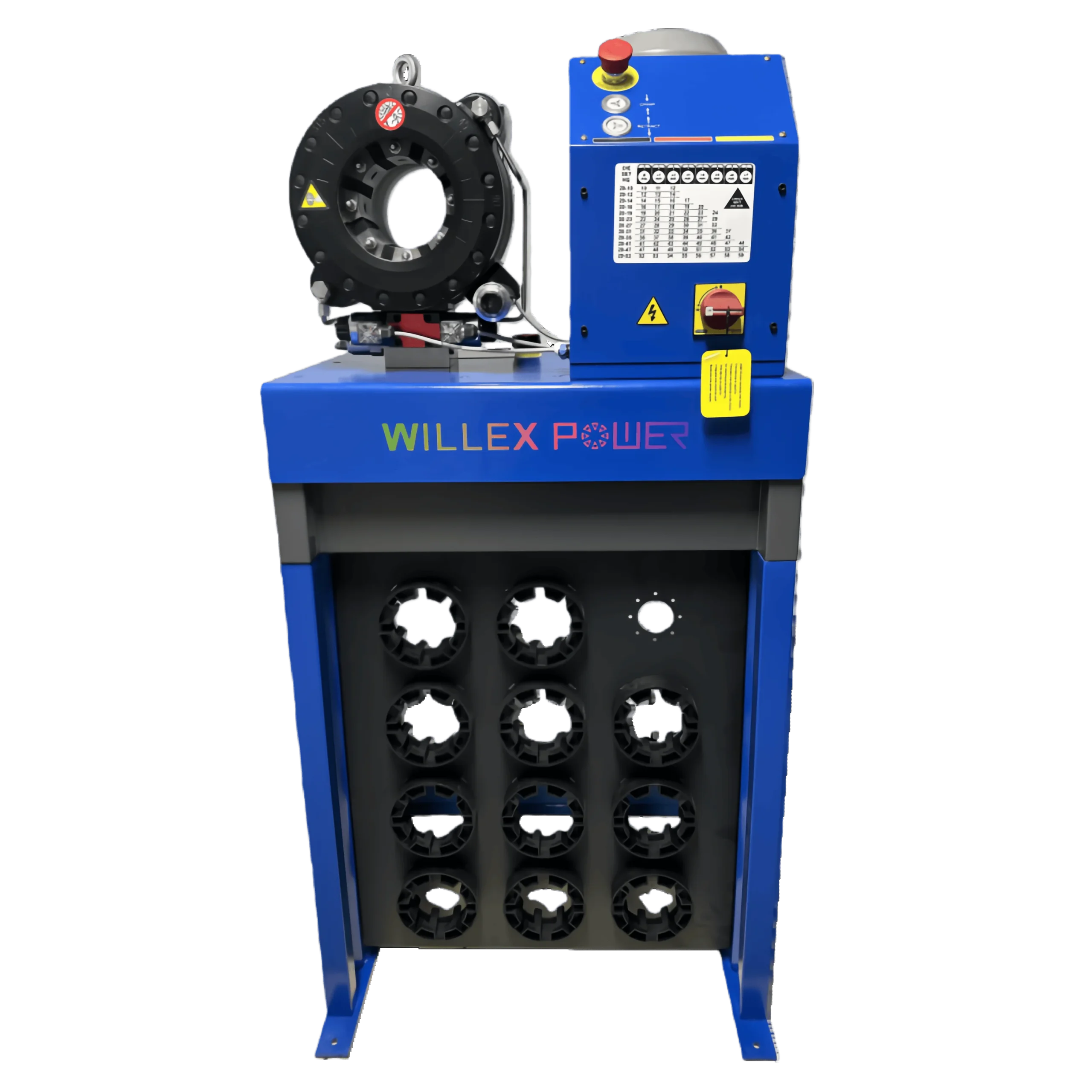
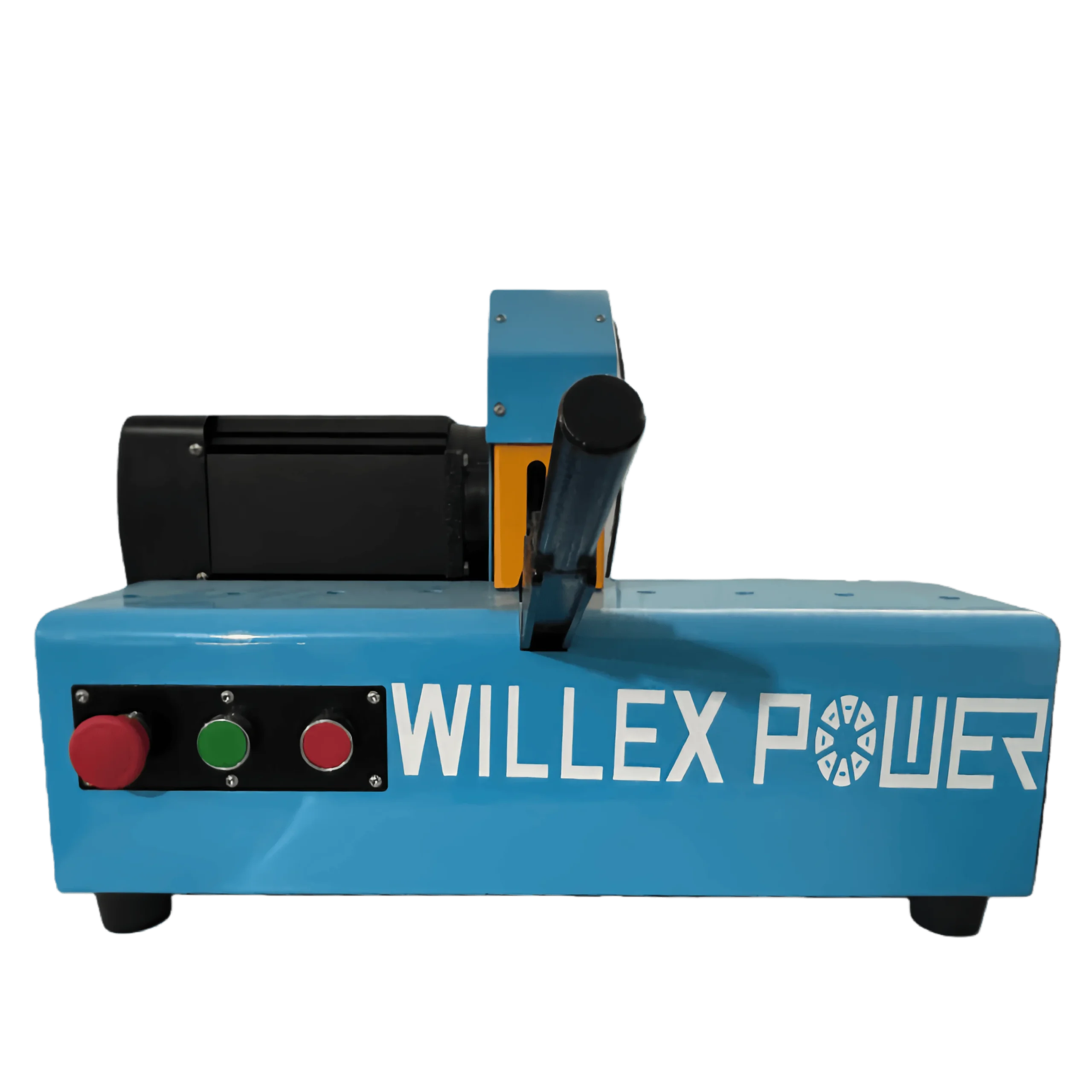
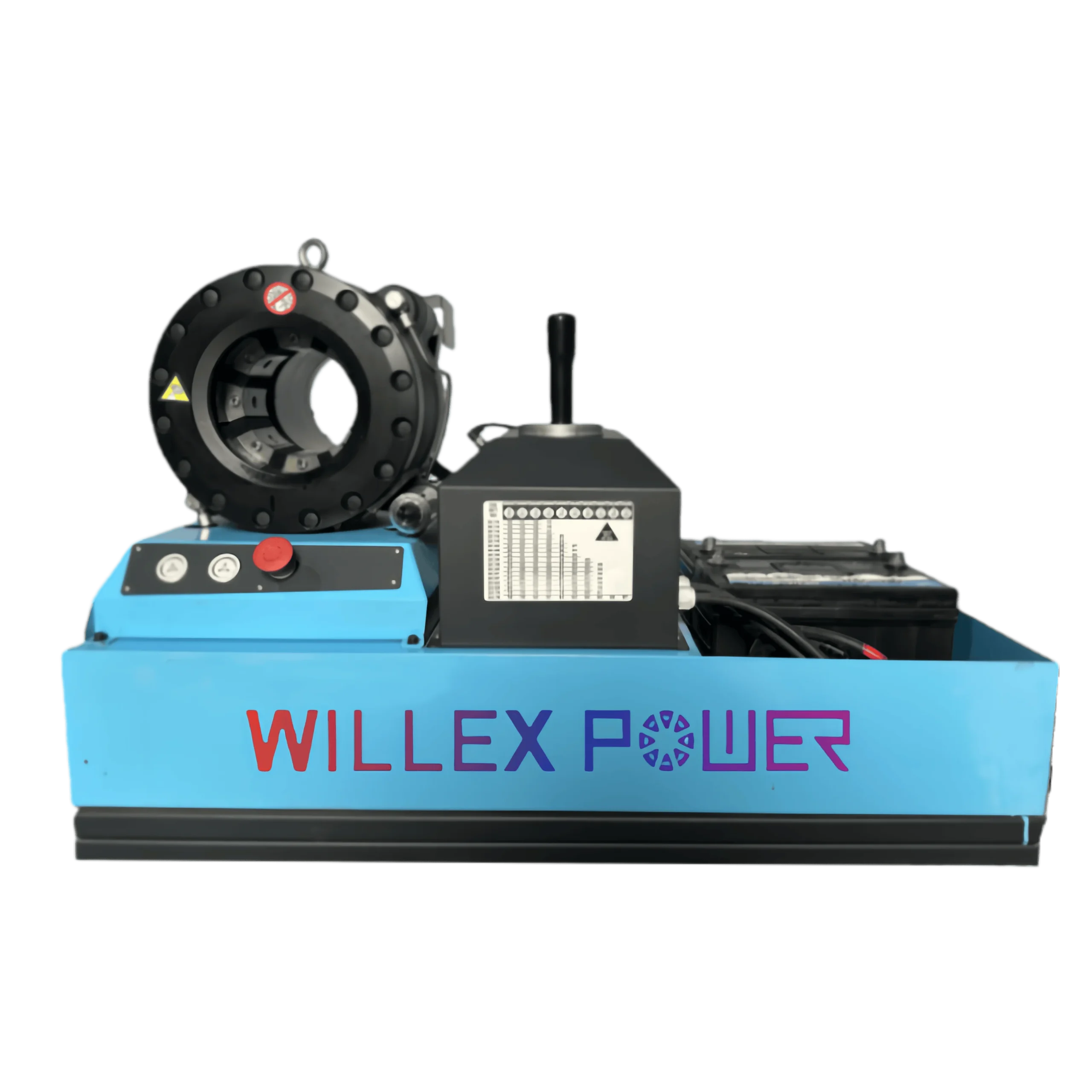
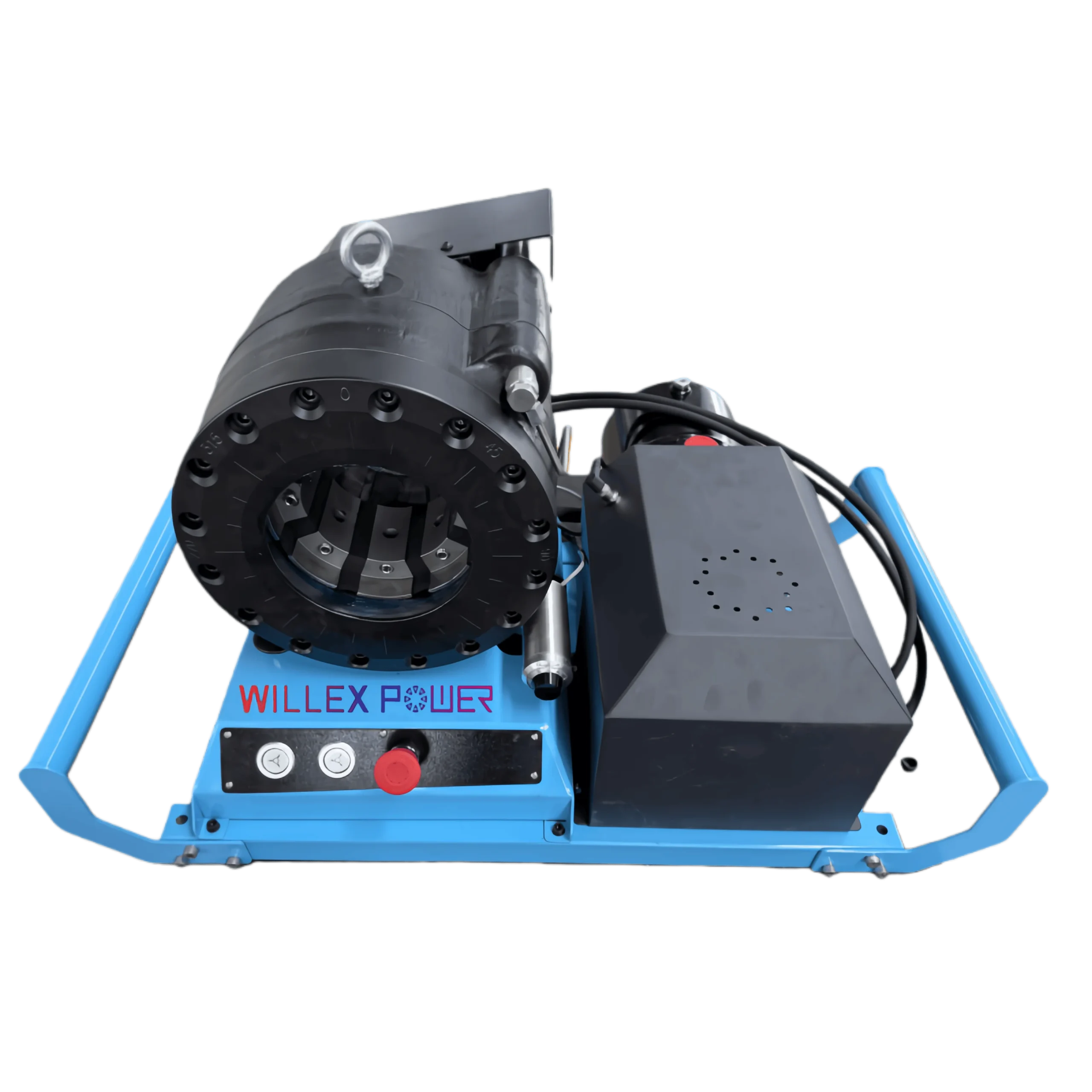
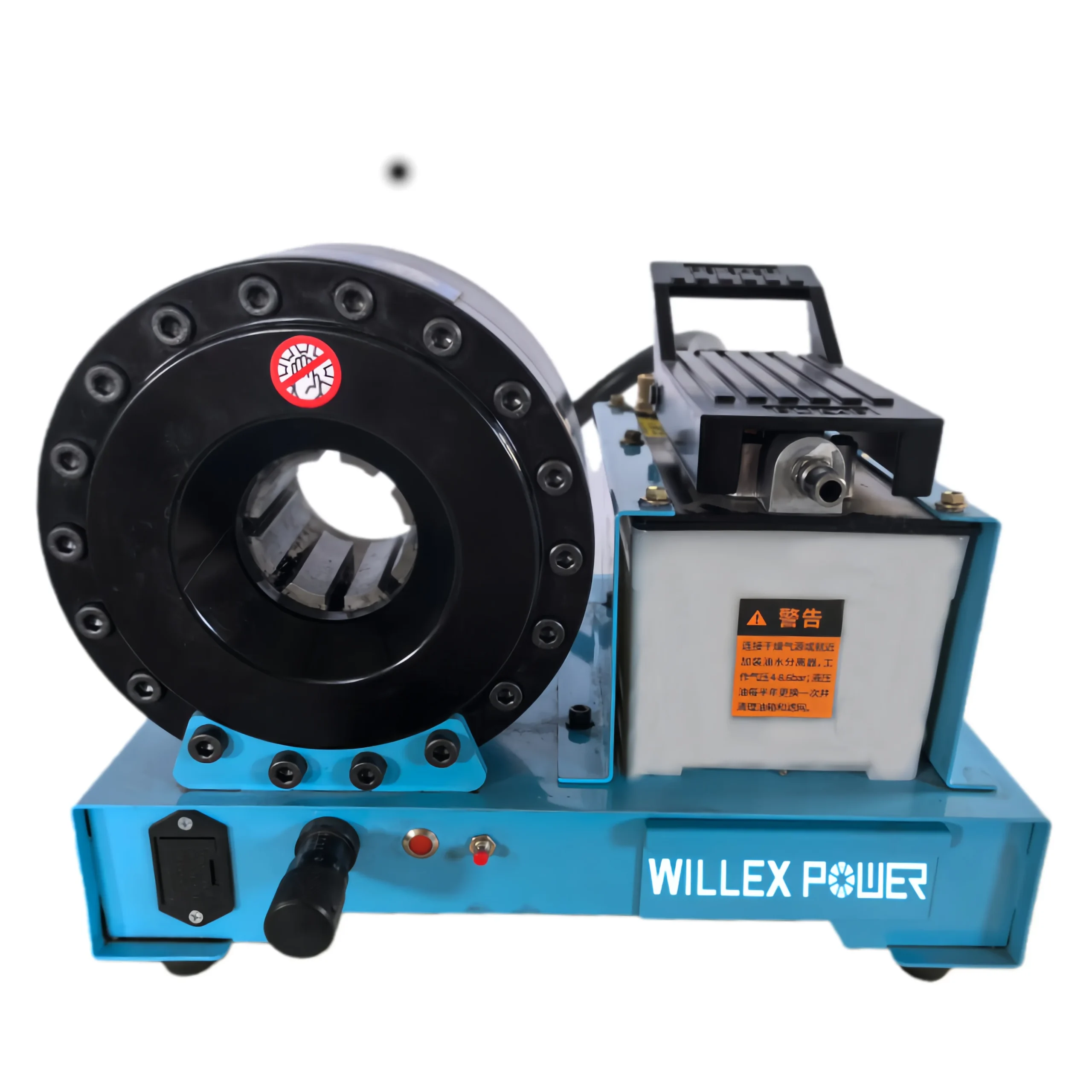
-20260121013914-scaled.webp "WILLEX POWER DZW-A10-1 Hose Crimping Machine")
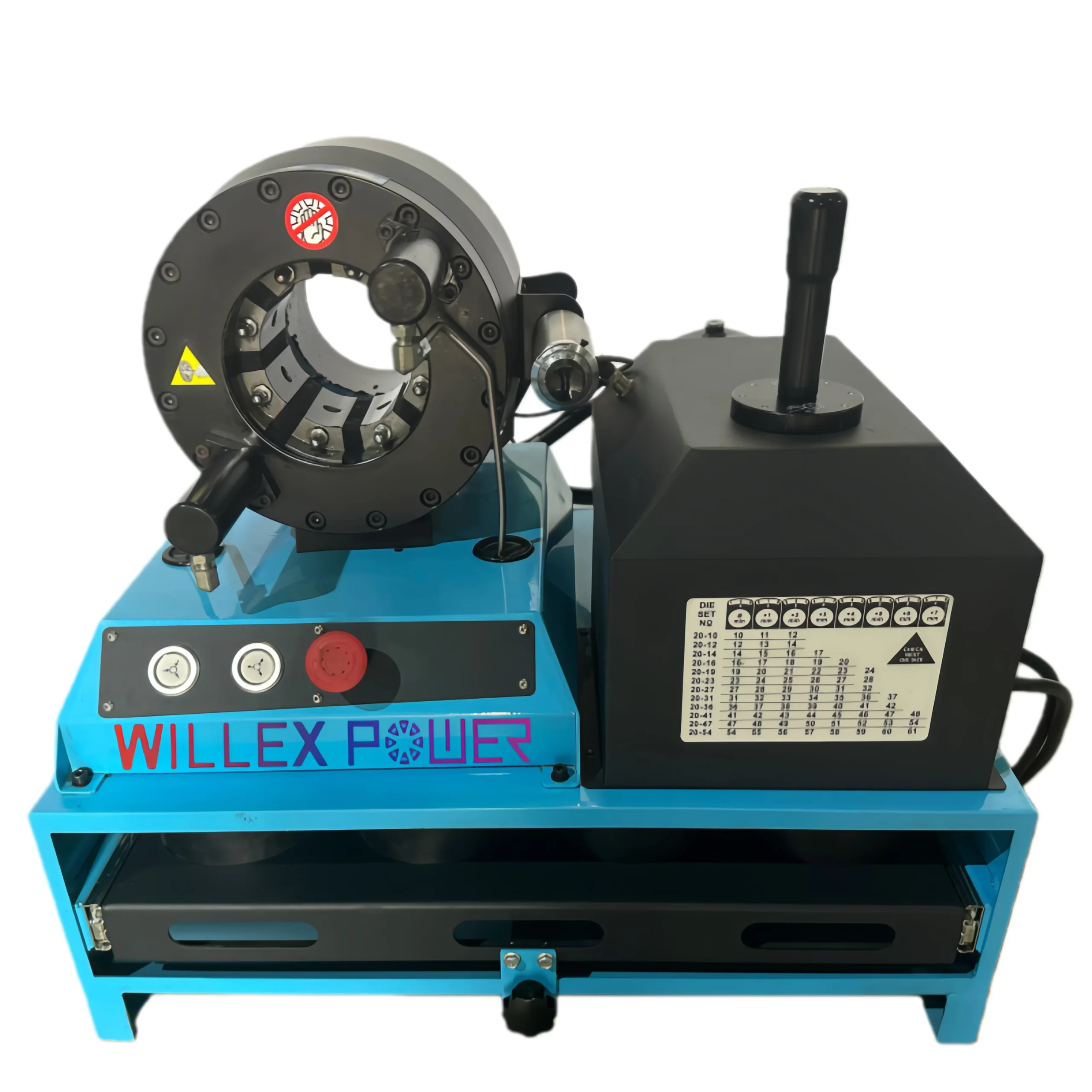
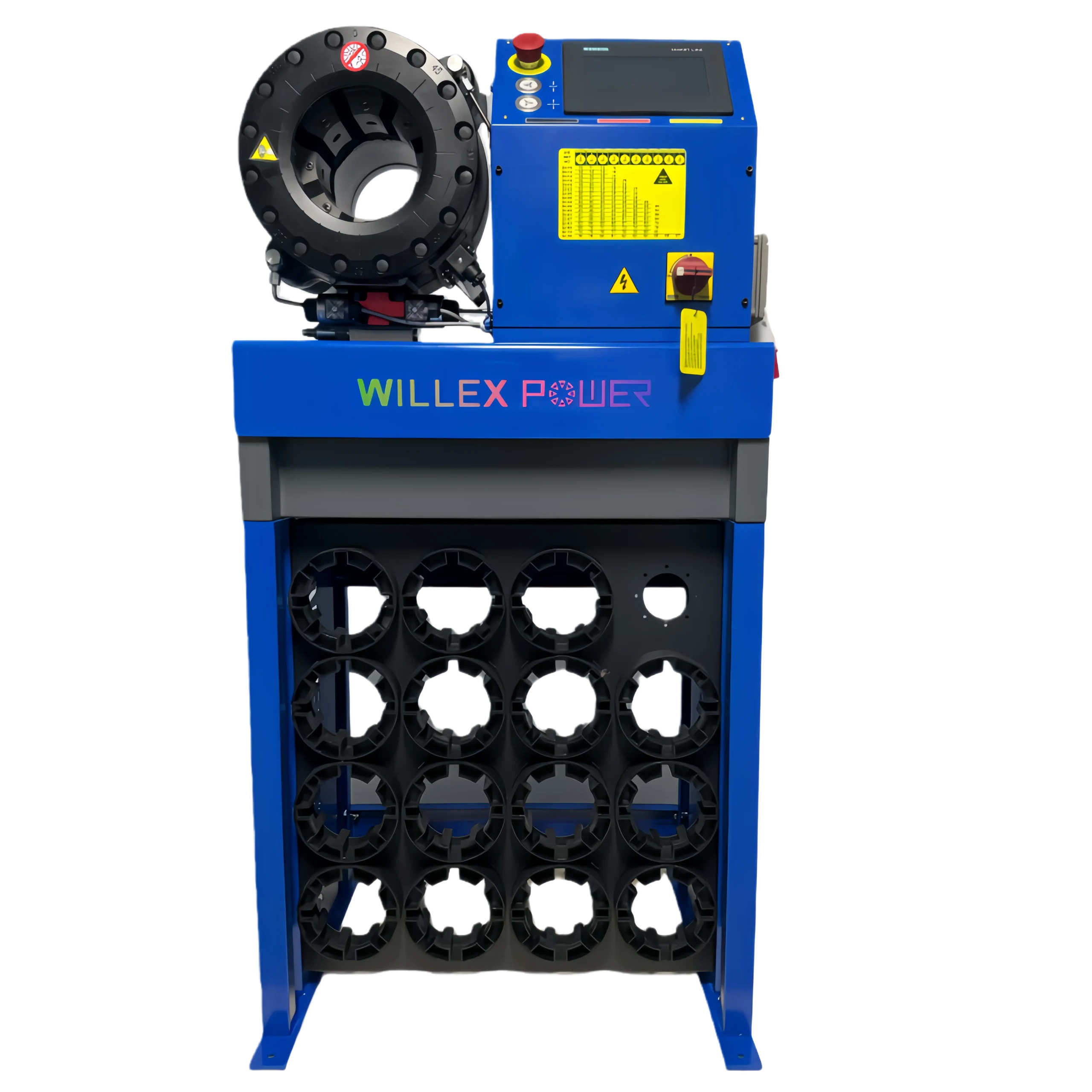
-20260121014427-scaled.webp "Hose Crimping Machine DZW-A10")
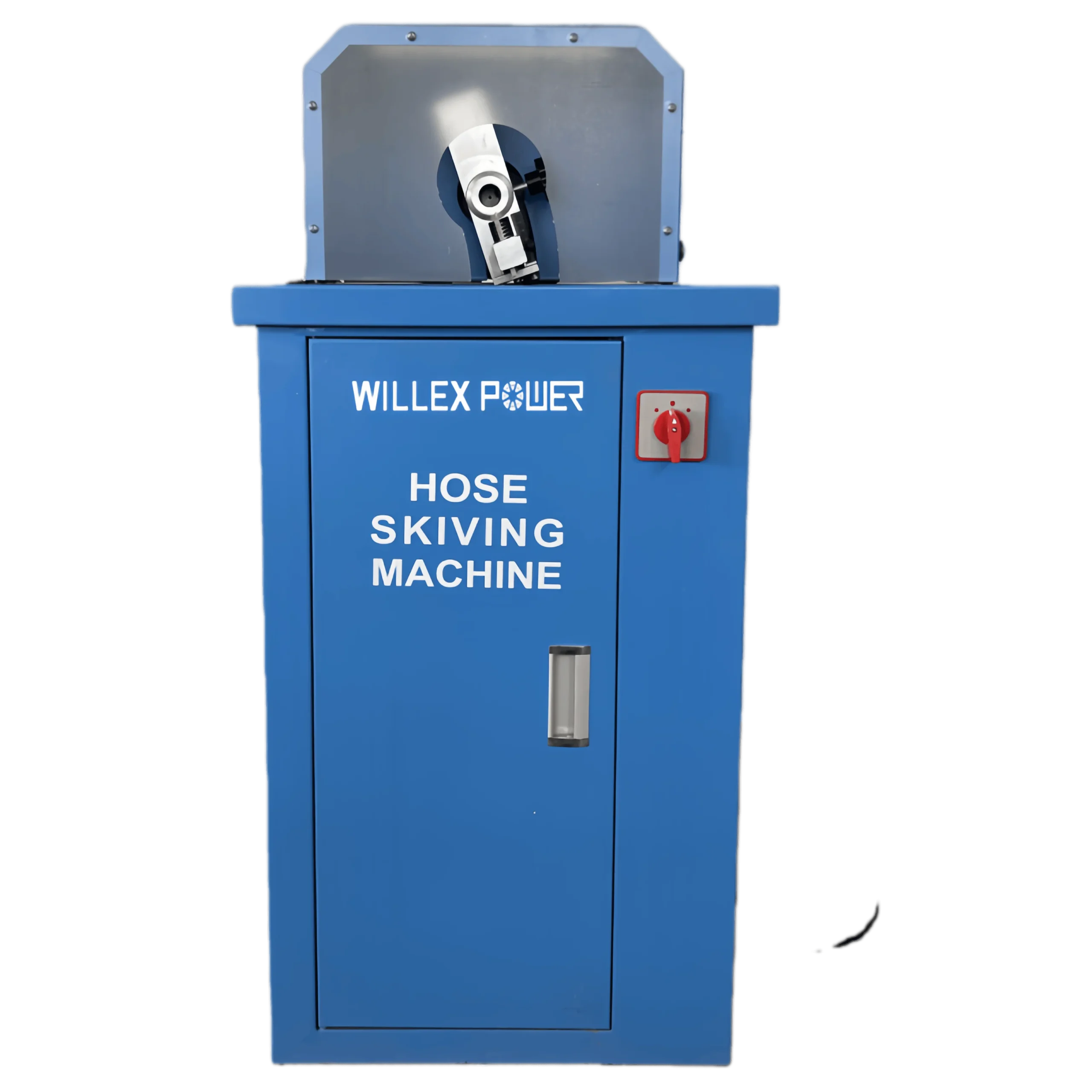
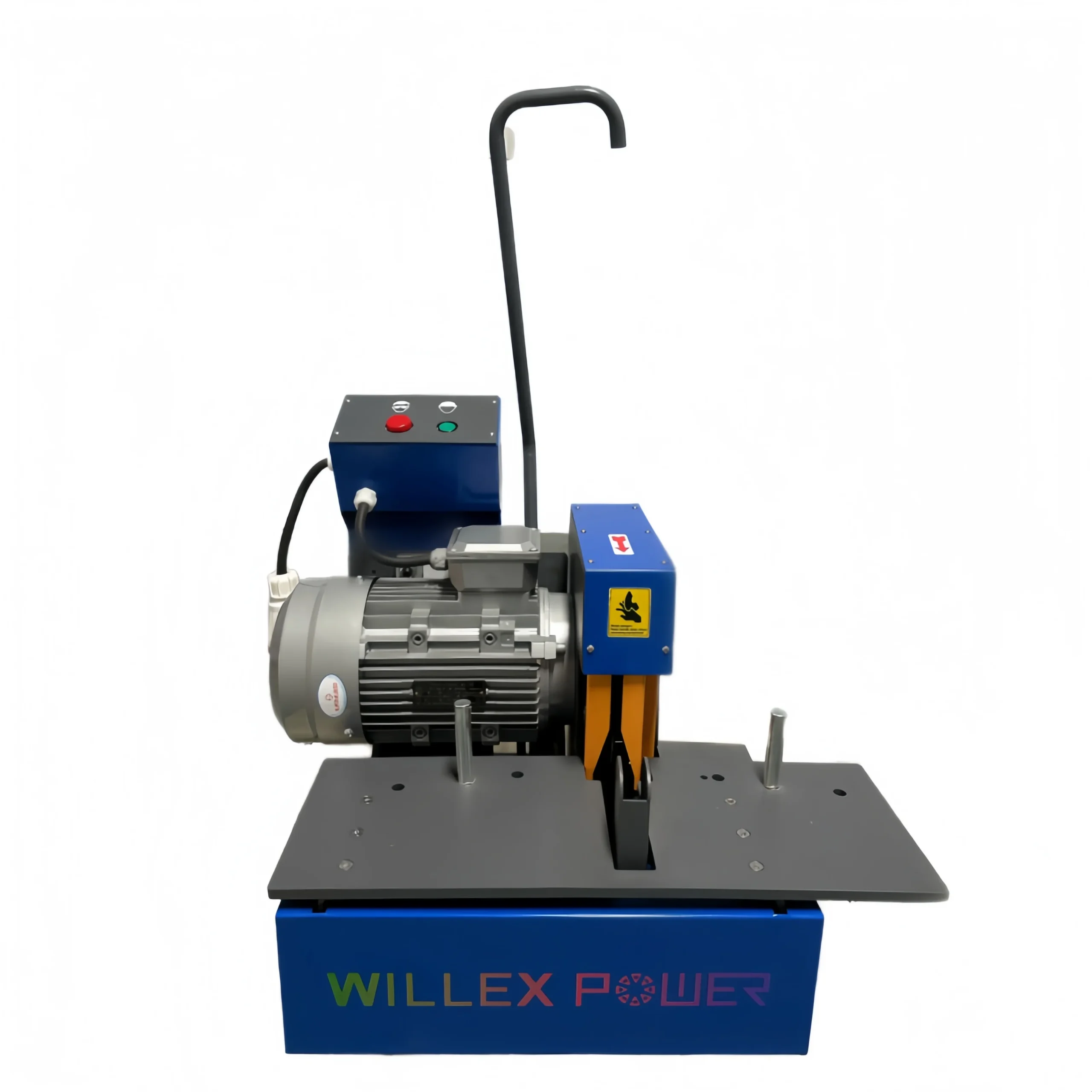
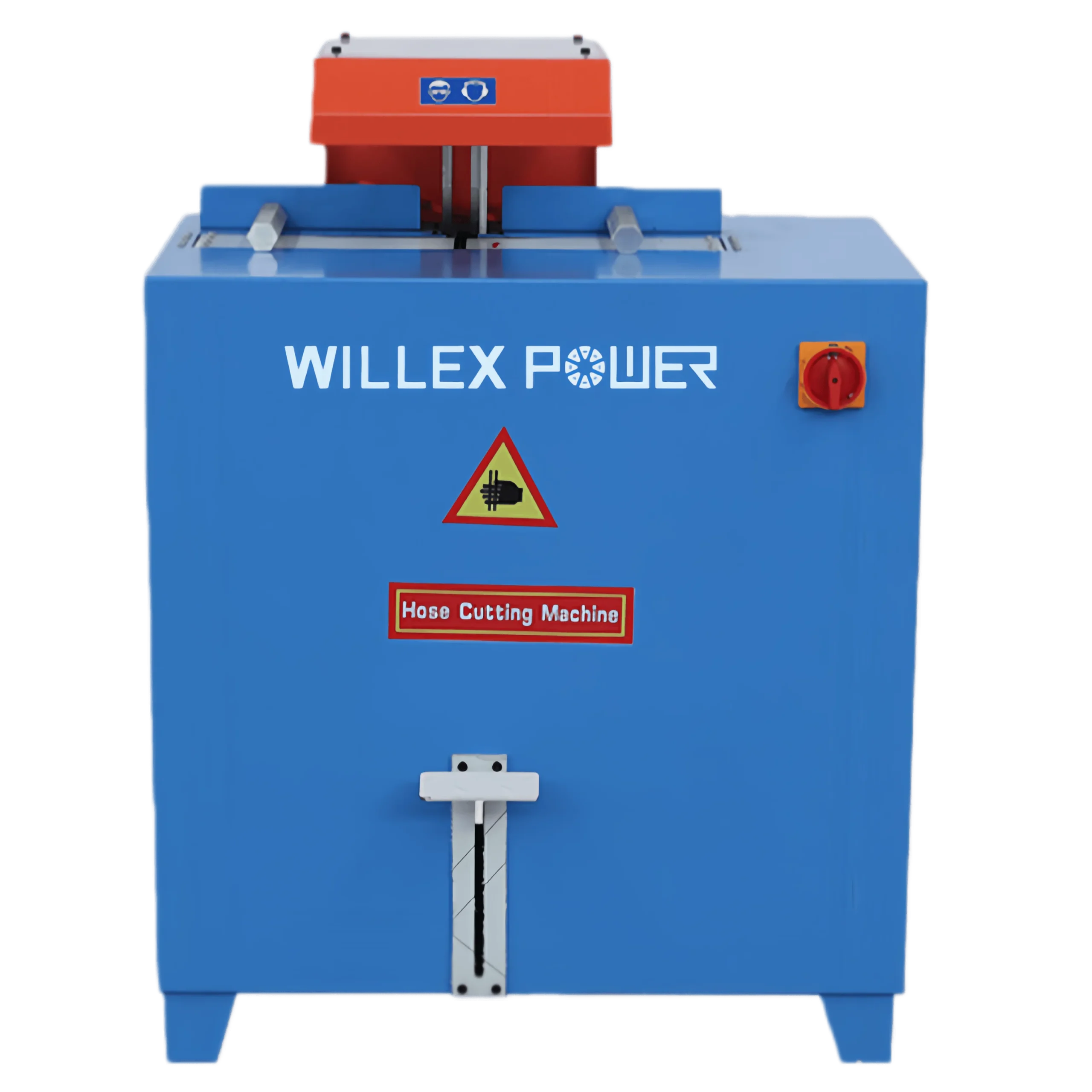
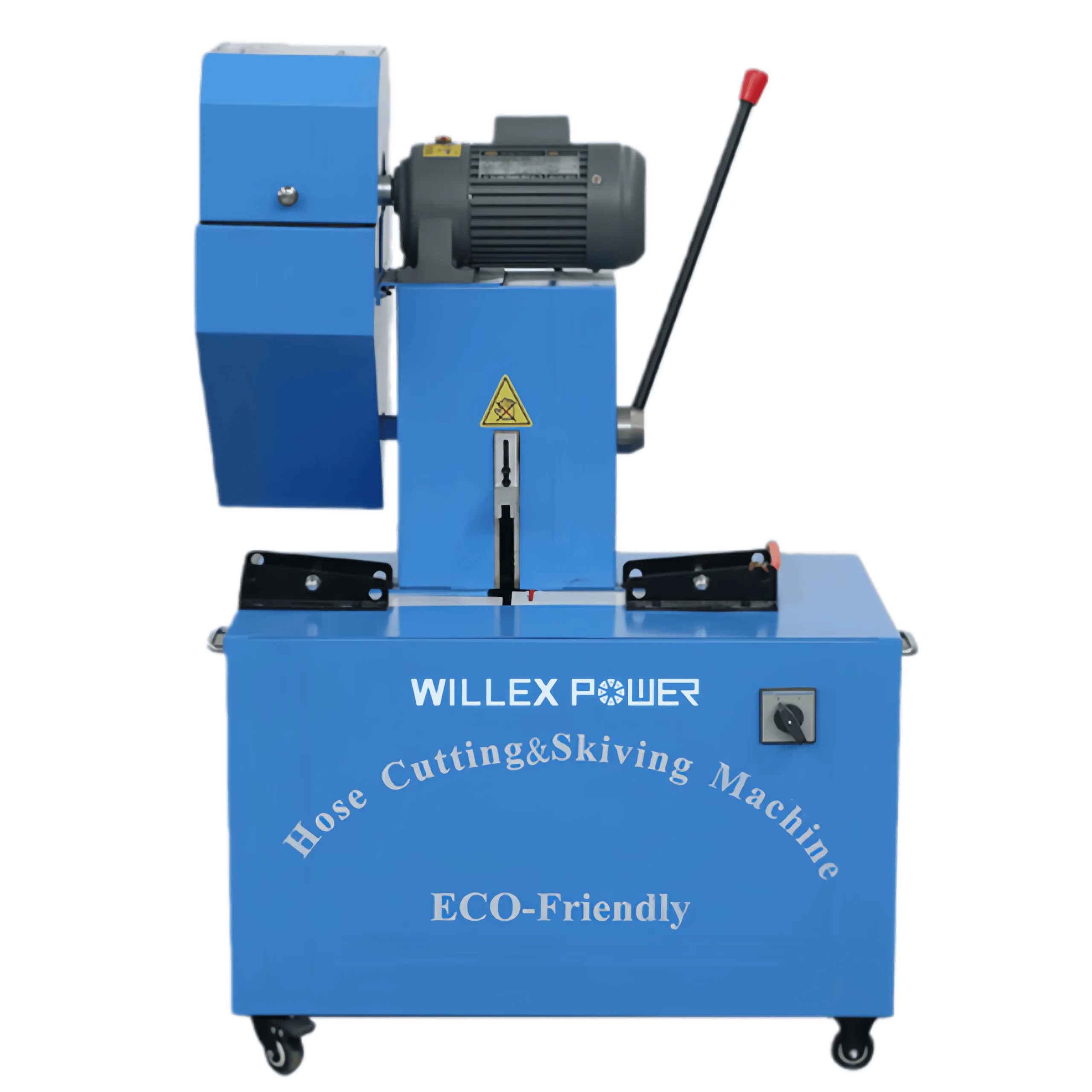
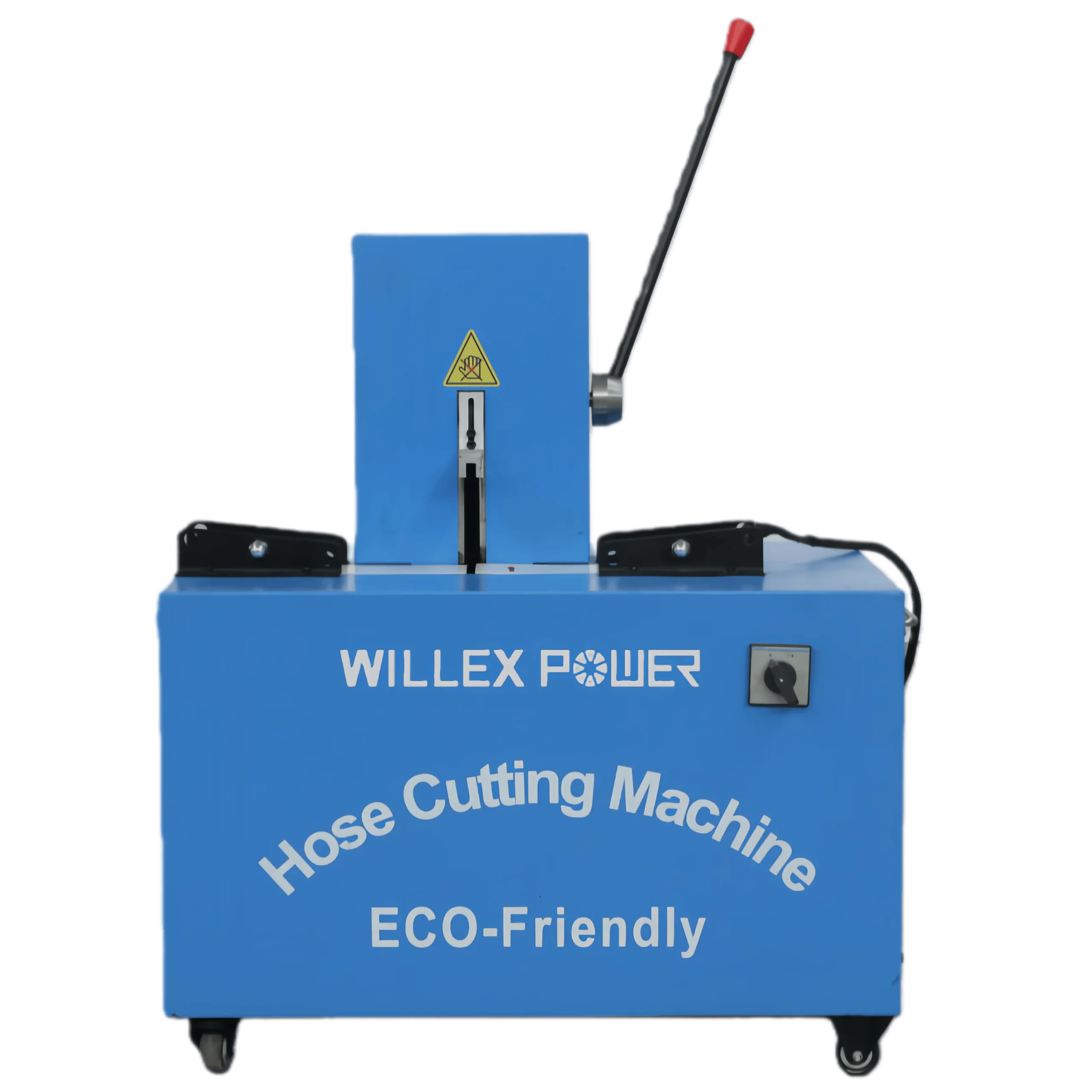
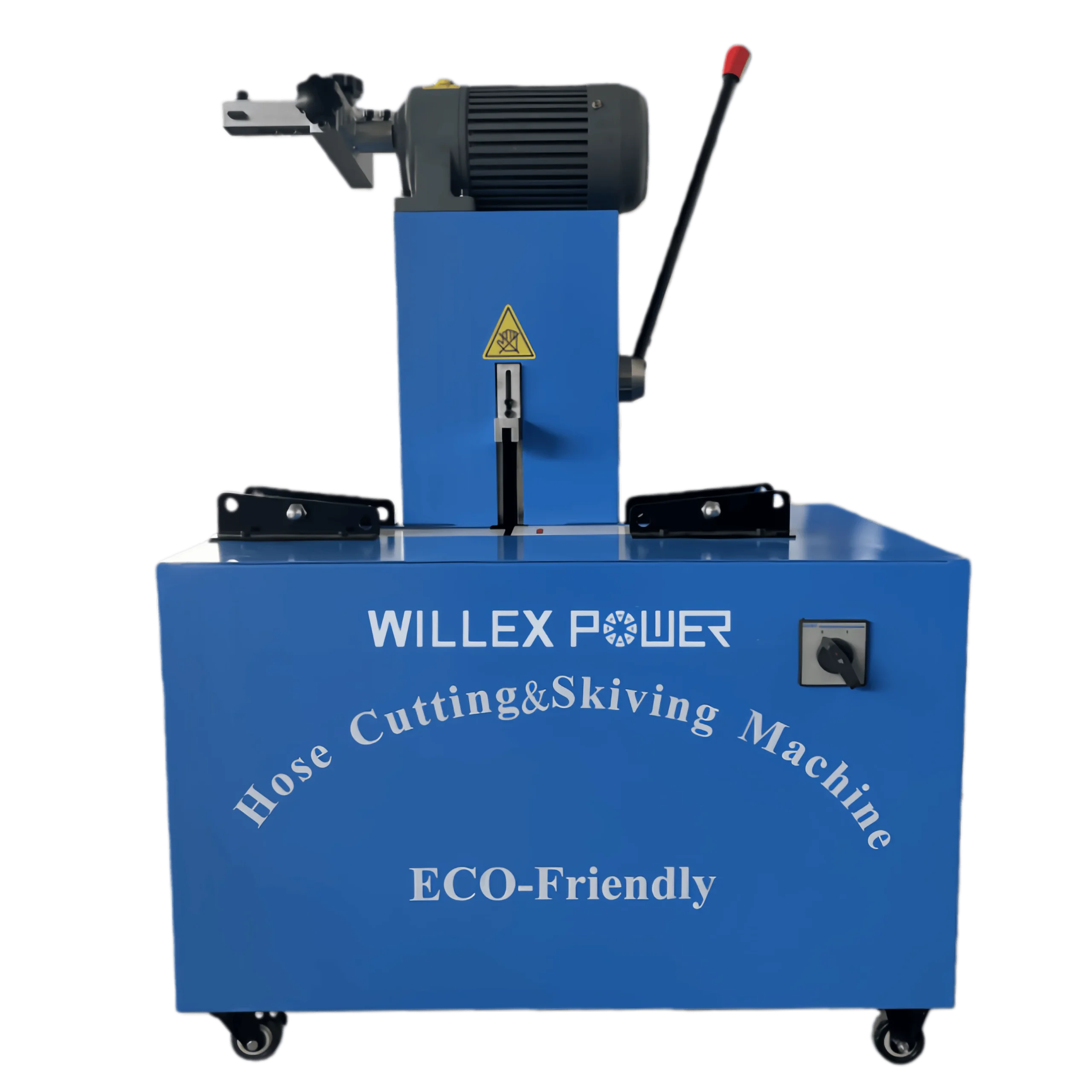
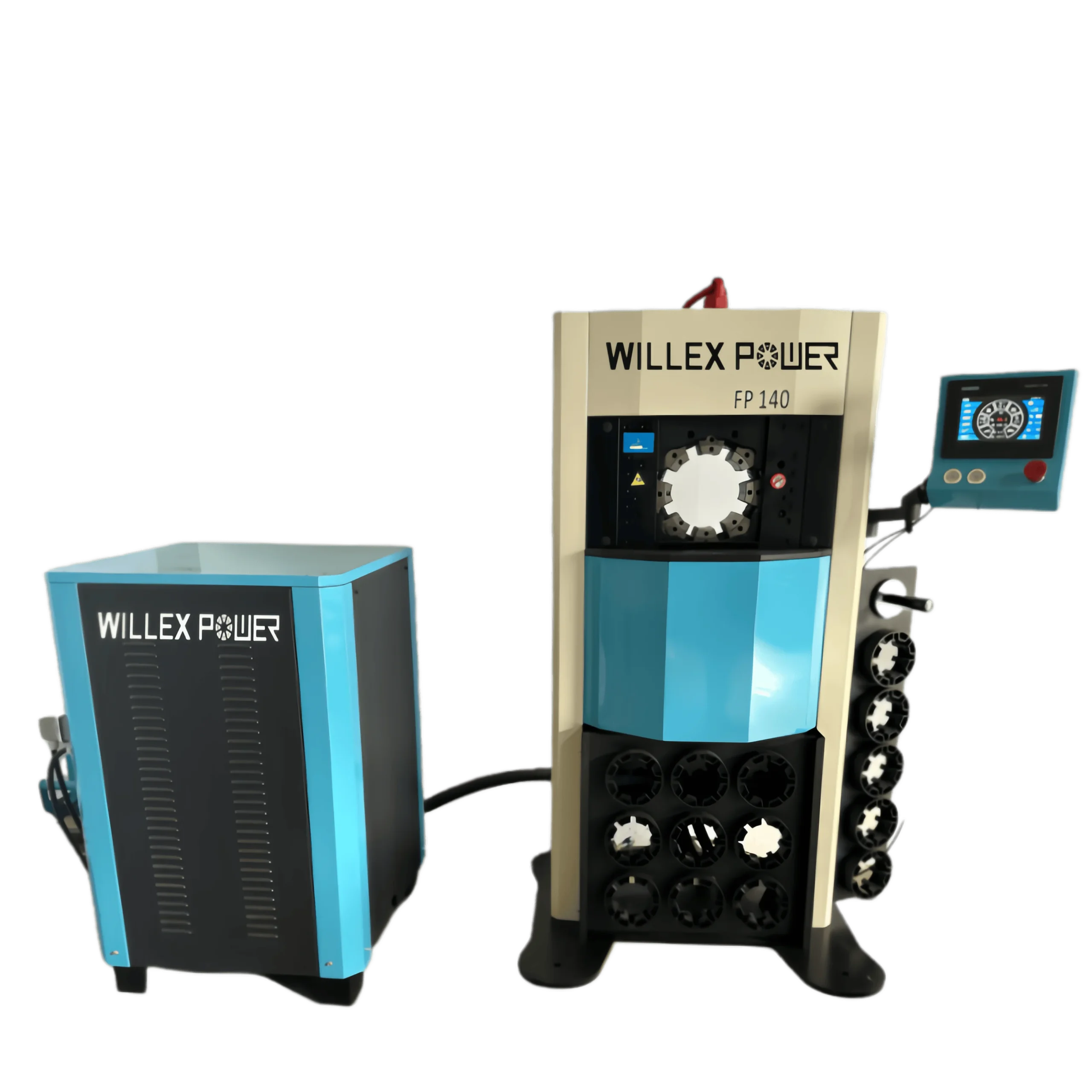
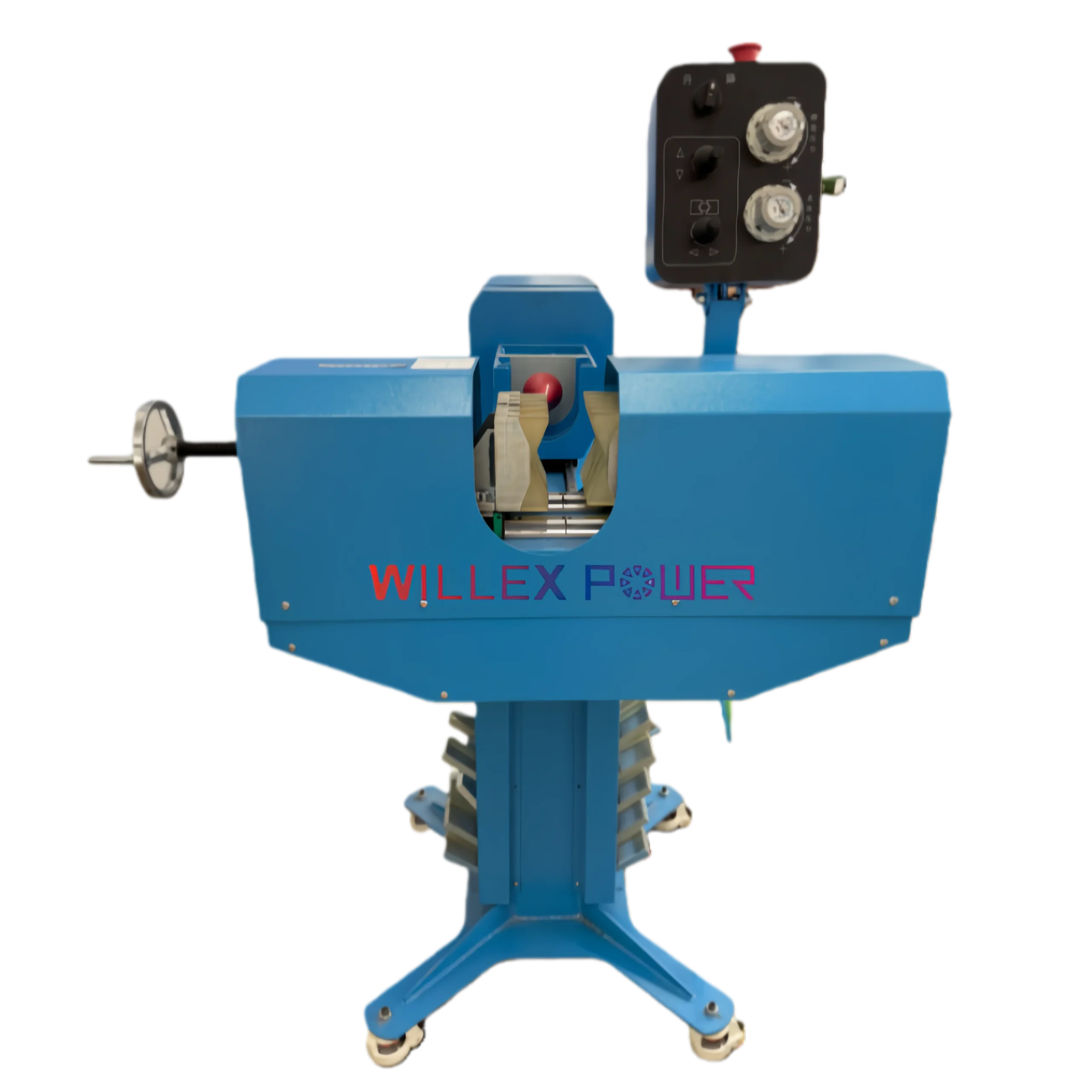
-20260121015636-scaled.webp "Hose Skiving Machine DZW-51BJ-M")
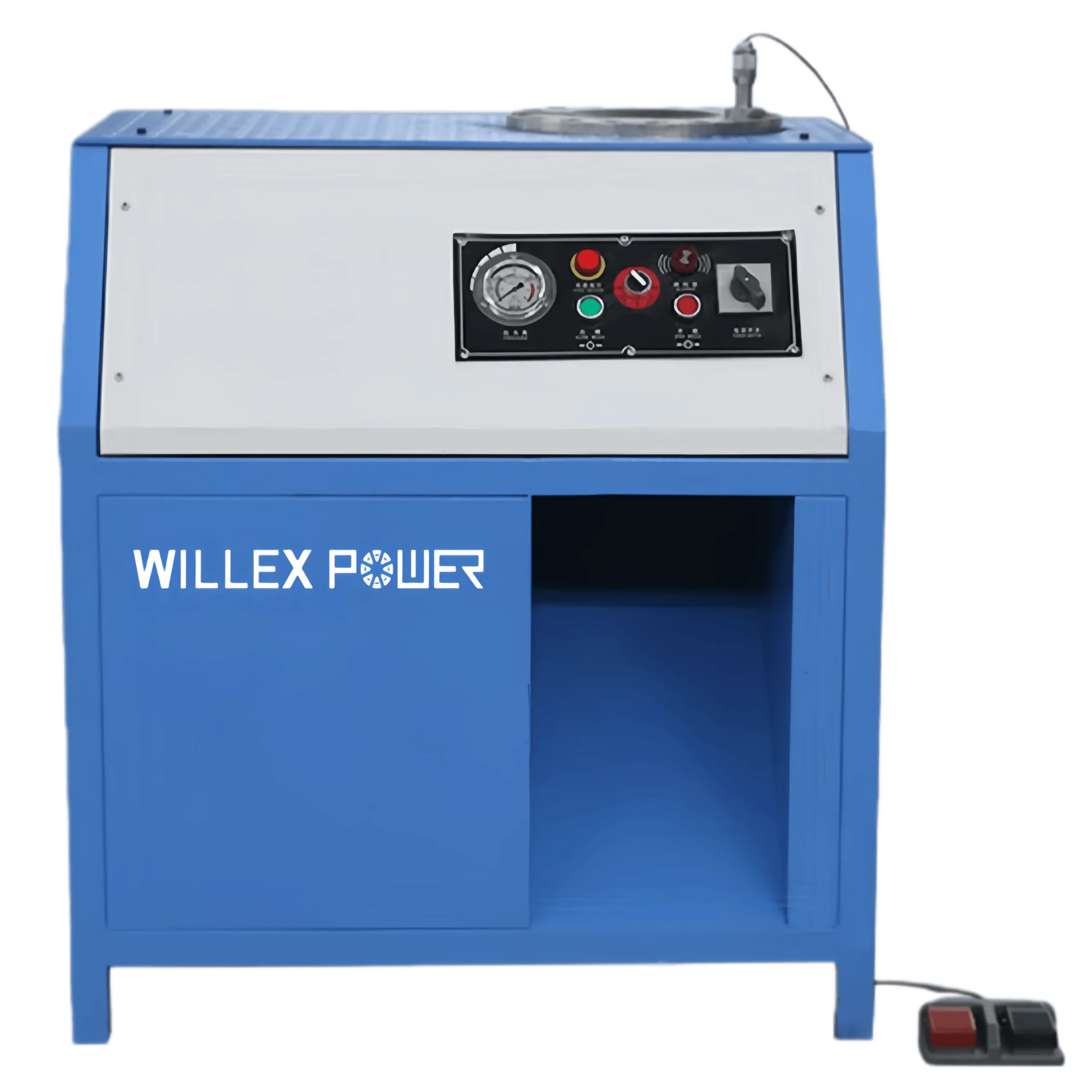
-20260121015753-scaled.webp "Hose Skiving Machine DZW-51BJ-C")
-20260121020311-scaled.webp "Hose Skiving Machine DZW-51BJ-E")