
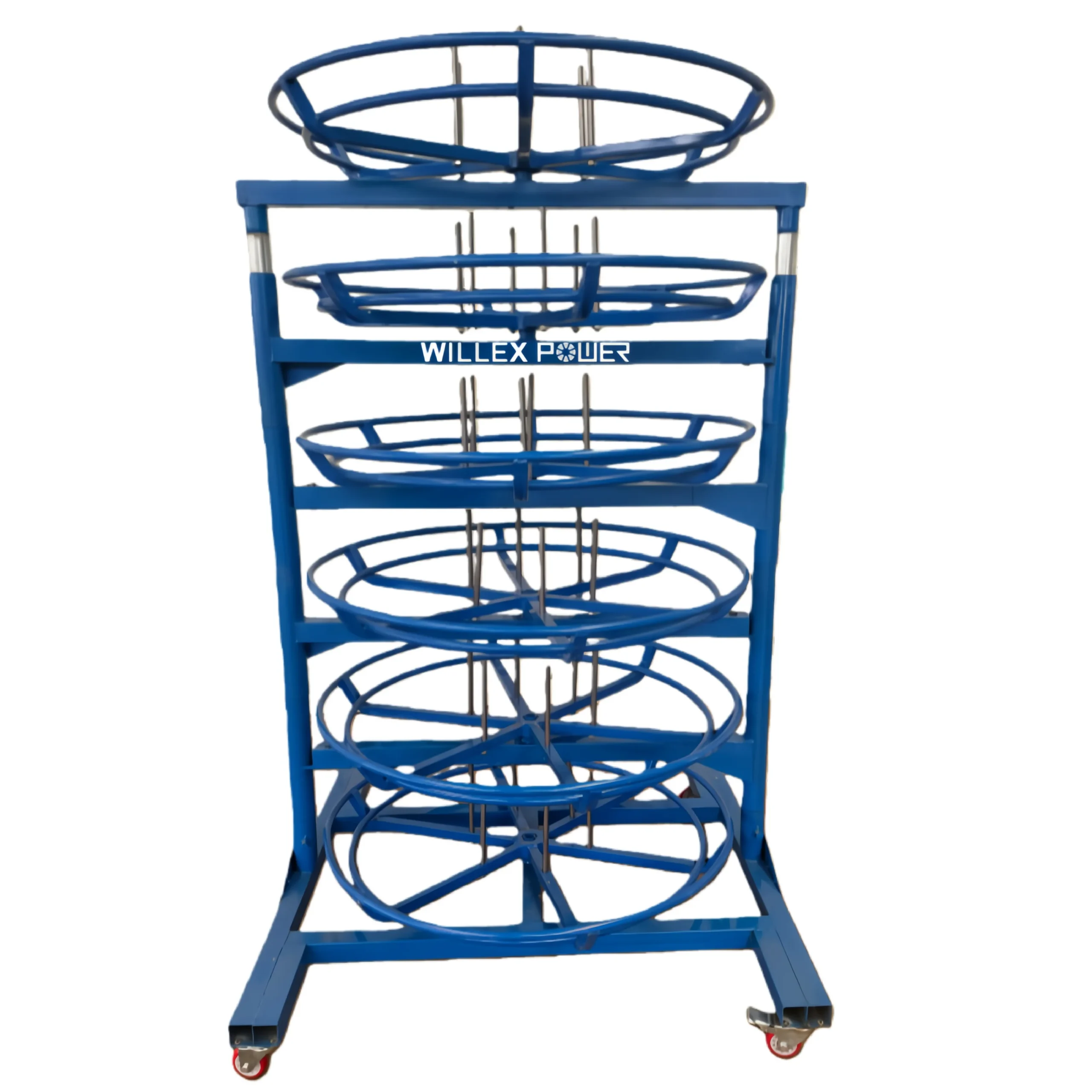
In Sri Lanka, the manufacturing and mining sectors are currently grappling with high humidity and saline coastal air, which accelerates the corrosion of traditional hose racks industrial. Many local workshops still rely on makeshift wooden or low-grade steel frames, leading to hose deformation and inefficient material handling.
The demand for professional hydraulic hose racks has surged as the country invests in infrastructure development and tea plantation mechanization. However, there is a noticeable gap between the availability of high-end processing tools and the actual shop-floor organization standards.
Currently, the market is transitioning toward standardized storage. Local operators are recognizing that a dedicated hose rack stand not only saves floor space but significantly reduces the lead time for assembly by eliminating the search for specific hose diameters.
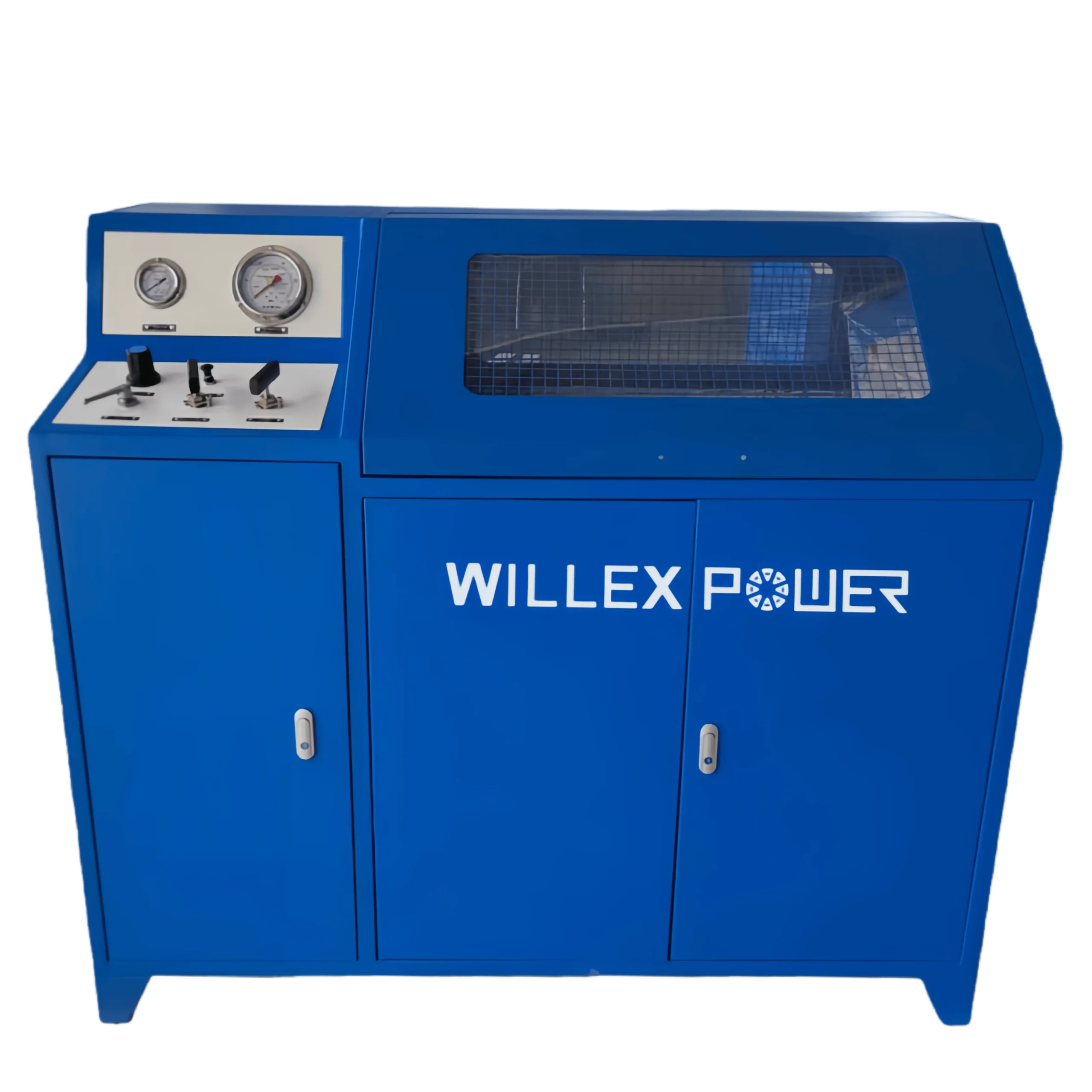
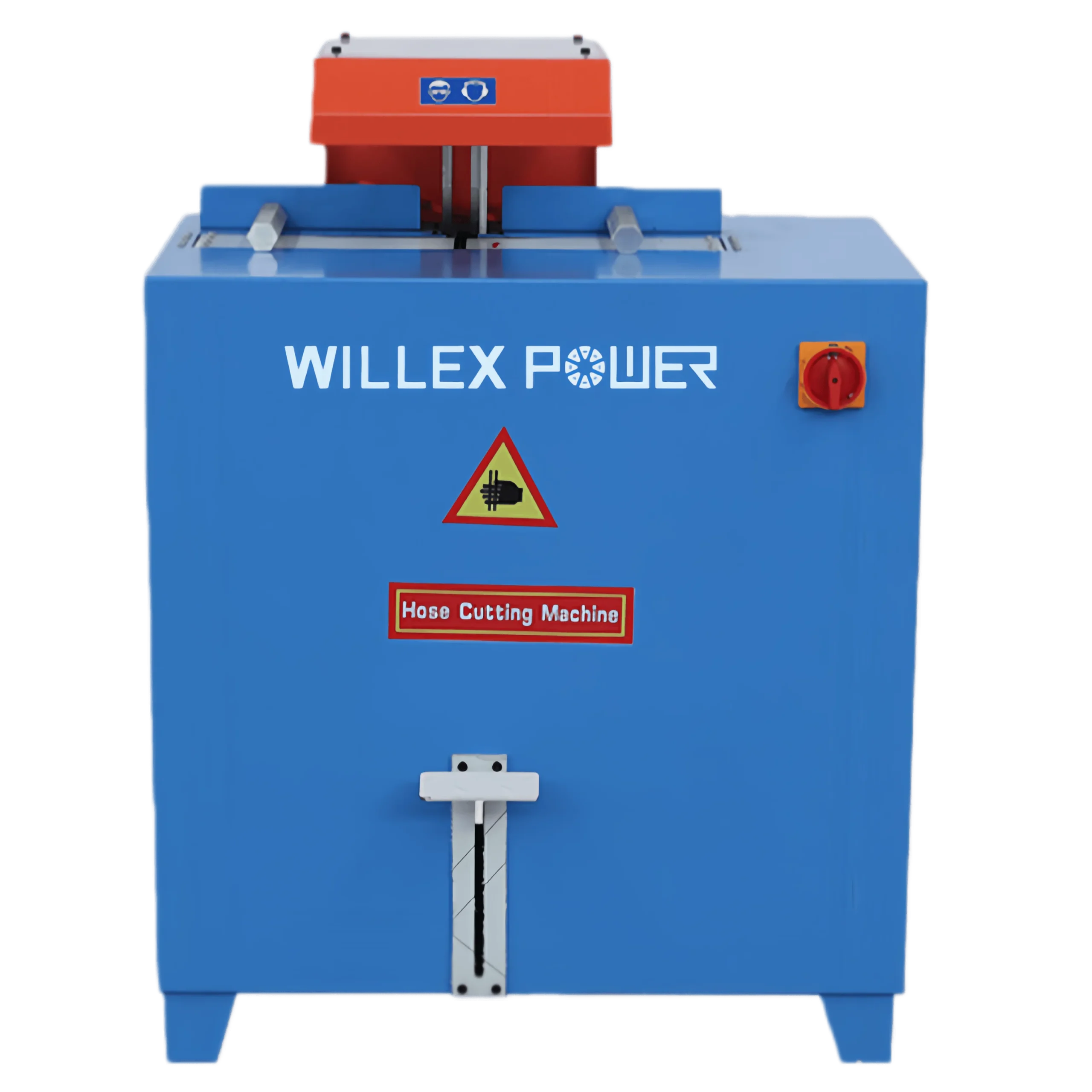
-20260121015636-scaled.webp "Hose Skiving Machine DZW-51BJ-M")
-20260121020311-scaled.webp "Hose Skiving Machine DZW-51BJ-E")


