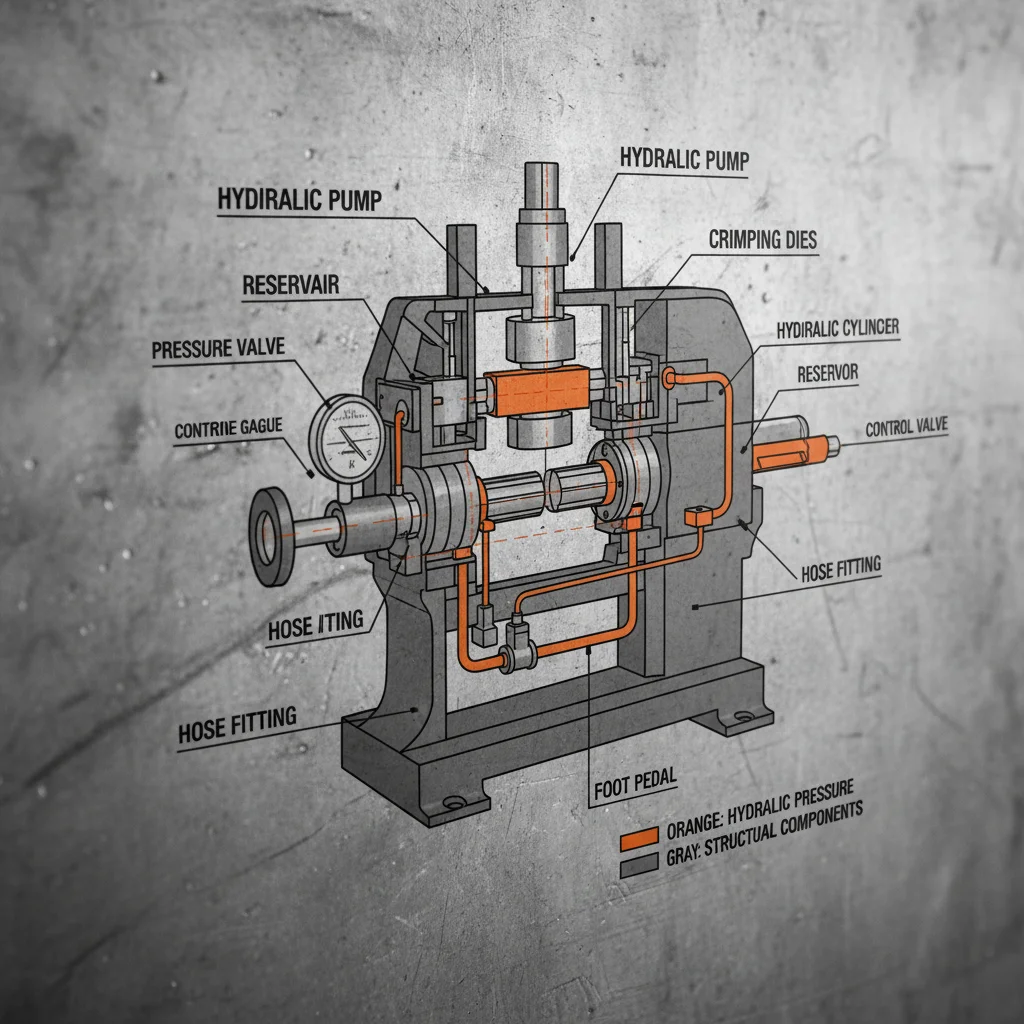
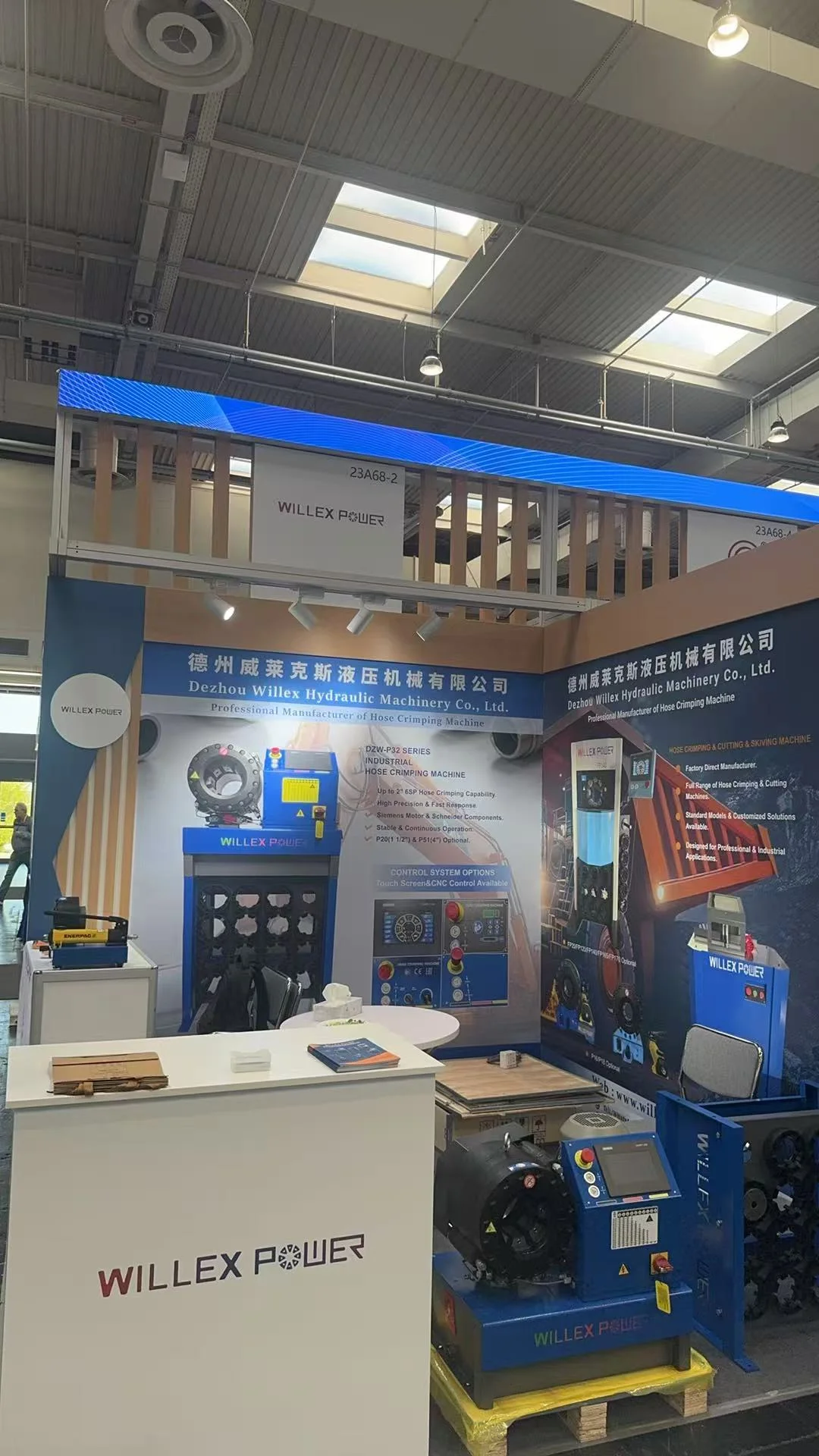
Reliable China Hydraulic Line Crimping Tool | Practical Industry Insight
China Hydraulic Line Crimping Tool: A Practical Perspective
Having spent a good chunk of my life dealing with industrial equipment, I can tell you that when it comes to hydraulic line crimping tools, quality and reliability are everything. China-made hydraulic crimpers have come a long way, and frankly, the China hydraulic line crimping tool market now offers some genuinely robust options that can stand toe-to-toe with Western alternatives.
Years back, the idea of trusting a crimping tool made in China might have made some engineers raise their eyebrows. But the industry's global nature and improved manufacturing controls have changed that perception. From bolts tightening to tubes and hoses shaping, a precise crimp is non-negotiable — it’s the foundation of safety and performance in hydraulic systems.
What struck me early on is how these tools in China have evolved in design and material quality. High-grade steel alloys and modern die sets are now standard rather than exceptions. The crimping force, for instance, is carefully calibrated to achieve reliable seals without damaging the hose or fitting — some vendors push this so well that it almost feels effortless.
Testing procedures are quite rigorous too. I remember visiting a factory where they ran the tools through thousands of hydraulic cycles, smashing them against irregular fittings to simulate worst-case scenarios. Only after passing pressure tests exceeding 5000 psi would the tools get green-lit. This attention to quality reflects the demands of hydraulic professionals worldwide.
One interesting facet is customization. Many Chinese manufacturers are now offering tailor-made tooling for unique applications—think special sizes, material compatibilities, or even branding. I once worked with a supplier that provided a crimper with modular dies for a mining client who needed heavy-duty hoses in extreme conditions. The adaptability impressed me.
Product Specification Table
| Specification | Details |
|---|---|
| Crimping Force | 8–12 Ton (manual), Up to 20 Ton (hydraulic) |
| Die Set Compatibility | Multiple sizes: 1/4"–2", customizable sets |
| Material | High-grade alloy steel, corrosion resistant |
| Maximum Hydraulic Pressure | Up to 5000 PSI validated |
| Weight | 5–15 kg depending on model |
Now, in the field, what really matters is not just specs on paper but how these tools handle real-life demands. I've seen crews using these crimpers in cramped oilfield rigs and large factory floors, and oddly enough, their consistent performance wins a lot of loyal users. The balance between ergonomic design and power output is a sweet spot that's tough to get right.
Vendor Comparison
| Feature | Vendor A | Vendor B | Vendor C |
|---|---|---|---|
| Price Range | $120–$250 | $100–$220 | $150–$300 |
| Customization Options | Yes, modular dies | Limited | Yes, full service |
| Warranty | 2 years | 1 year | 3 years |
| Lead Time | 2–4 weeks | 1–3 weeks | 3–5 weeks |
| User Feedback | Positive, reliable | Mixed reviews | Very positive, premium |
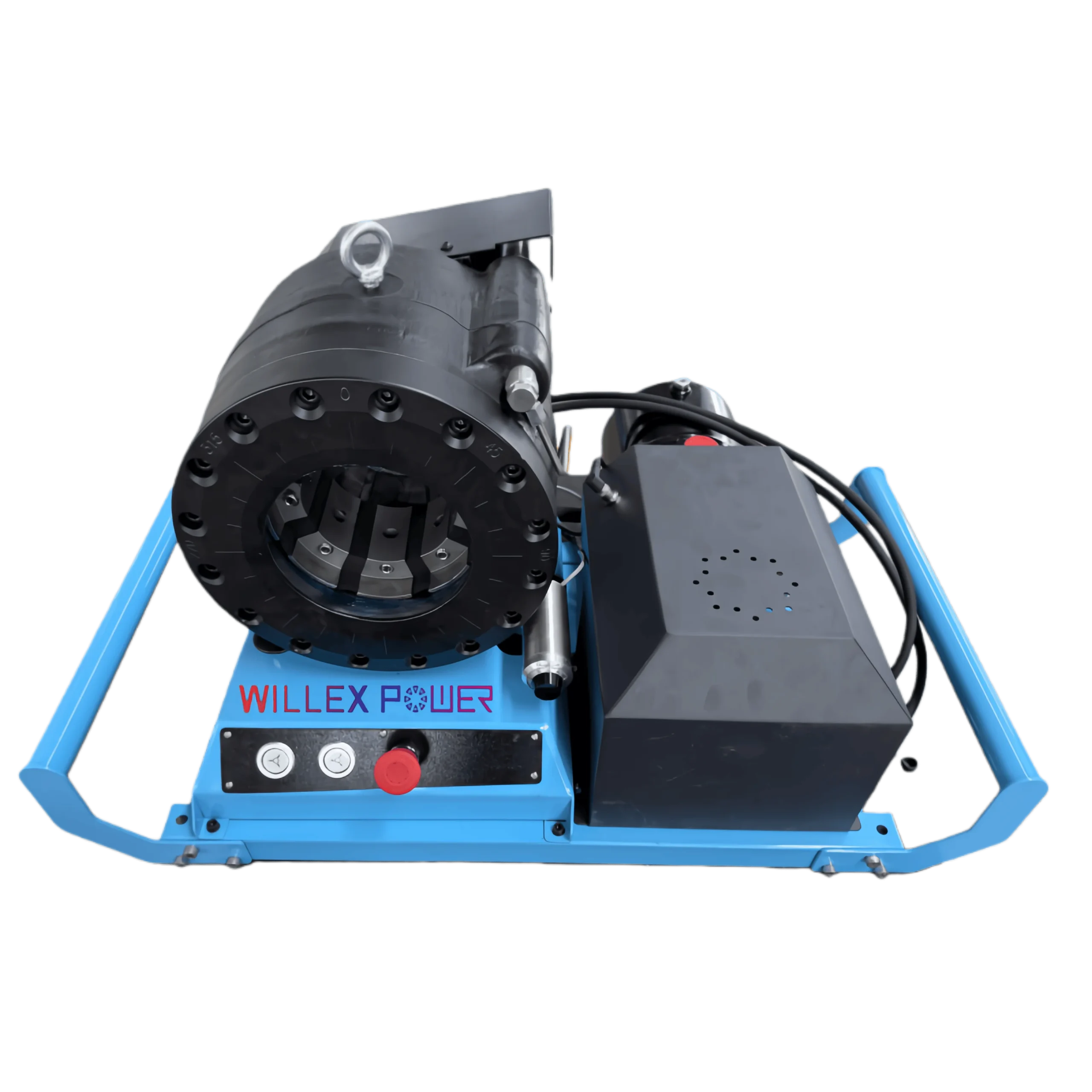
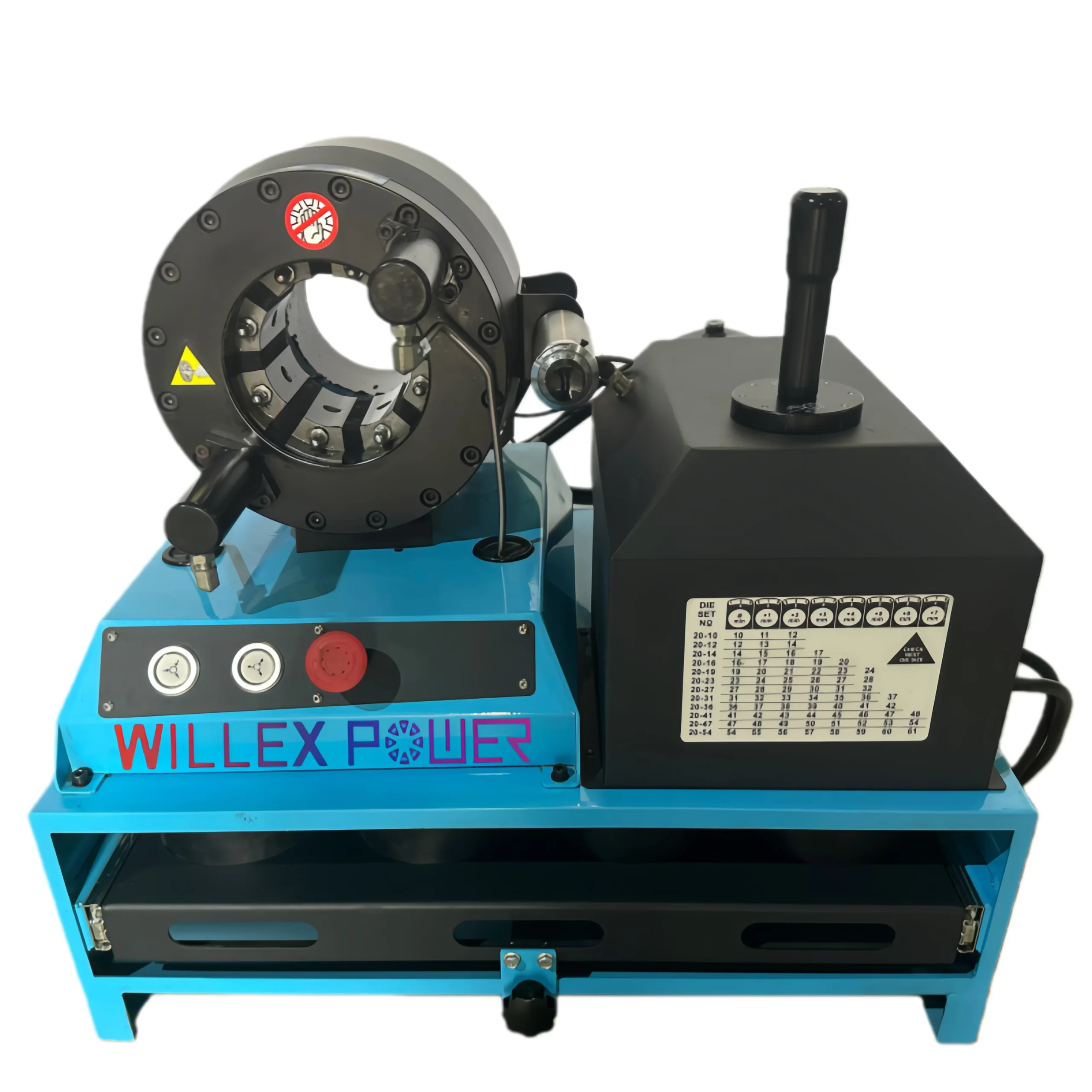
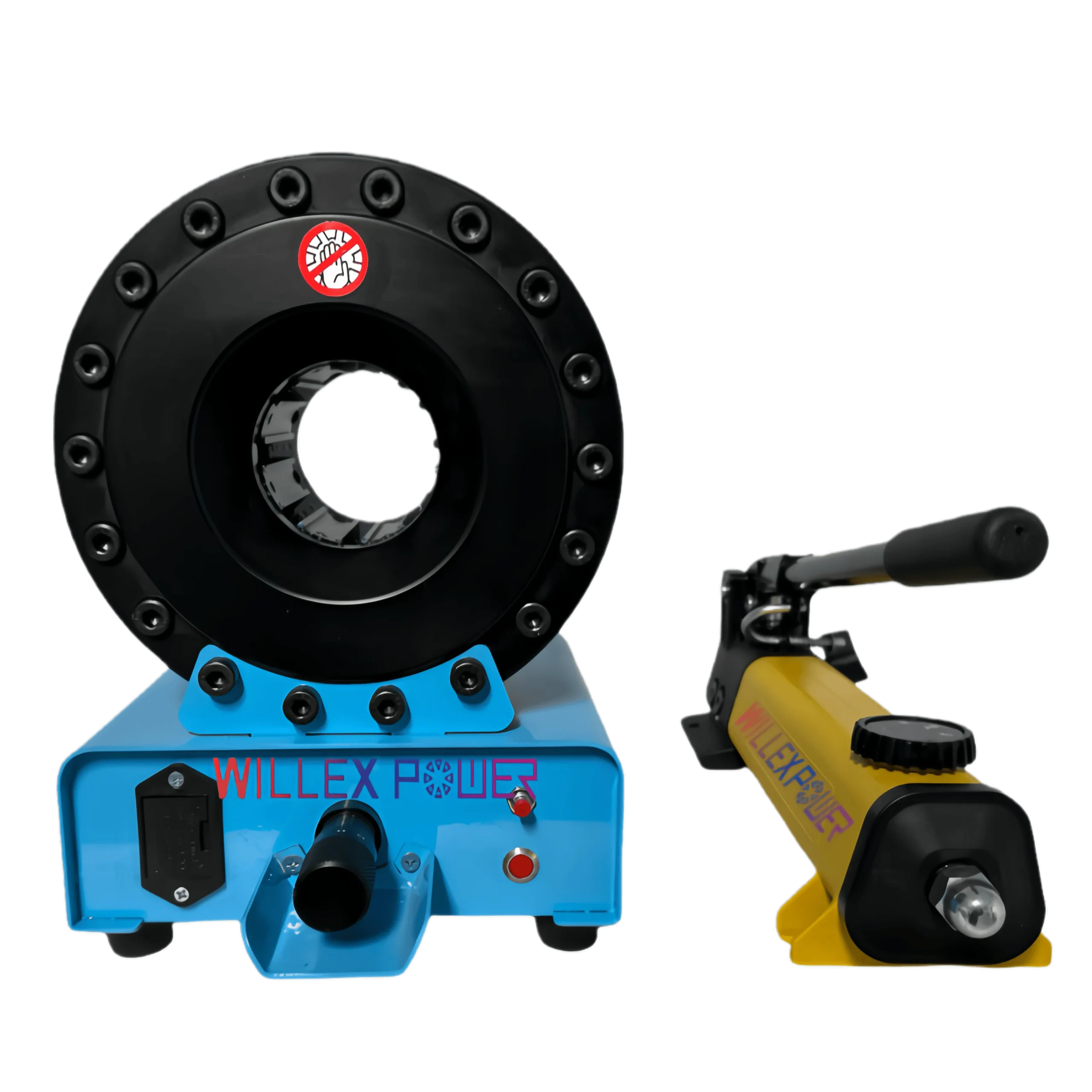
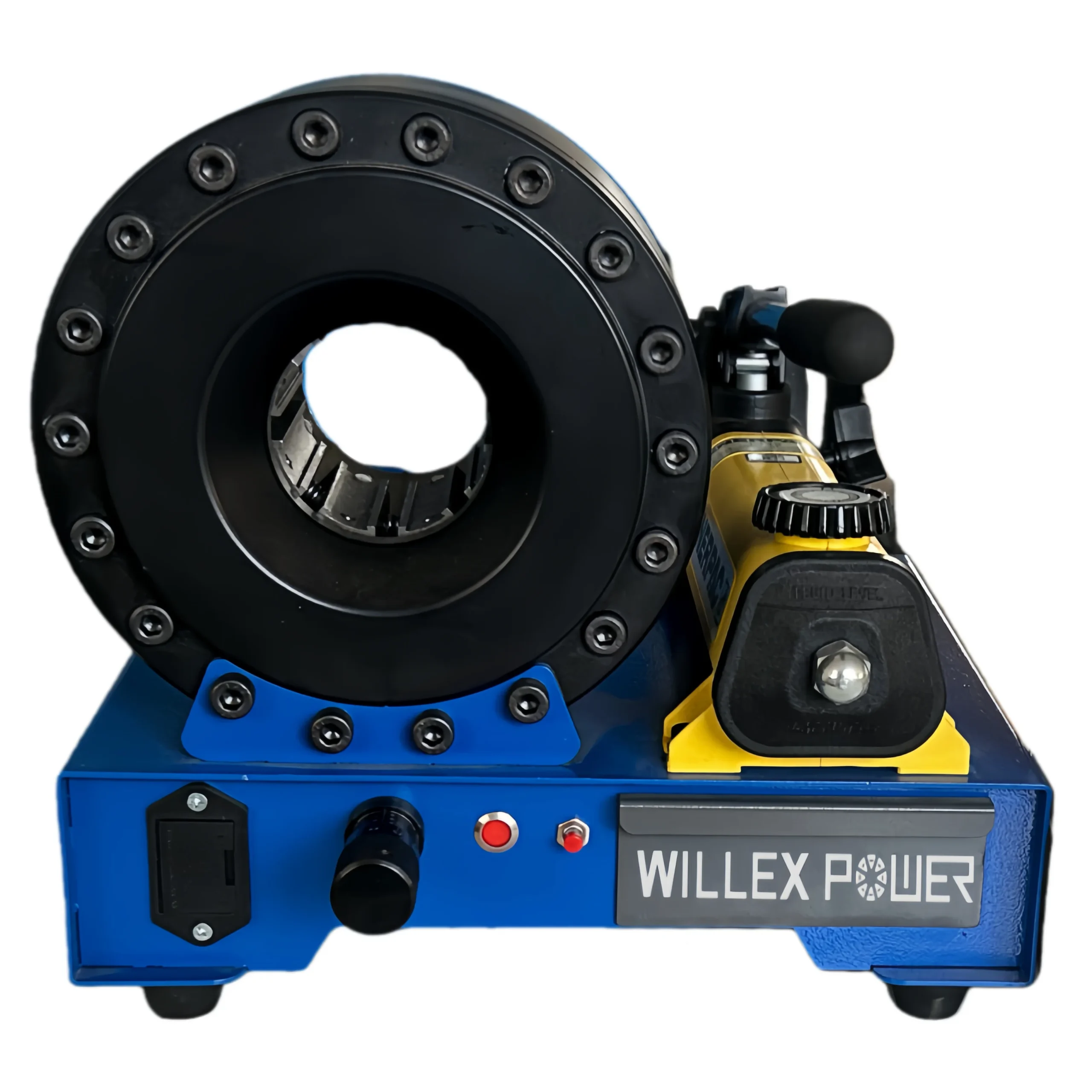
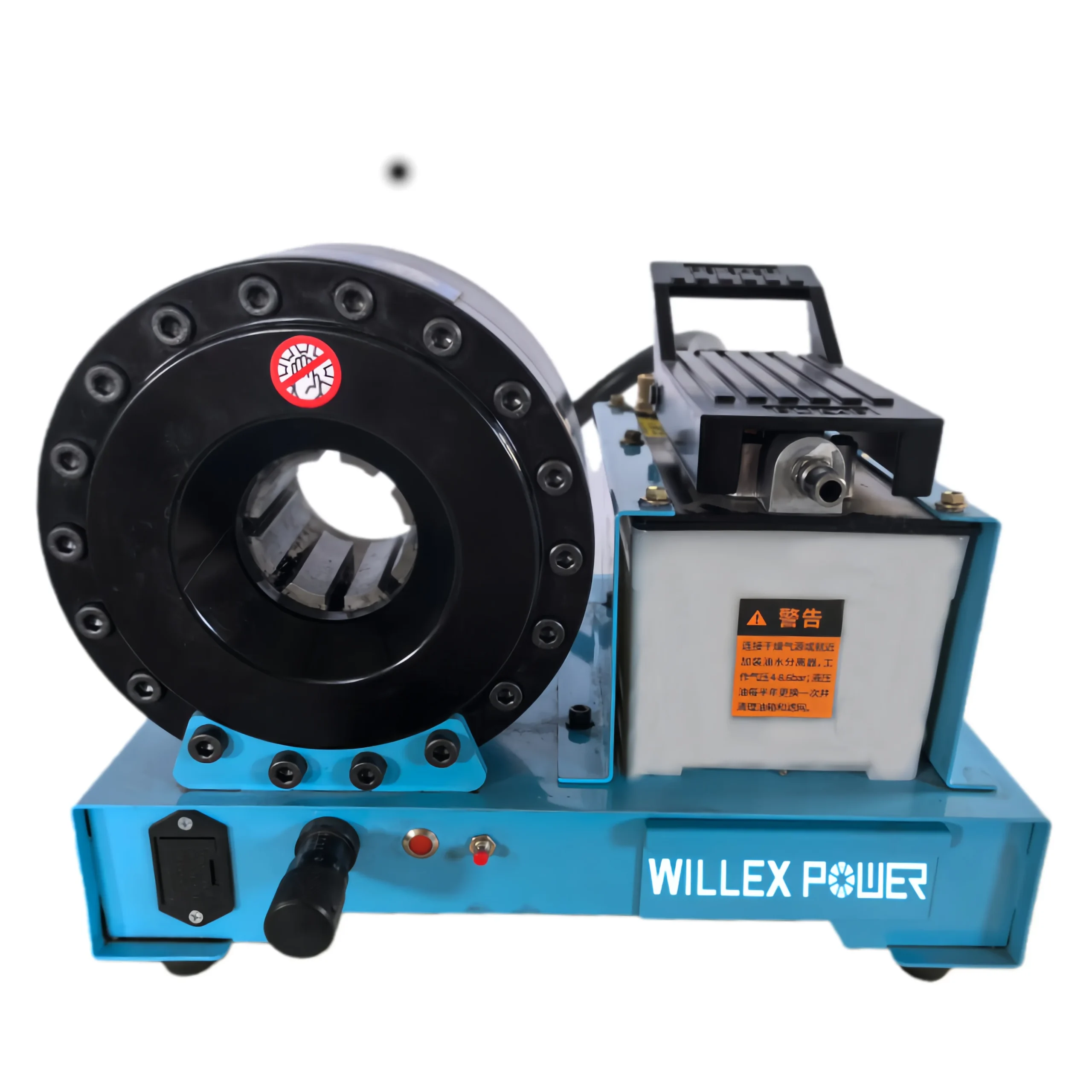
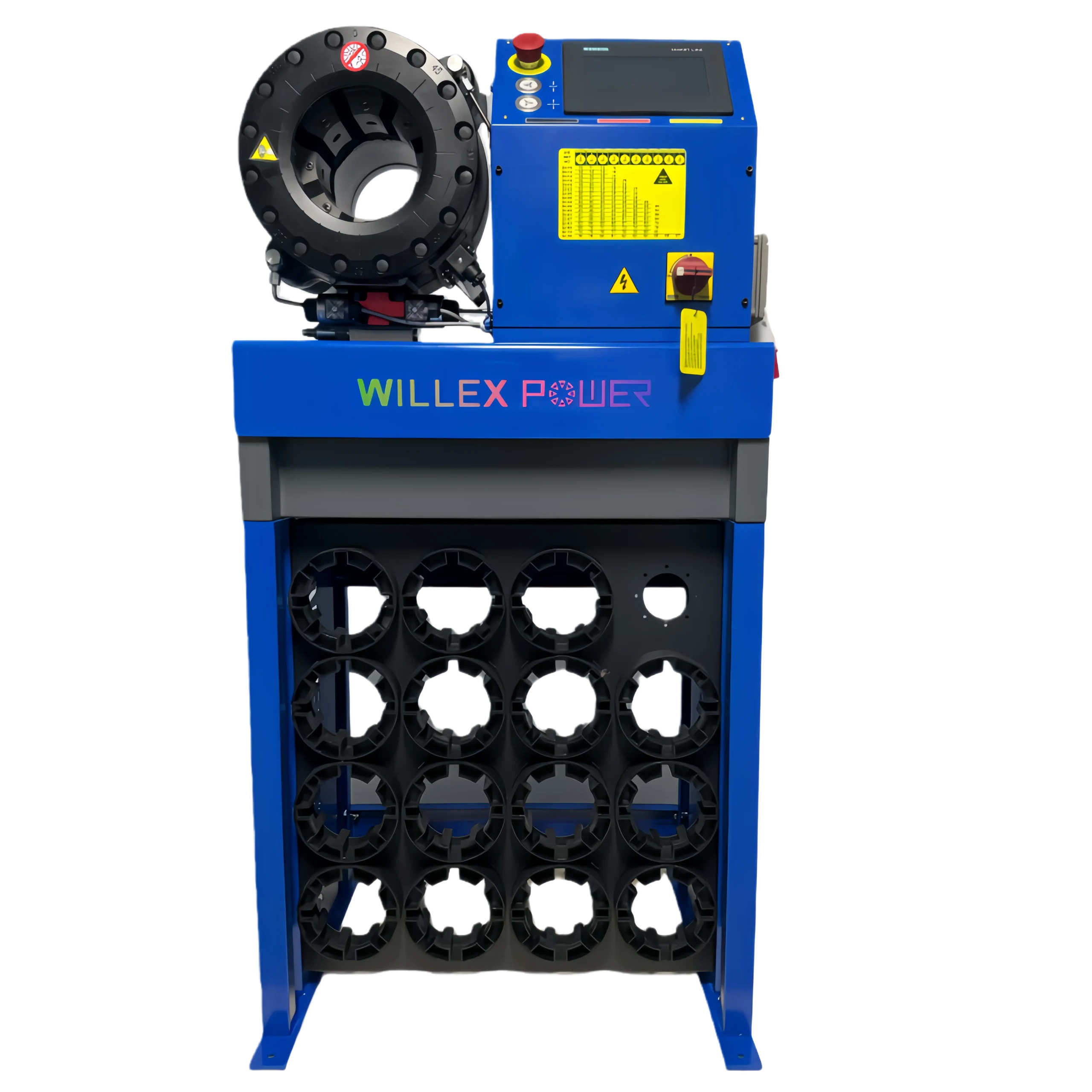
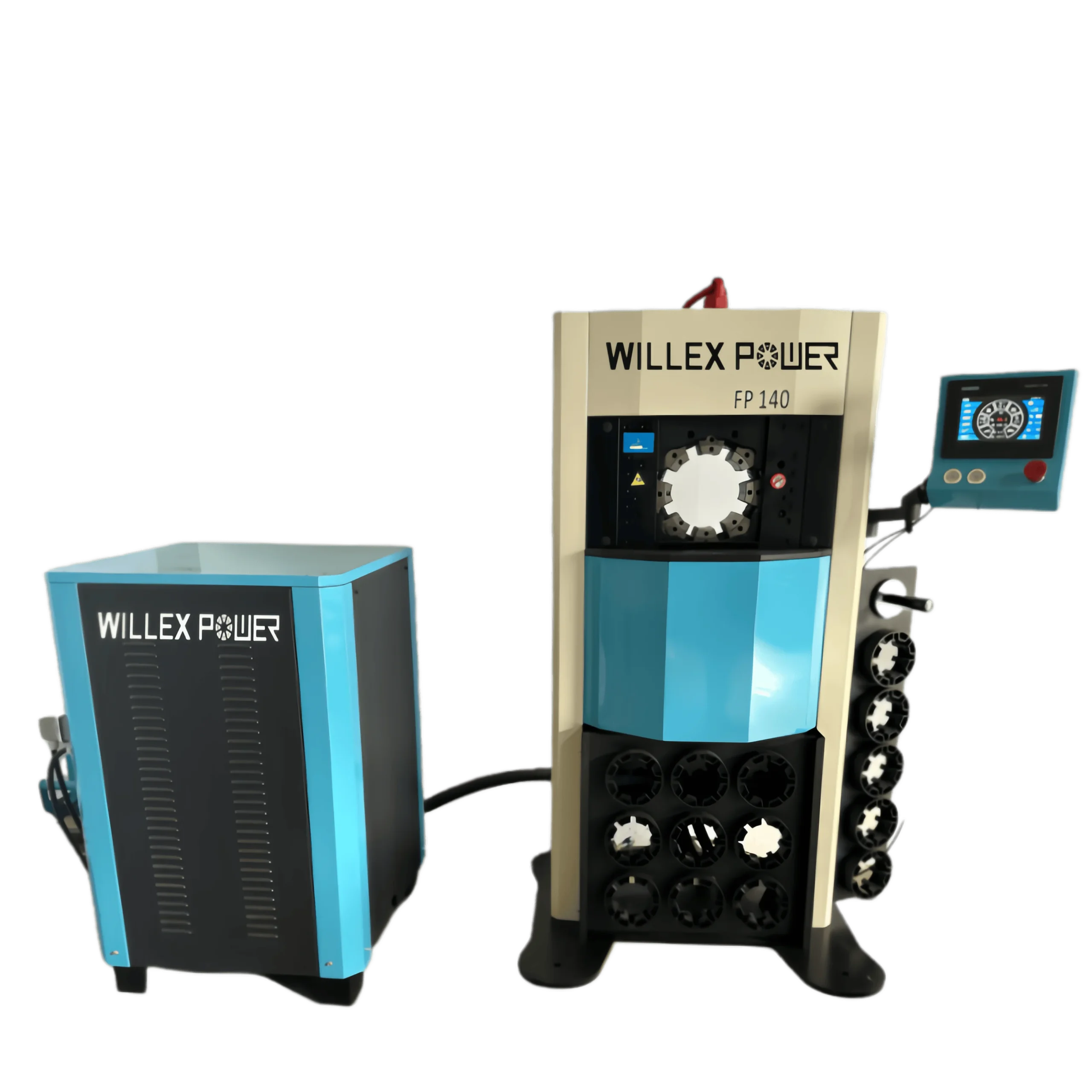
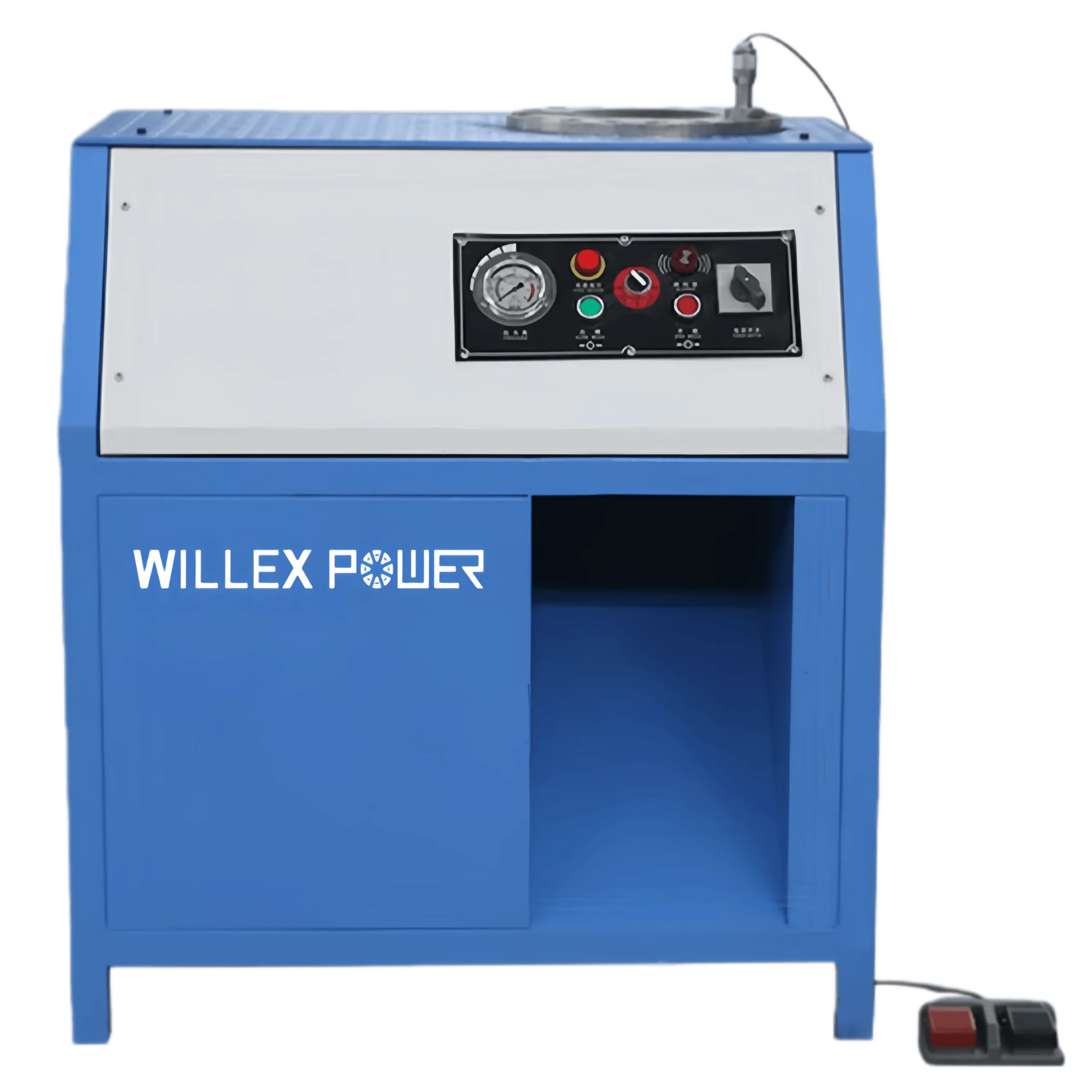
It's worth noting that many engineers I talk to appreciate the blend of affordability and function these Chinese tools deliver. One small story: a maintenance lead at a manufacturing firm told me their Willex hydraulic crimper saved them hours during an emergency hose replacement. It’s those kinds of moments that kind of seal the deal for many.
So, if you find yourself needing a dependable China hydraulic line crimping tool, know that the landscape has plenty to offer. The ongoing improvements in manufacturing technology and quality control shouldn’t be underestimated—if you buy wisely, you’ll get excellent value.
In real terms, it feels like Chinese hydraulic crimpers have quietly carved out a respected space in an industry that demands nothing less than precision and durability.
Thanks for sticking with me here. If you’re interested, take a peek at what’s available—you might just be surprised at the quality and pricing out there.
References:
1. Hydraulic Hose Assembly Manual, Parker Hannifin.
2. Industry Insights Report on Hydraulic Tools, 2023.
3. Personal interviews with field engineers and equipment testers, 2022–2024.
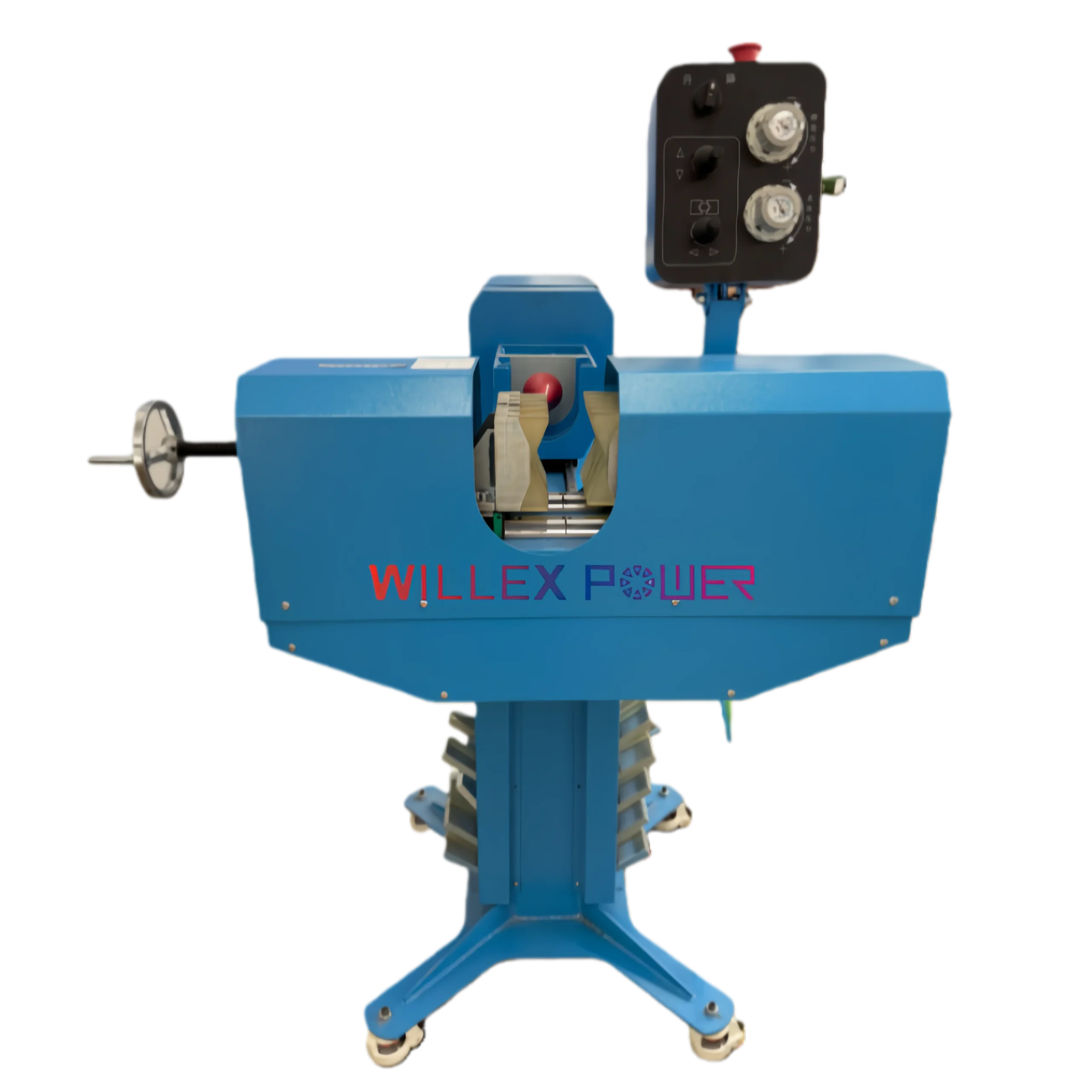
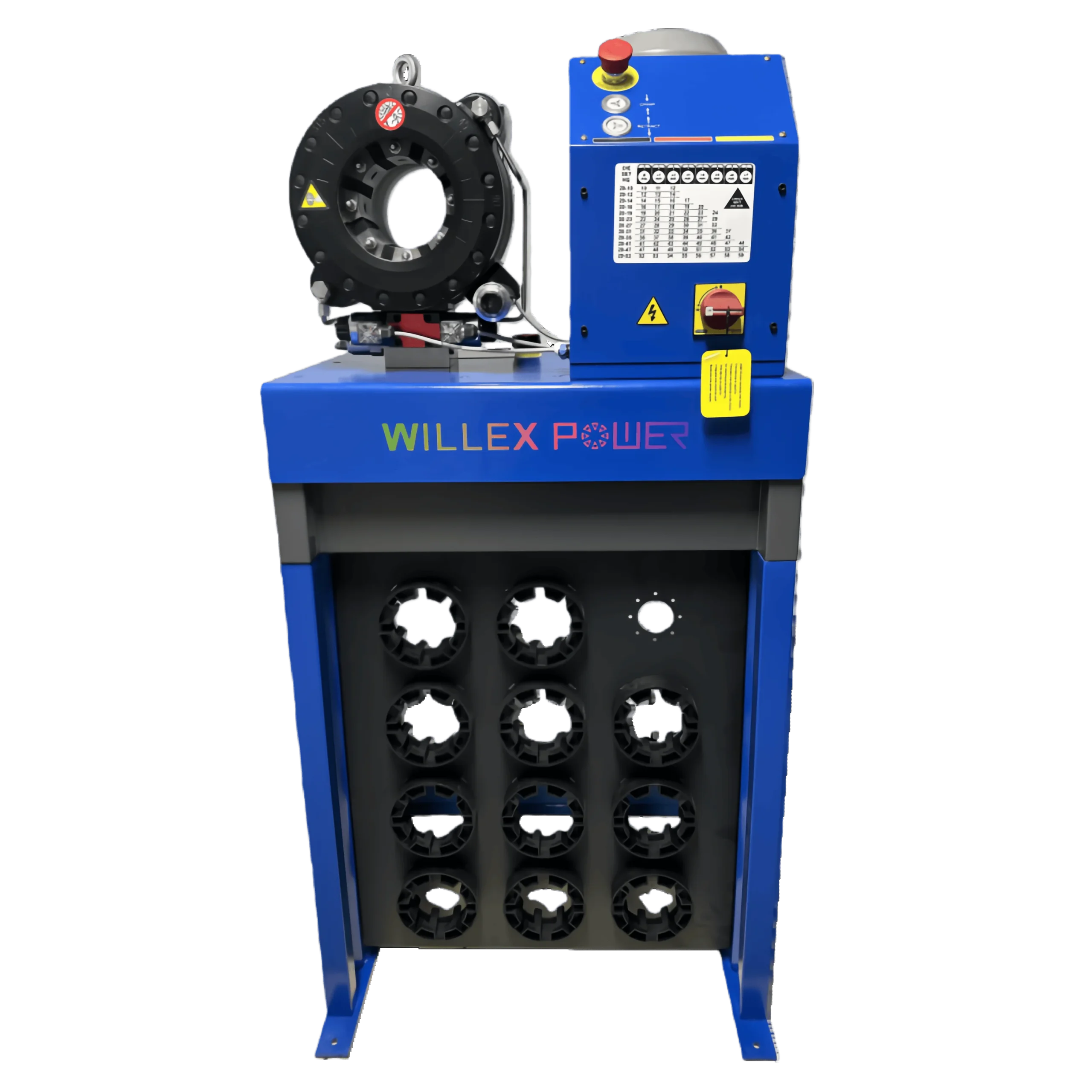
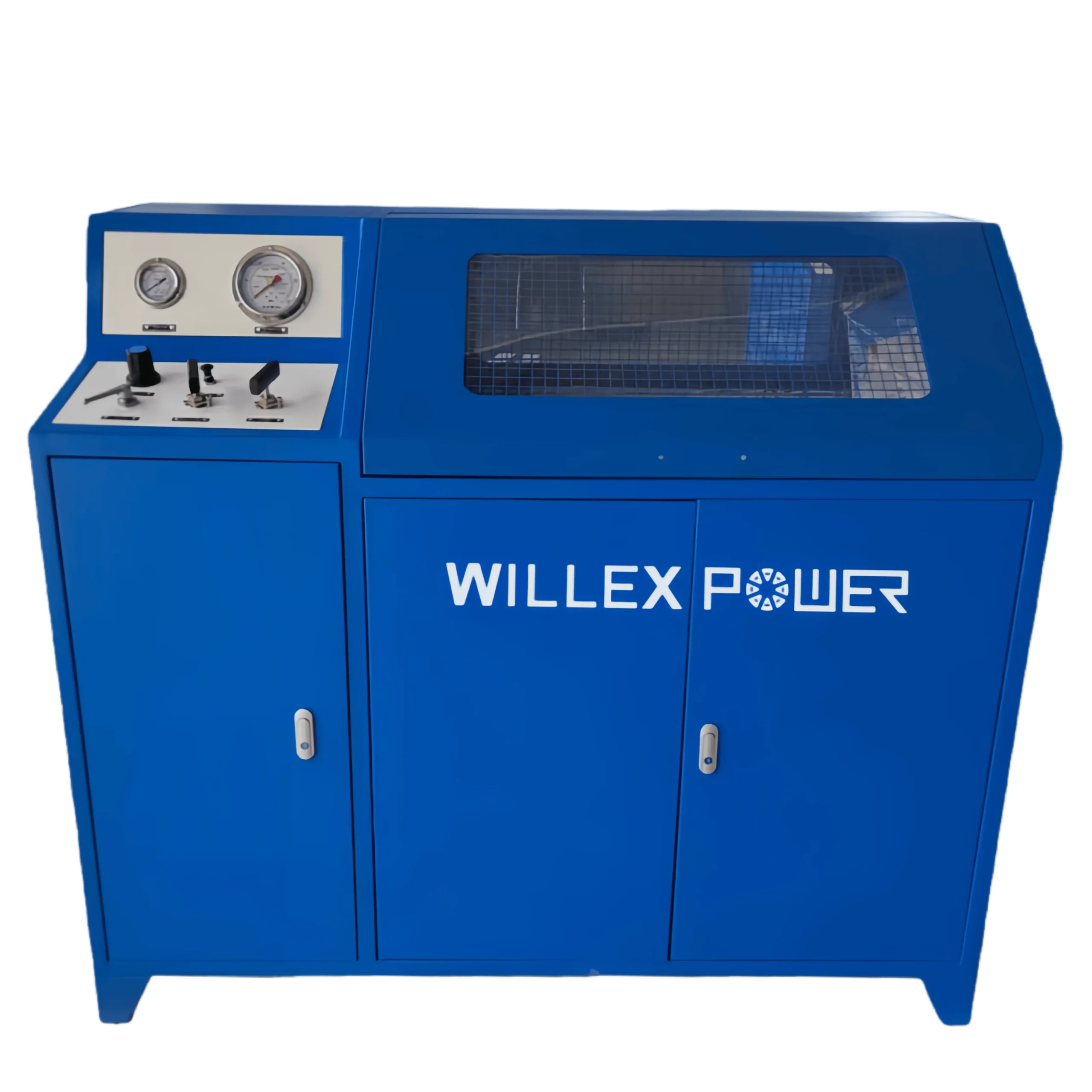
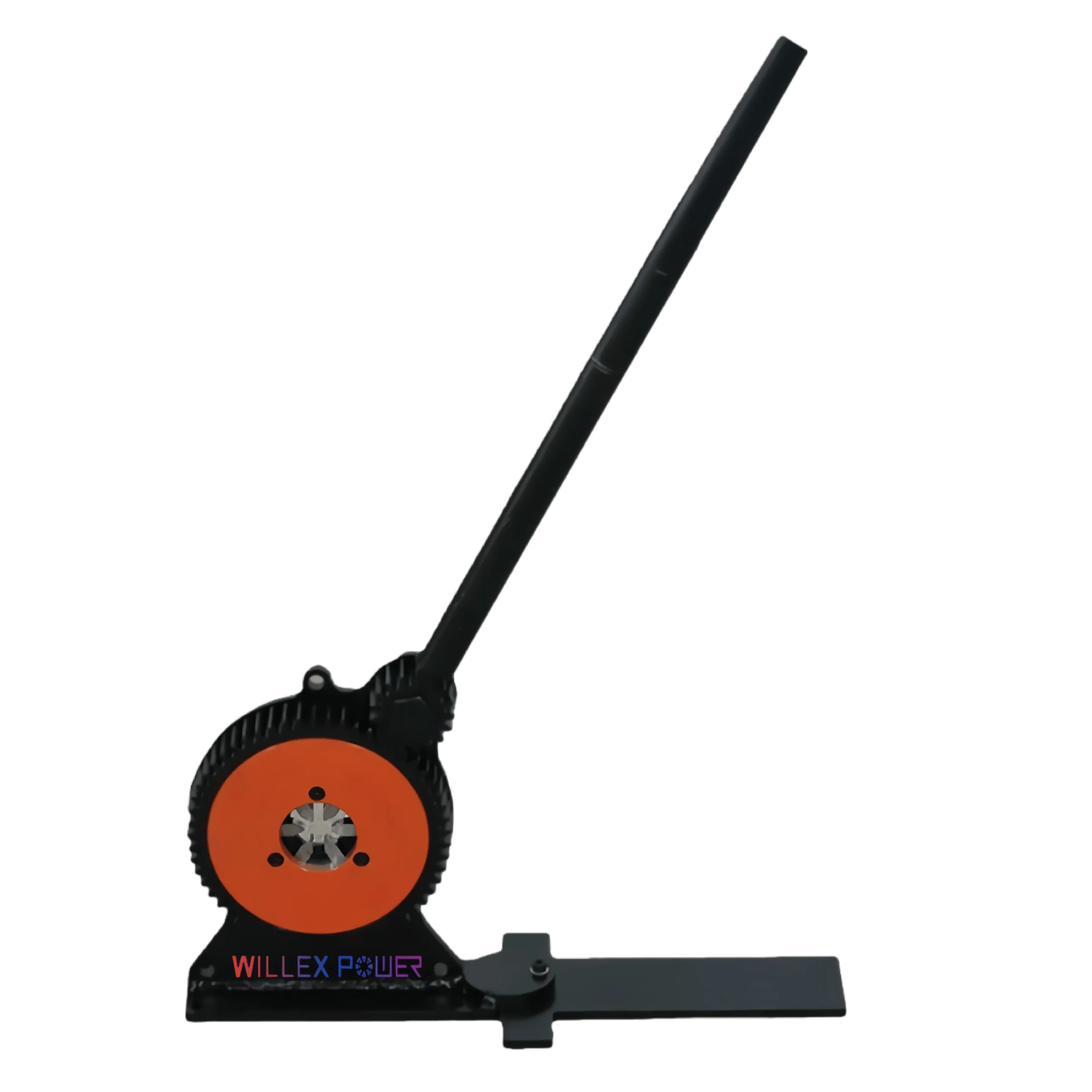
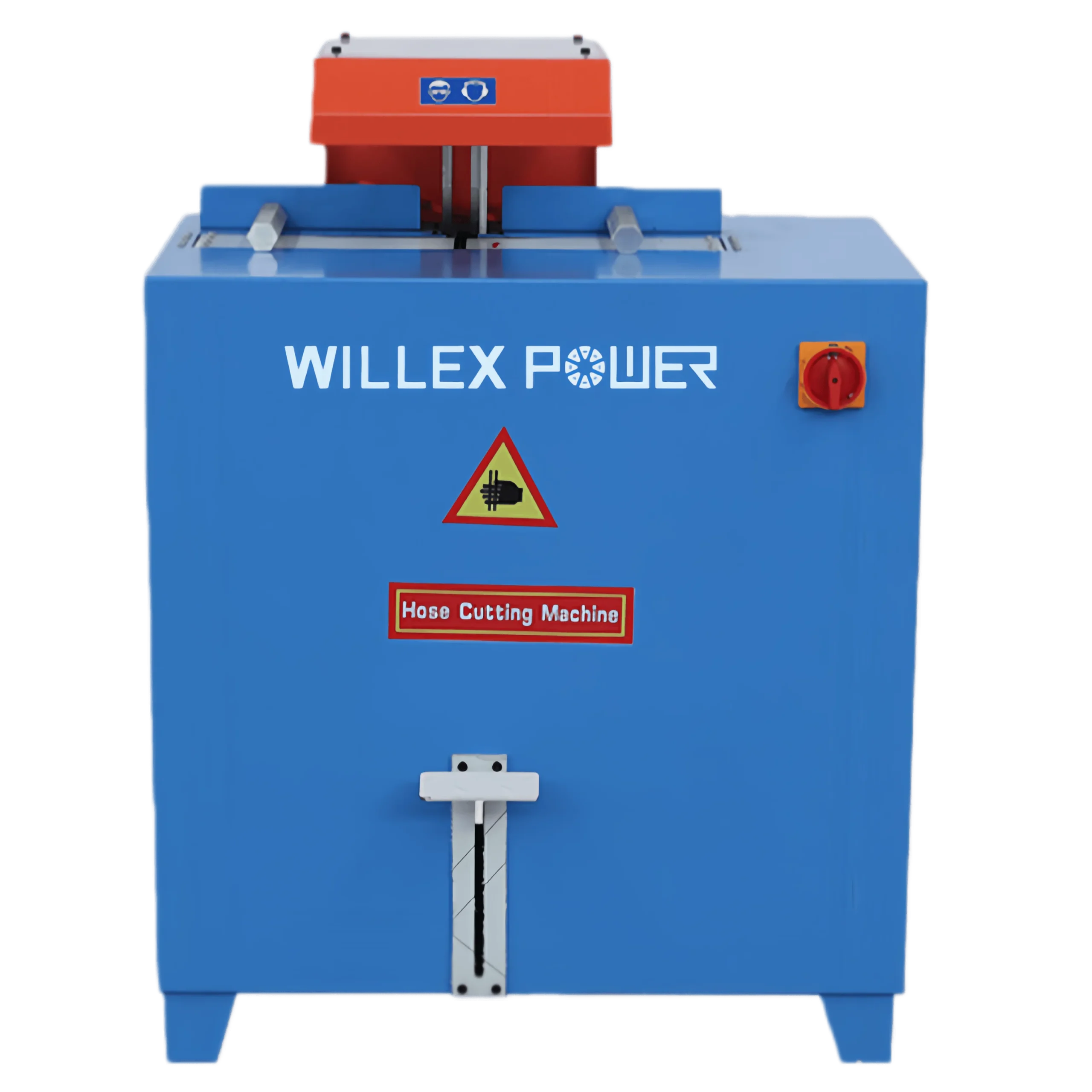
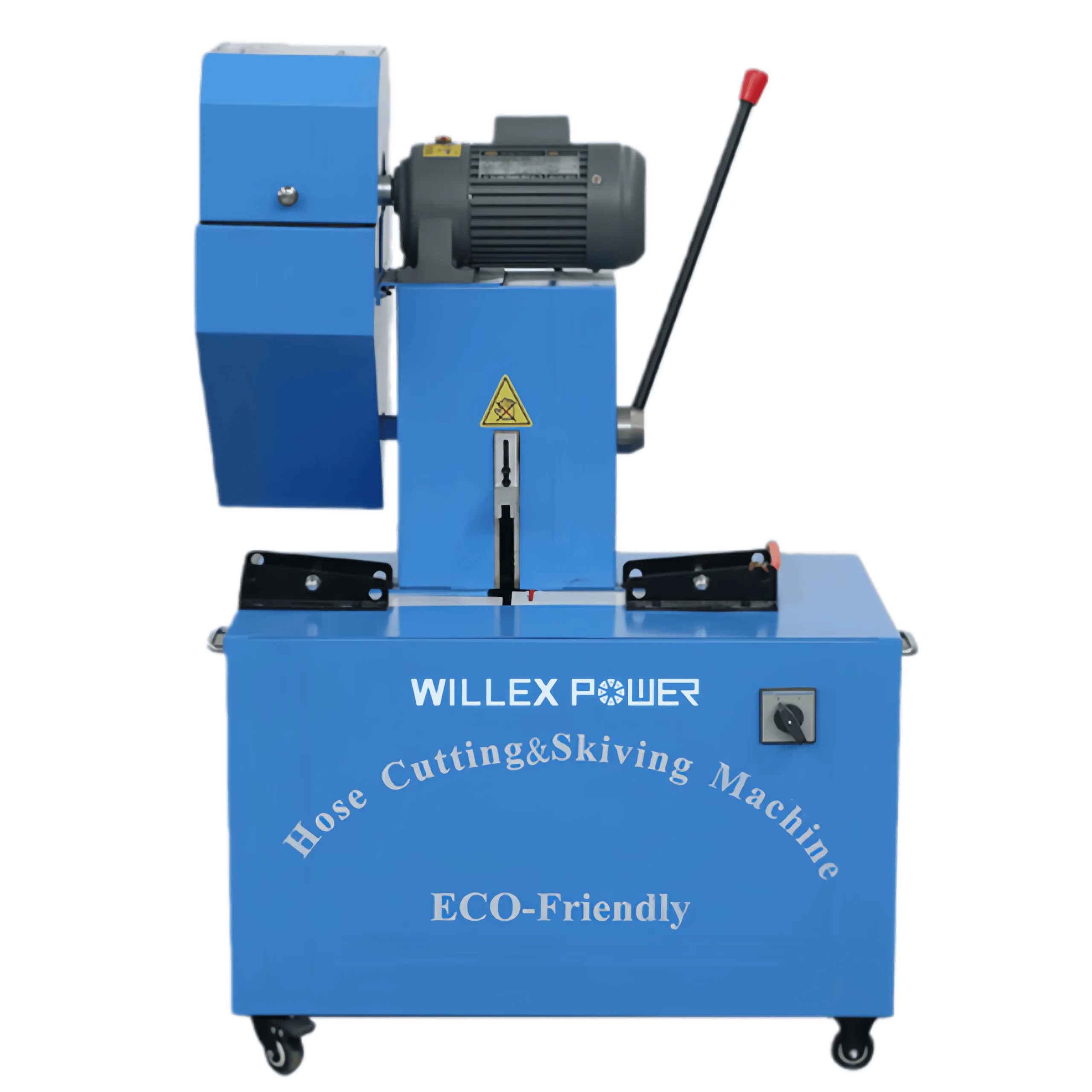
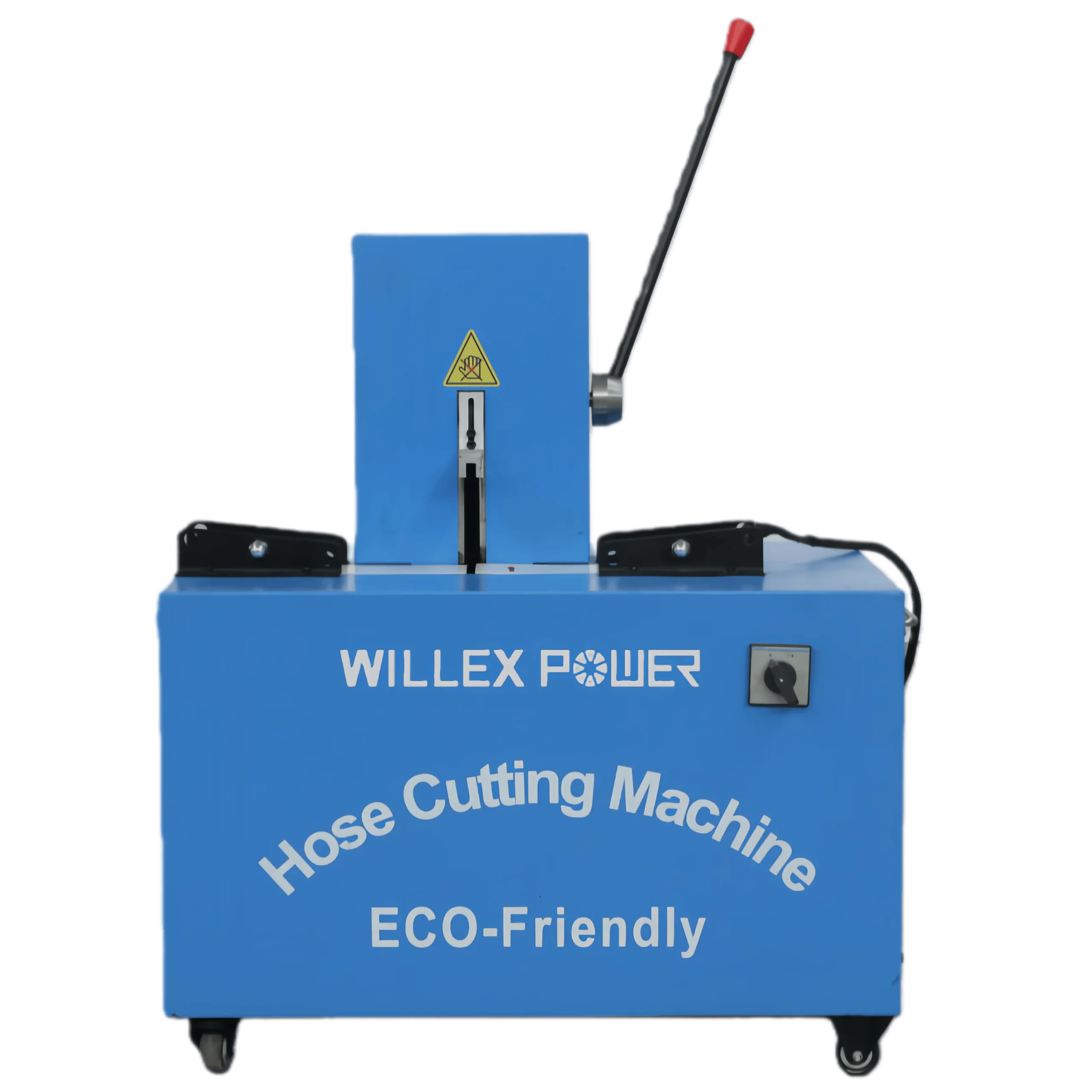
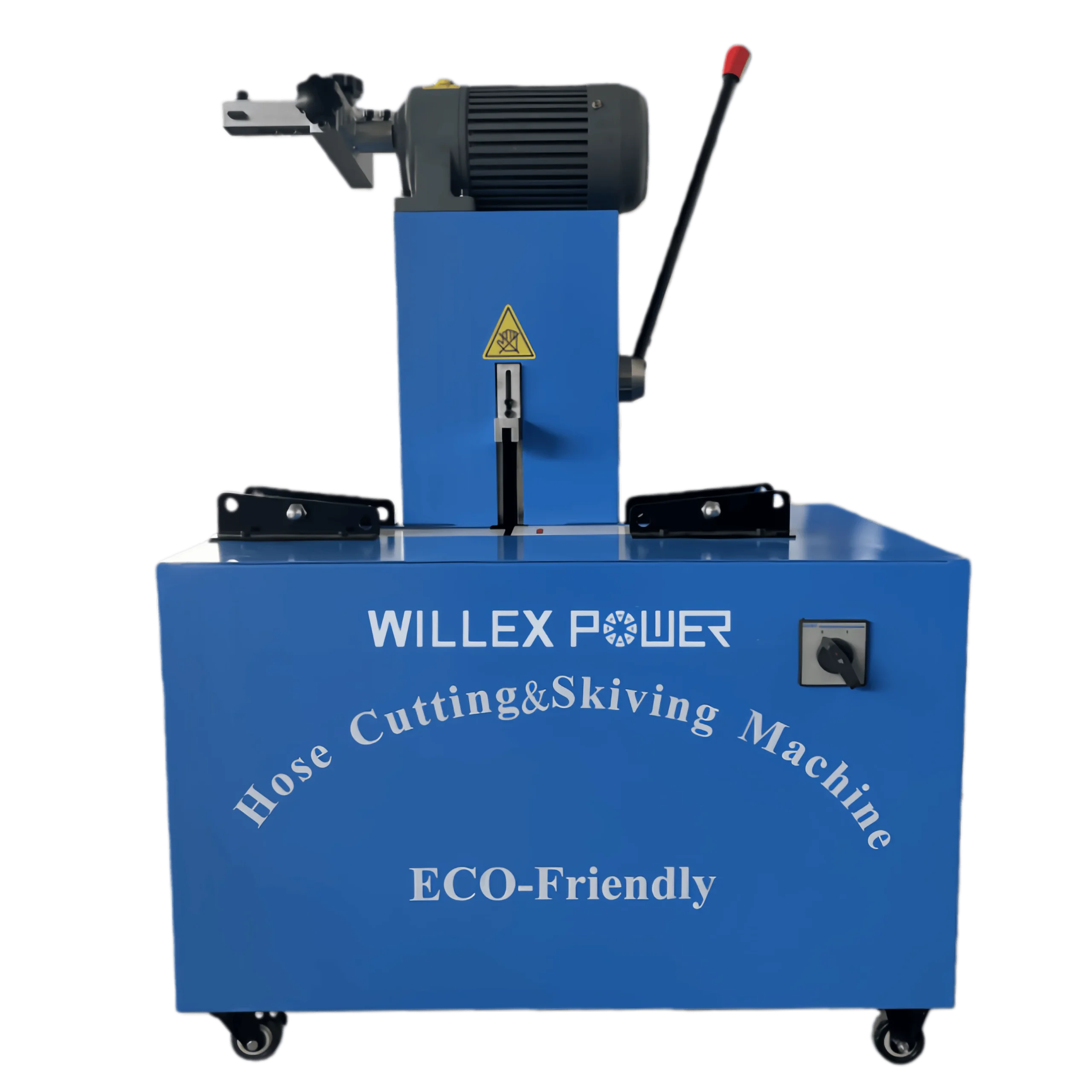
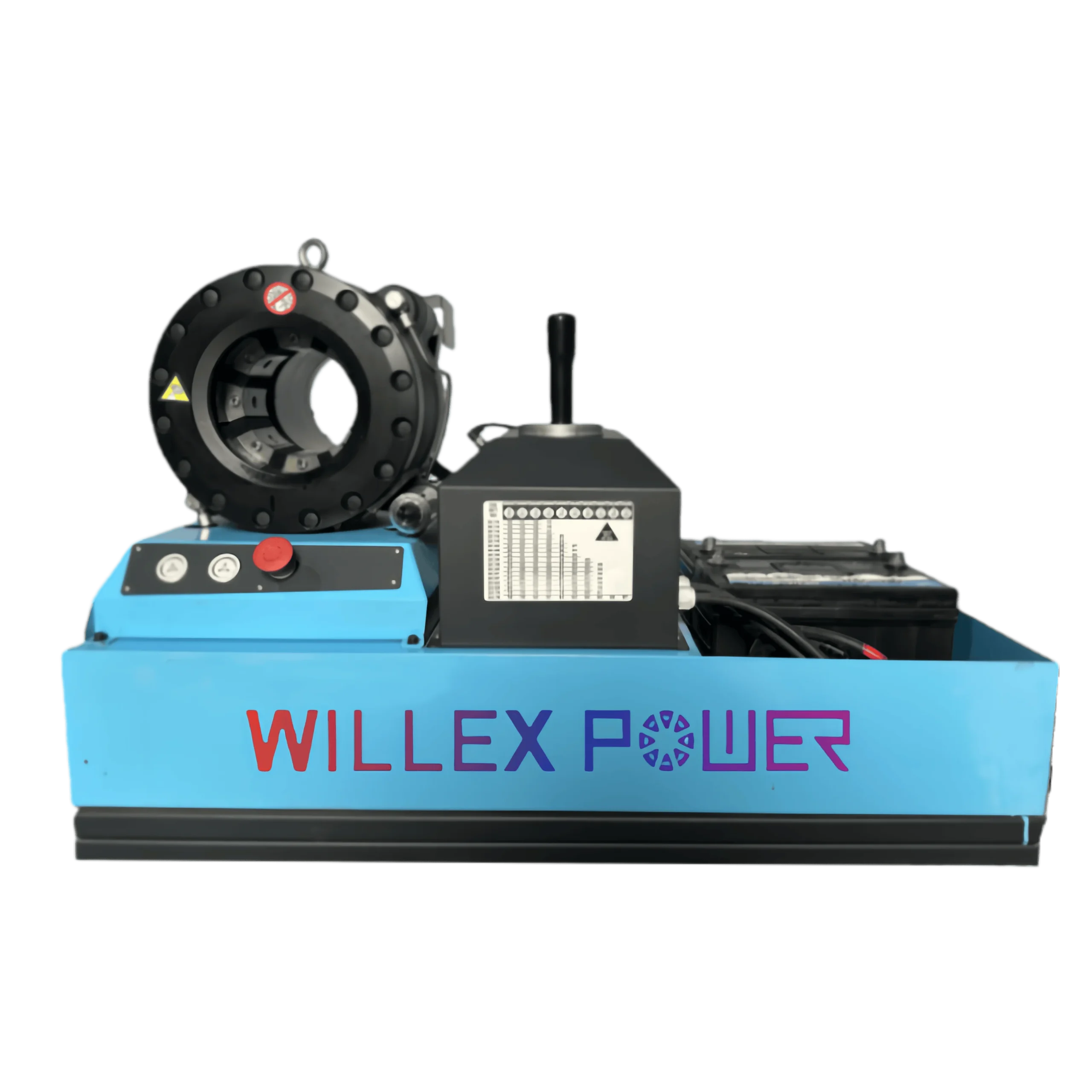
-20260121013914-scaled.webp "WILLEX POWER DZW-A10-1 Hose Crimping Machine")
-20260121014427-scaled.webp "Hose Crimping Machine DZW-A10")
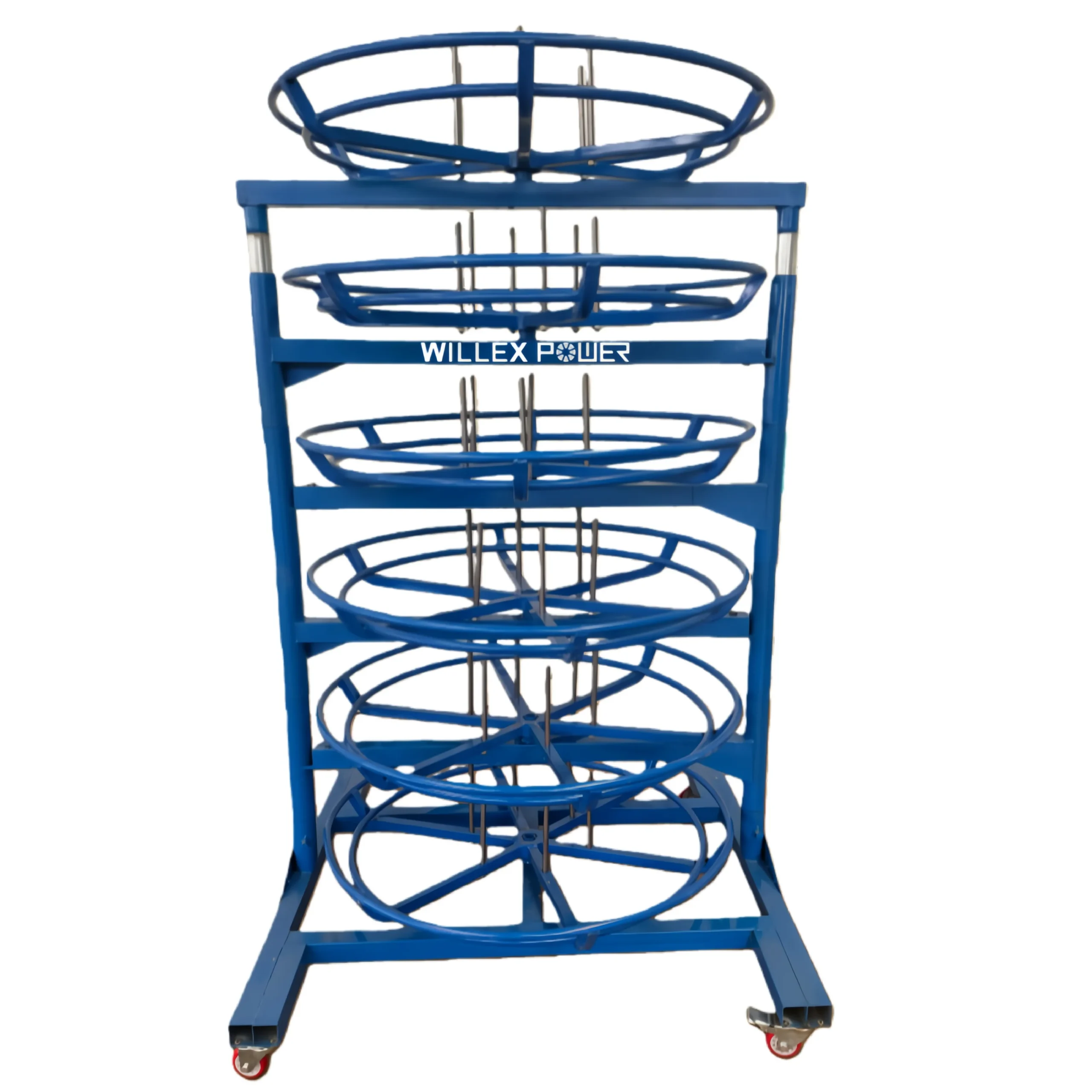
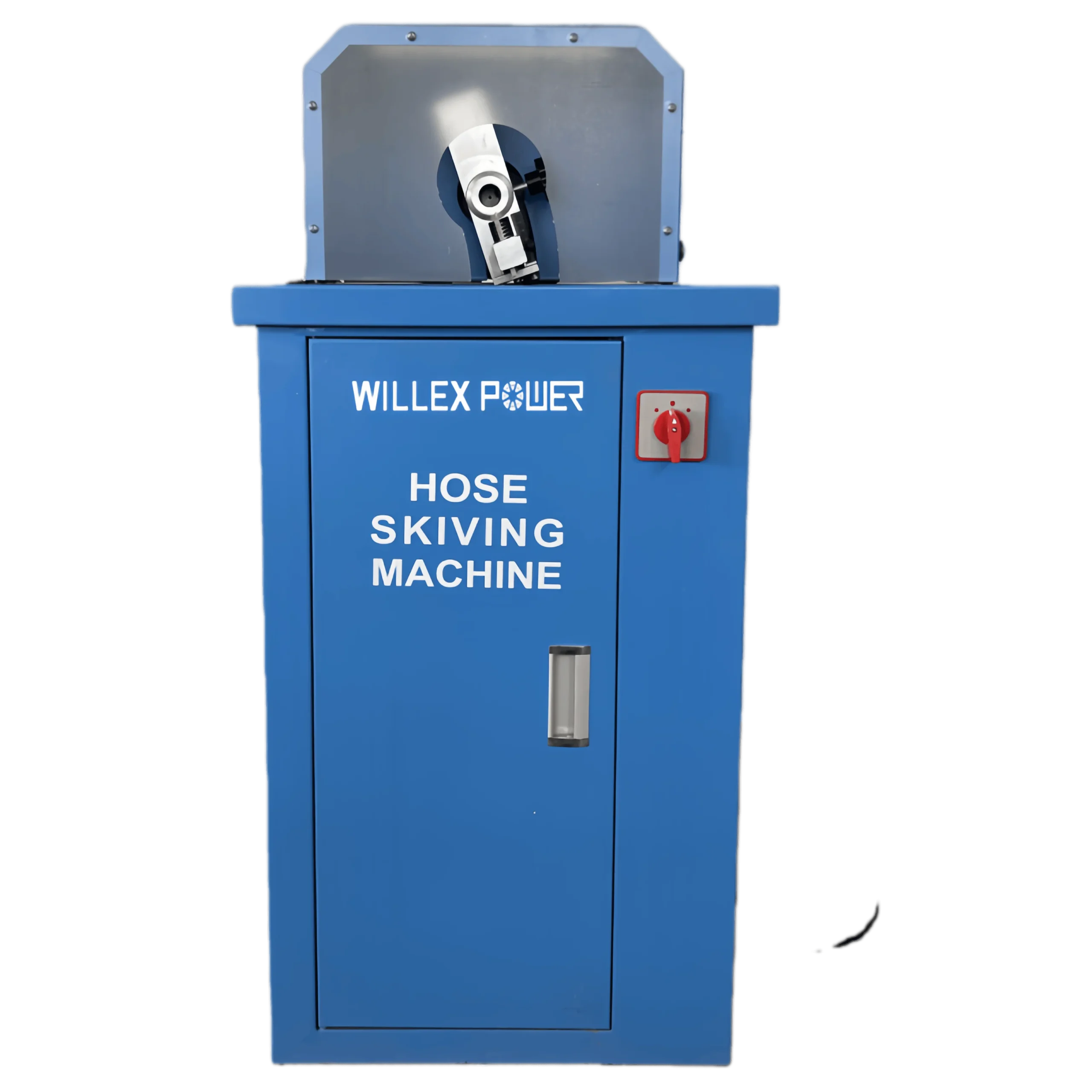
-20260121015636-scaled.webp "Hose Skiving Machine DZW-51BJ-M")
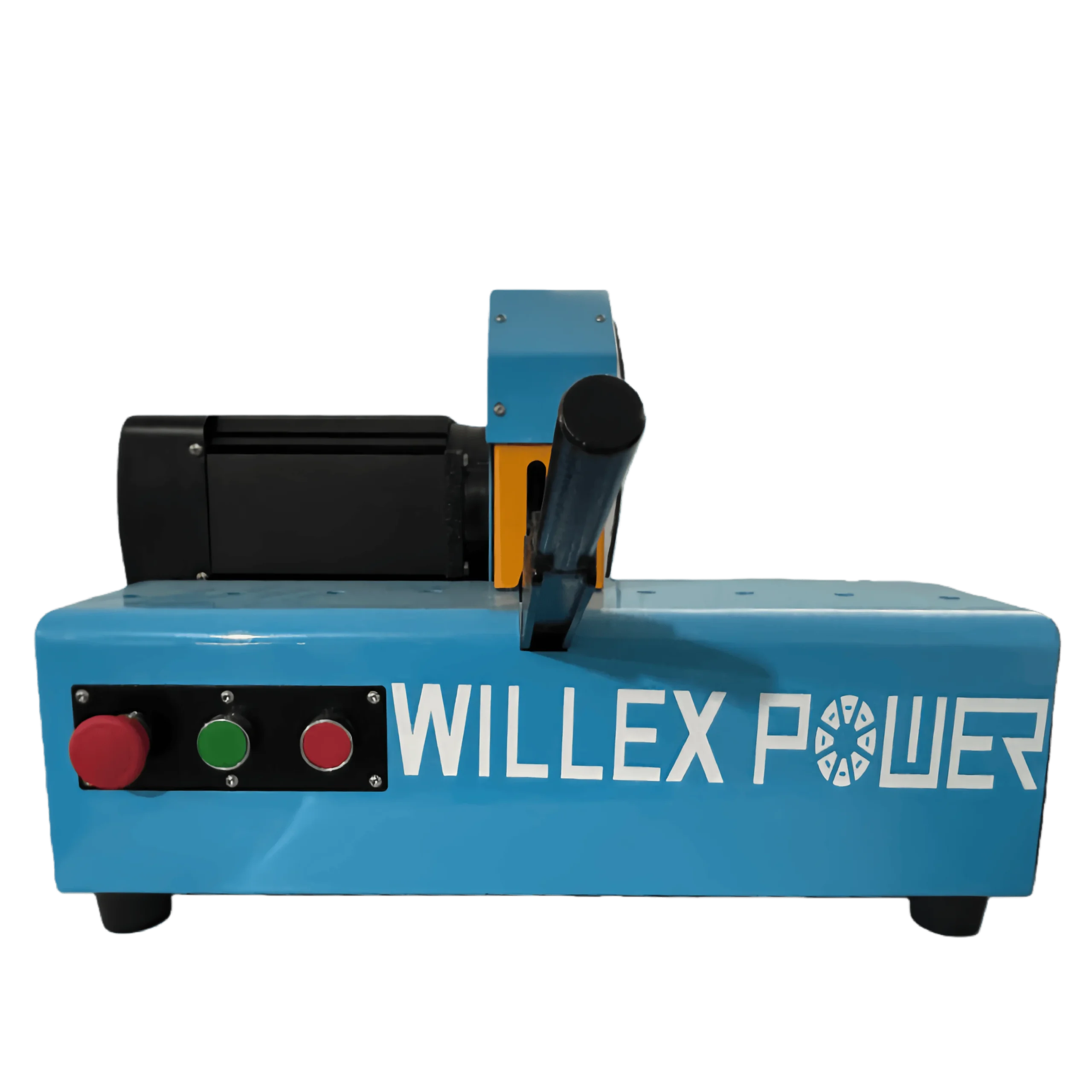
-20260121015753-scaled.webp "Hose Skiving Machine DZW-51BJ-C")
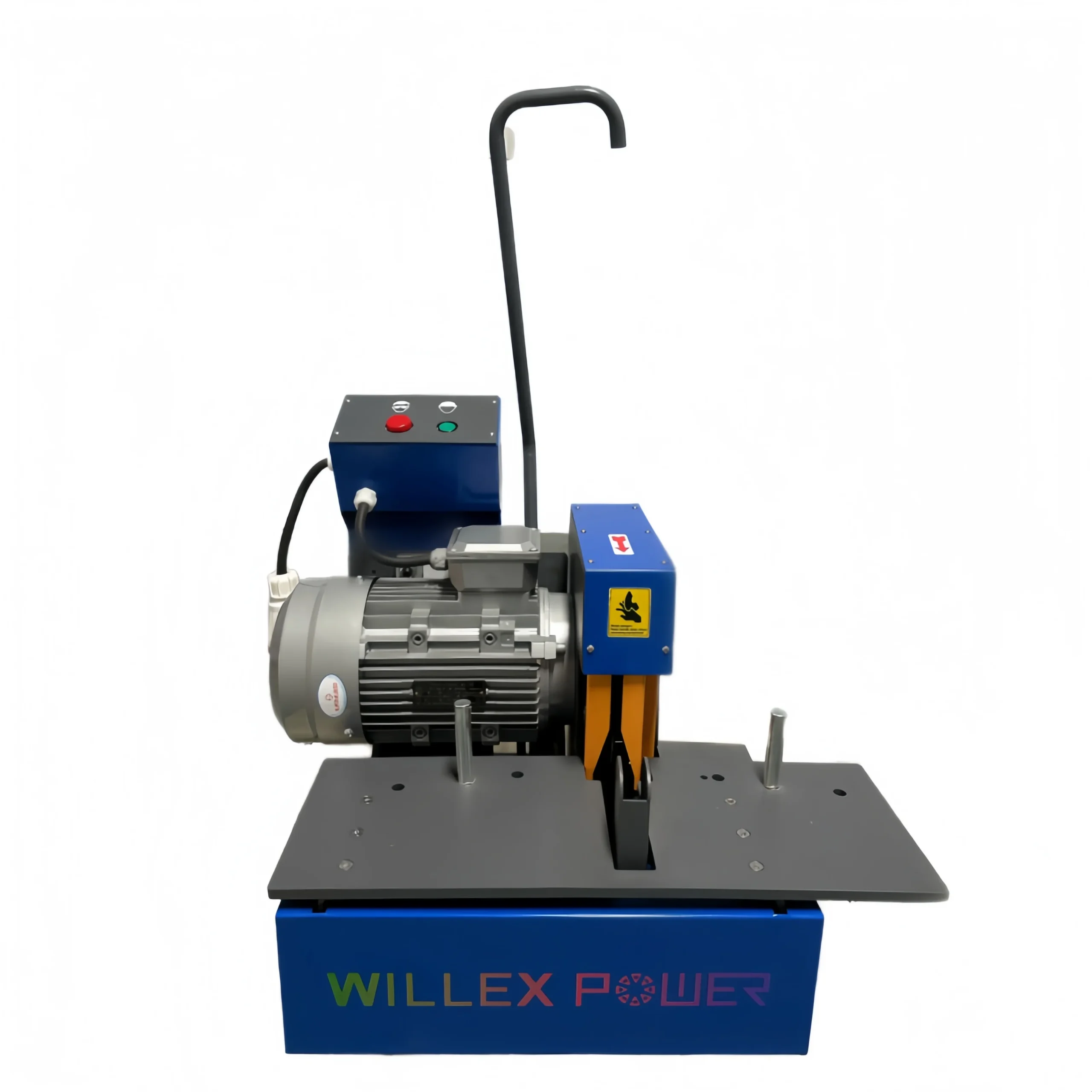
-20260121020311-scaled.webp "Hose Skiving Machine DZW-51BJ-E")