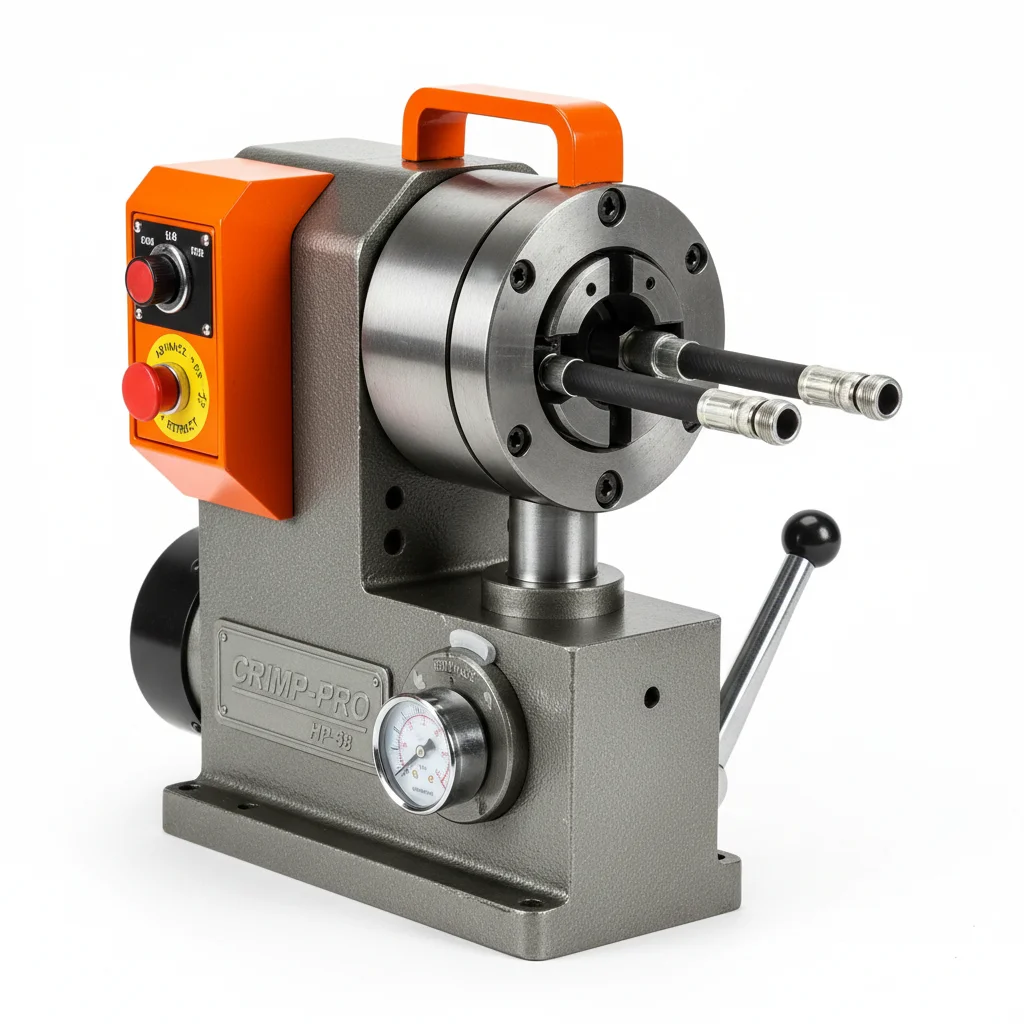
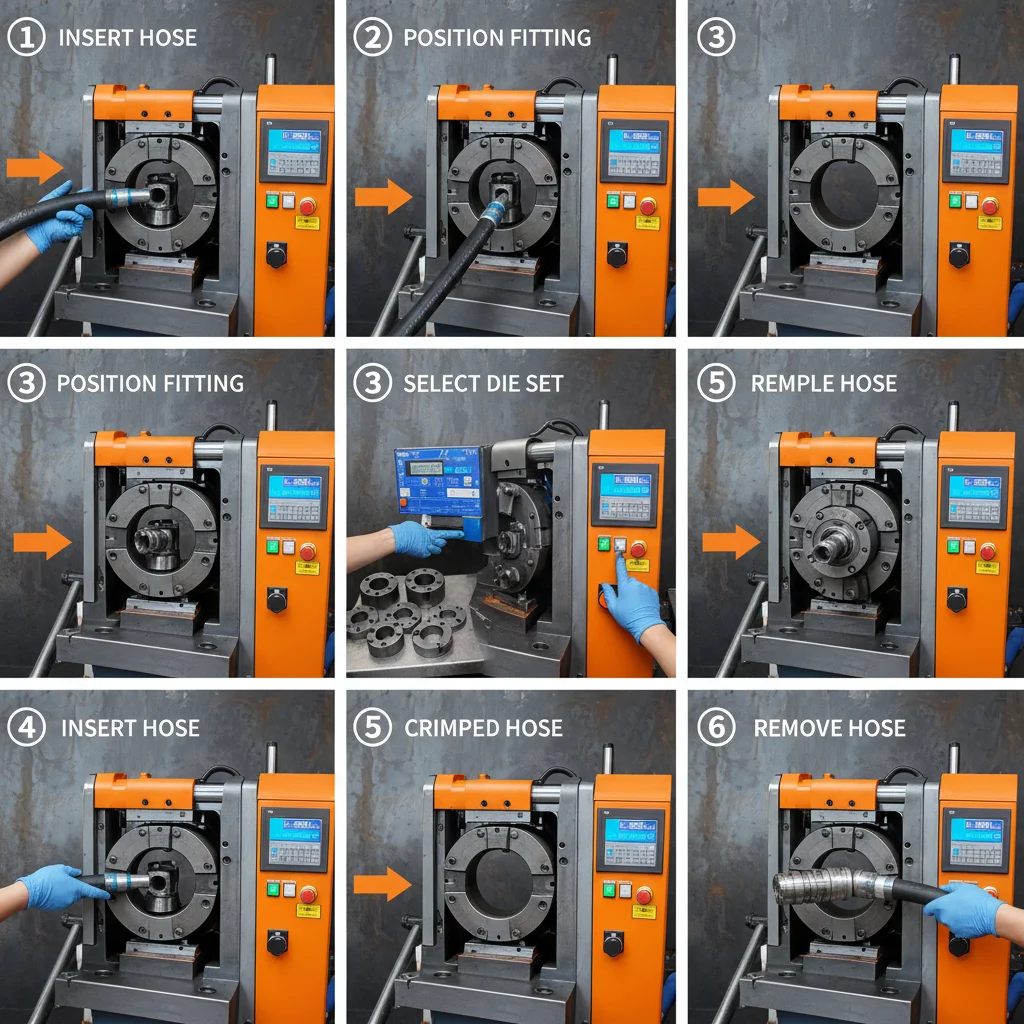
Sharing Hydraulic Hose Crimping Machine Operating Tips
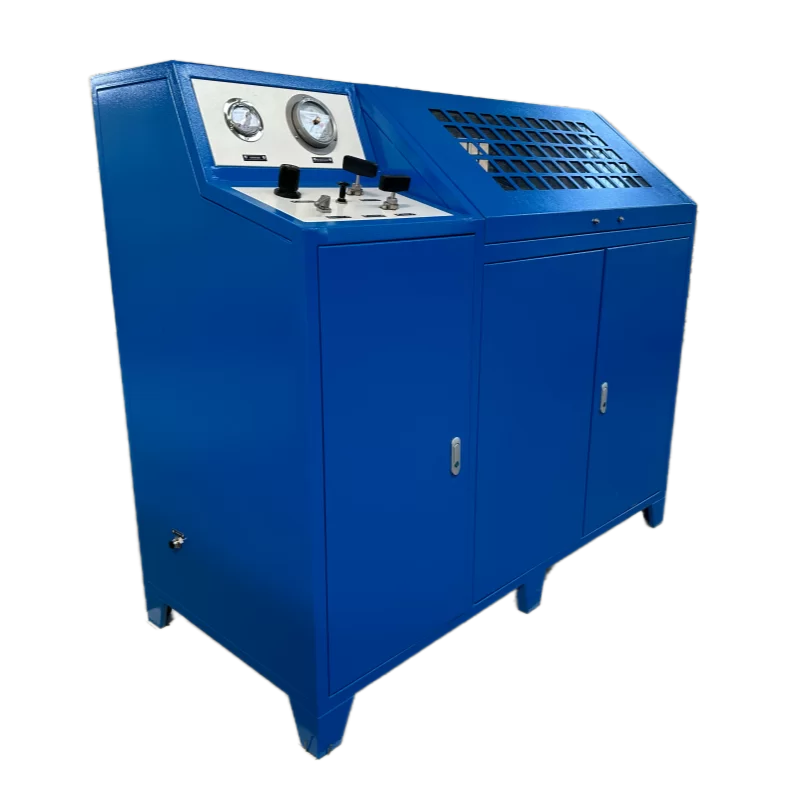
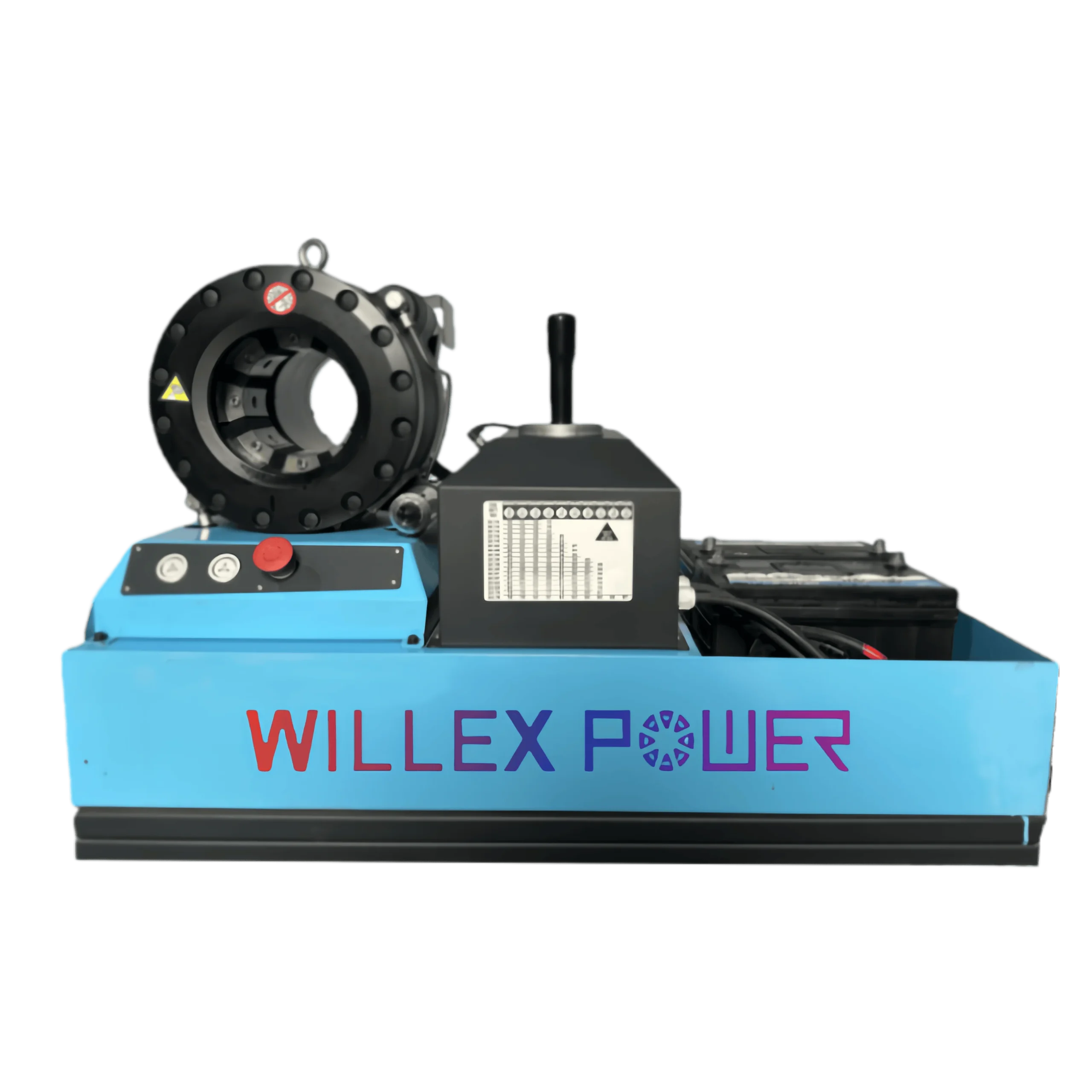
Operating a hydraulic hose crimping machine requires not only standardized procedures but also practical techniques to improve crimp quality, extend equipment life, and reduce scrap. Here are some tips and tricks to improve crimping quality:
I. Tips for Improving Crimping Quality
1. Accurately Control the Crimping Amount
- Using a Caliper: Measure the hose's outer diameter with a vernier caliper before and after crimping to ensure the compression meets the standard (e.g., a Φ10mm hose should be crimped to Φ9.2-9.5mm).
- Refer to manufacturer specifications: The compression amount may vary between different brands of hoses and connectors; be sure to consult the technical manual.
- Pressure Test Verification: Before crimping your first batch, perform a test crimp of 3-5 hoses (1.5 times the working pressure) to confirm there are no leaks before continuing production.
2. Ensure alignment between the hose and connector
- Using a Positioning Stop: Adjust the mold position to ensure consistent hose insertion depth and avoid misalignment.
- Manual Pre-Tightening: Before crimping, manually rotate the connector to ensure a tight fit with the hose to prevent loosening after crimping.
3. Avoid Over- or Under-Crimping
- Over-crimping: This can cause the hose's inner layer to crack and the outer wire to deform, reducing its pressure resistance.
- Under-crimping: The connector can easily loosen, potentially causing oil spraying under high pressure.
- Adjustment Tips: If the connector can be manually rotated after crimping, it's under-crimped; if the hose's outer sheath is noticeably cracked, it's over-crimped.
II. Tips for Extending Equipment Life
1. Correctly Selecting Dies
- Matching Hose Specifications: Use corresponding dies for hoses of different diameters; do not mix them.
- Regularly Check for Wear: Inspect the die for wear after approximately 5,000 uses. Replace any dents or deformation.
2. Keep the Hydraulic System Clean
- Regular Oil Changes: It's recommended to change the hydraulic oil every 6 months or 2,000 hours to prevent impurities from affecting the cylinder's life. - Filter Maintenance: Regularly clean or replace the hydraulic oil filter to prevent oil line blockage.
3. Avoid Operating the Machine Without a Load
- Air Pressure Can Damage the Die: Starting the crimping machine without a hose can cause the die to jar and reduce accuracy.
- Depressurize Before Shutdown: Release hydraulic system pressure after extended periods of non-use to prevent seal degradation.
III. Efficiency Improvement Techniques
1. Optimize Processes During Mass Production
- Pre-assemble Fittings: Pre-install fittings onto the hose to reduce clamping time.
- Use an Automatic Crimping Machine: For mass production, choose a CNC crimping machine that automatically runs after setting parameters to improve consistency.
2. Quickly Adjust Dies
- Use a Quick-Change Die System (if available): Some high-end crimping machines support rapid die changes, reducing downtime.
- Mark Common Parameters: Mark the crimping parameters for different hoses on the machine to avoid repeated adjustments.
3. Reduce Scrap
- First-Part Inspection: After crimping the first hose in each batch, perform a dissection to confirm uniform compression of the core tube.
- Random Inspection System: For every 20-30 crimped hoses, inspect one and perform a pressure test.
IV. Quick Troubleshooting Tips for Common Problems
Problem Possible Cause Quick Solution
Oil leakage after crimping Insufficient crimping pressure / Mismatched connectors: Fine-tune and increase the crimping pressure, or replace a qualified connector.
Hose cracking Over-crimping / Hose aging: Reduce pressure and check hose expiration date.
Mold not returning to position Oil line clogged / Solenoid valve malfunction: Clean the oil line or replace the solenoid valve.
Crimping dimensions are unstable Mold wear / Unstable hydraulic system pressure: Replace the mold or inspect the oil pump.
V. Advanced Techniques (Experience Sharing)
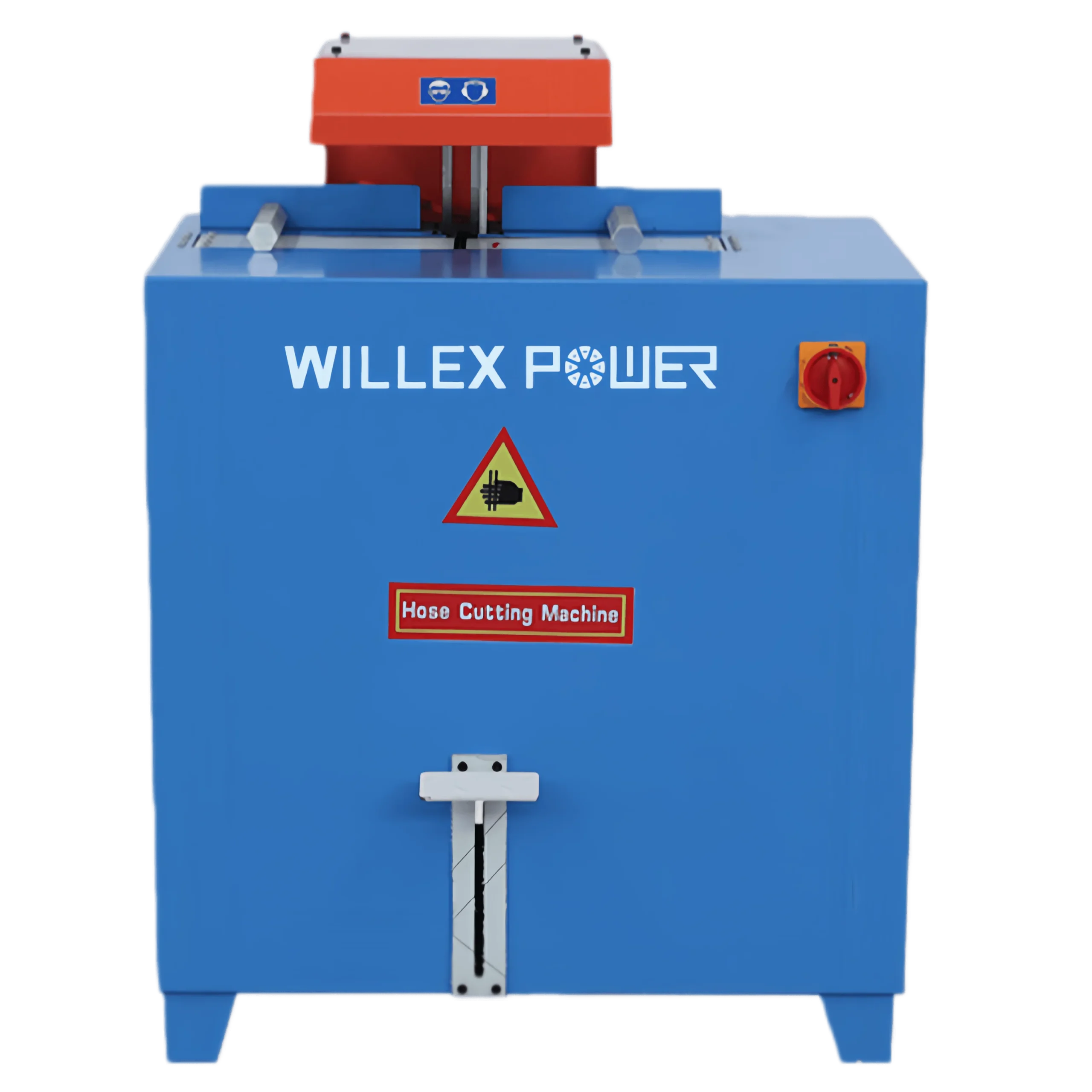
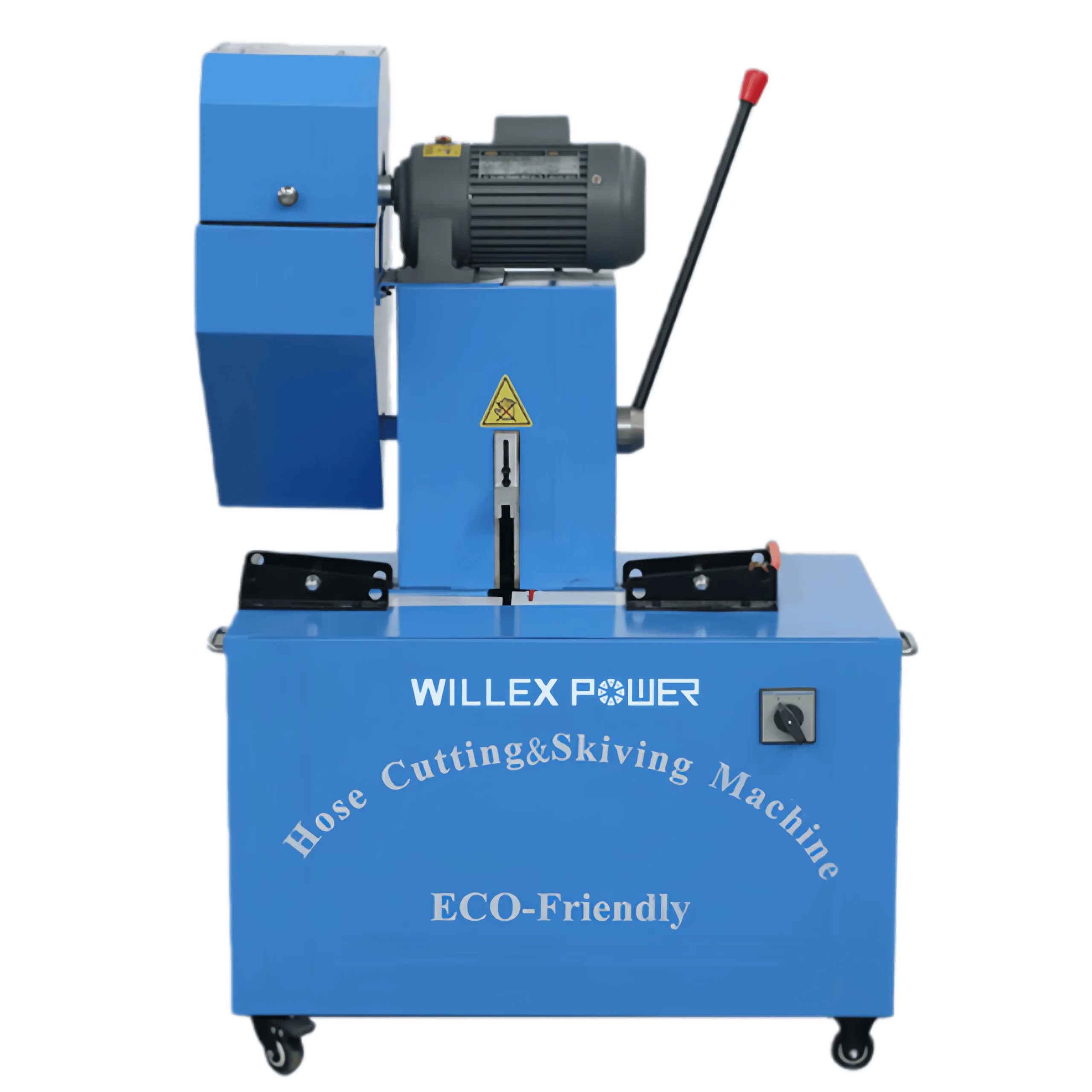
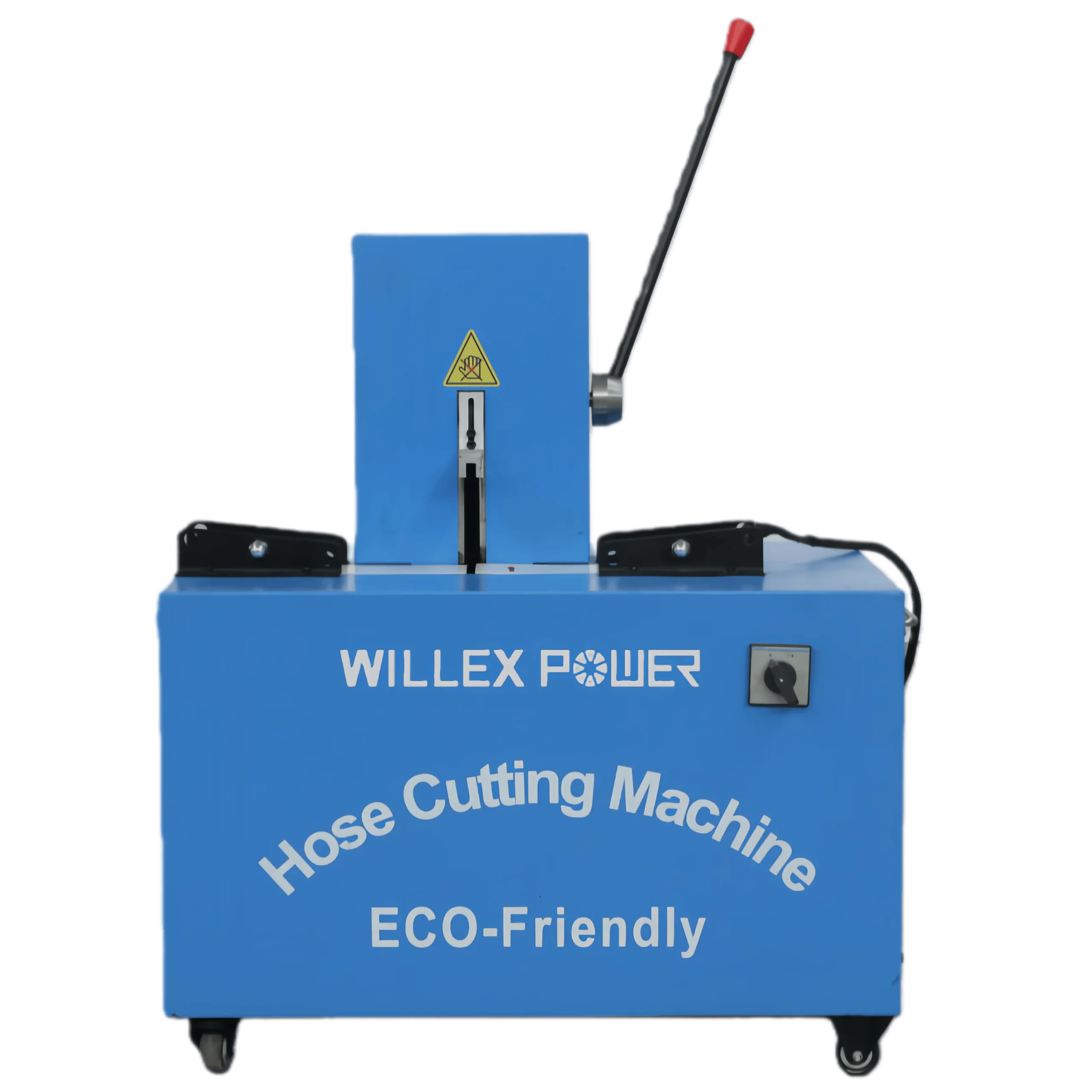
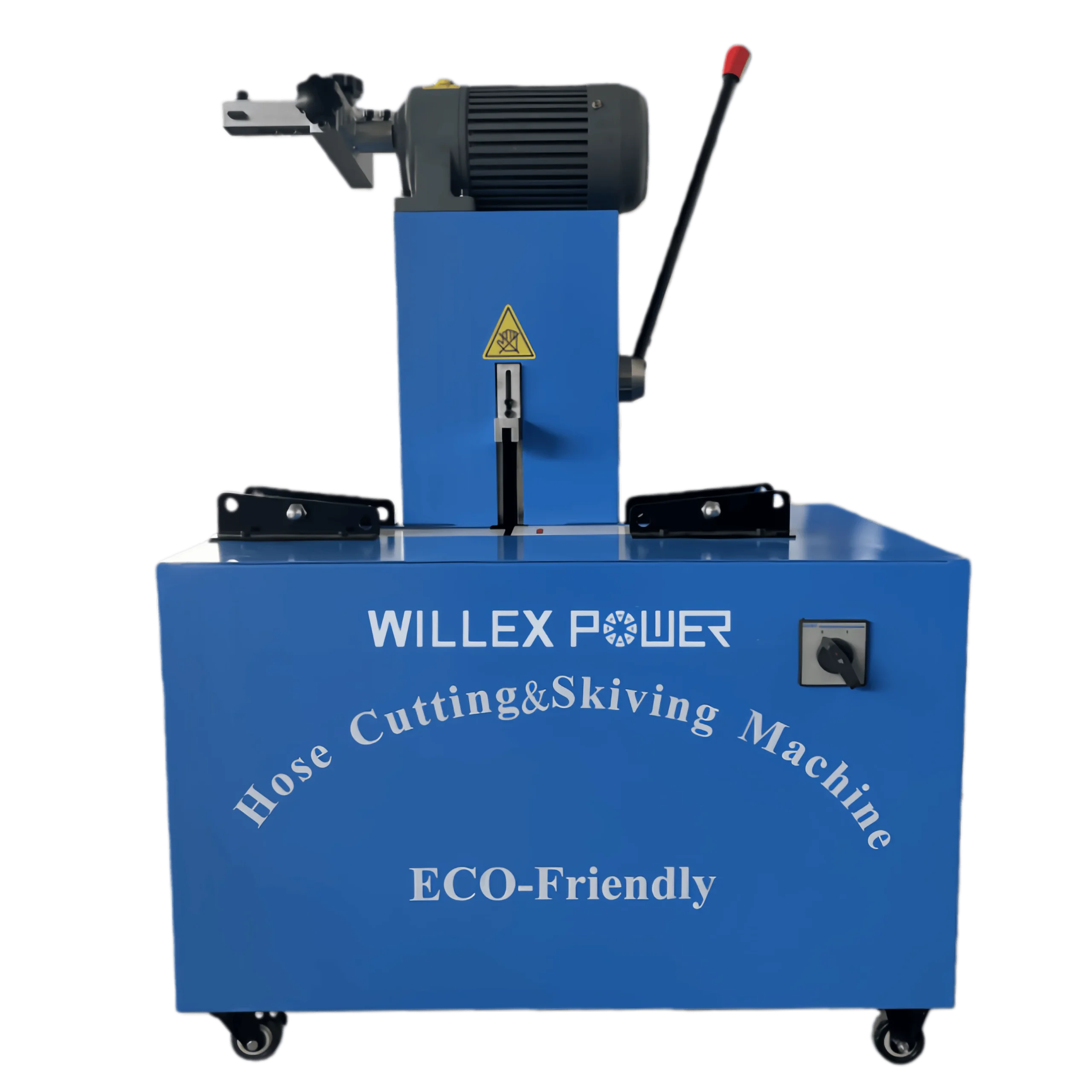
1. Hose Cutting Techniques
- Use a dedicated cutter: Avoid using an angle grinder to prevent burrs that could affect the seal.
- Ensure a smooth cut: Use a file after cutting to ensure the end faces are perpendicular.
2. Crimping Special Hoses
- Four-ply Steel Wire Hose (4SP): Requires higher crimping pressure; it is recommended to crimp in two steps (light pressure first to position, then high pressure to secure).
- High-temperature-resistant hoses: After crimping, heat-set treatment can be performed to improve sealing.
3. Emergency Repair Techniques
- If a spare mold is unavailable: Sand the worn mold temporarily with sandpaper to extend its life (but long-term use is not recommended).
- Cylinder Leakage: If the seal is damaged, wrap it with raw tape as a temporary fix, but replace it as soon as possible.
Summary
✔ Precisely controlling the crimping pressure is key to ensuring a tight seal.
✔ Regular maintenance can significantly extend equipment life.
✔ Optimizing production processes can improve efficiency and reduce scrap.
Mastering these techniques will not only improve crimping quality but also reduce equipment failure rates. Operators are advised to accumulate experience and record optimal crimping parameters for different hoses to establish standardized operating procedures.
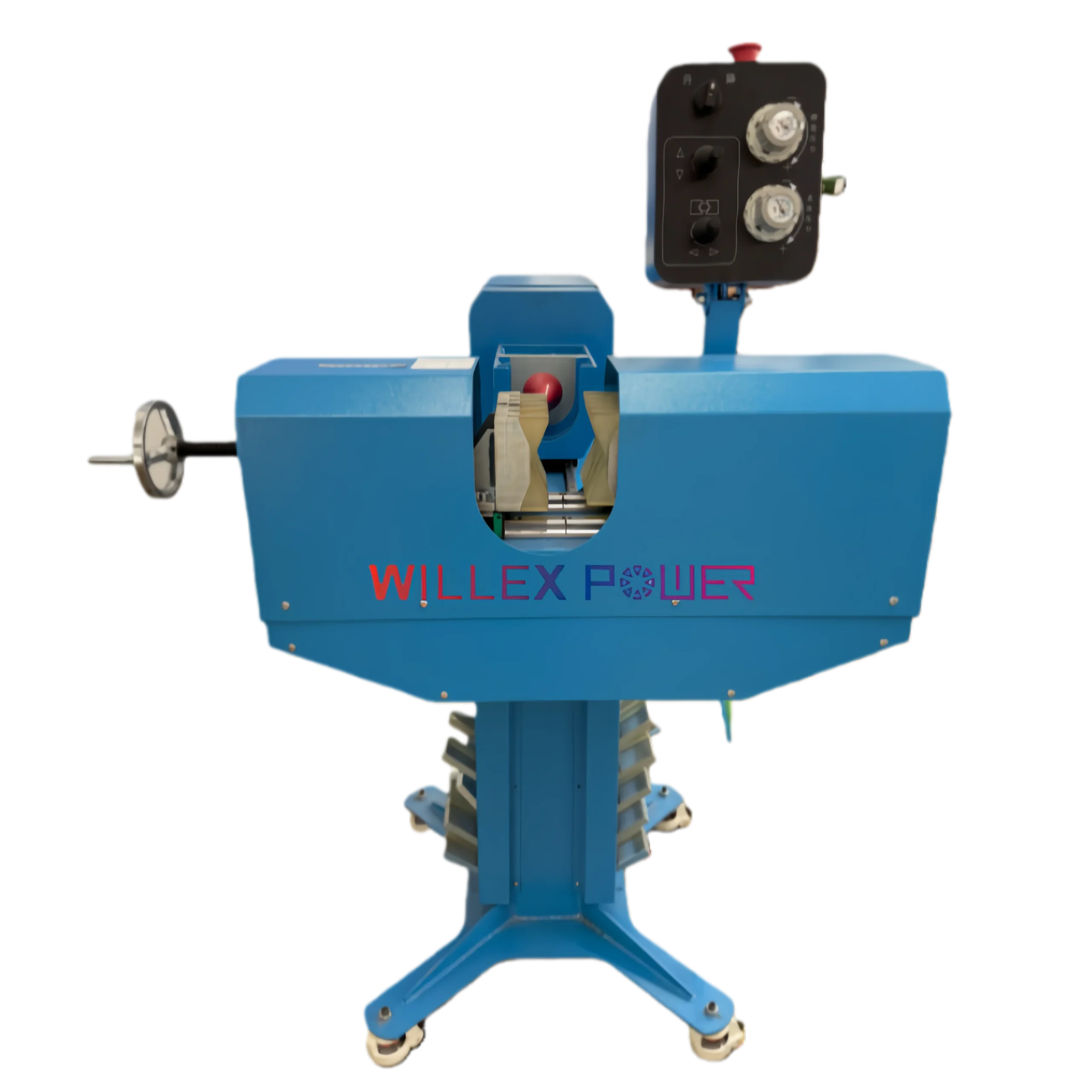
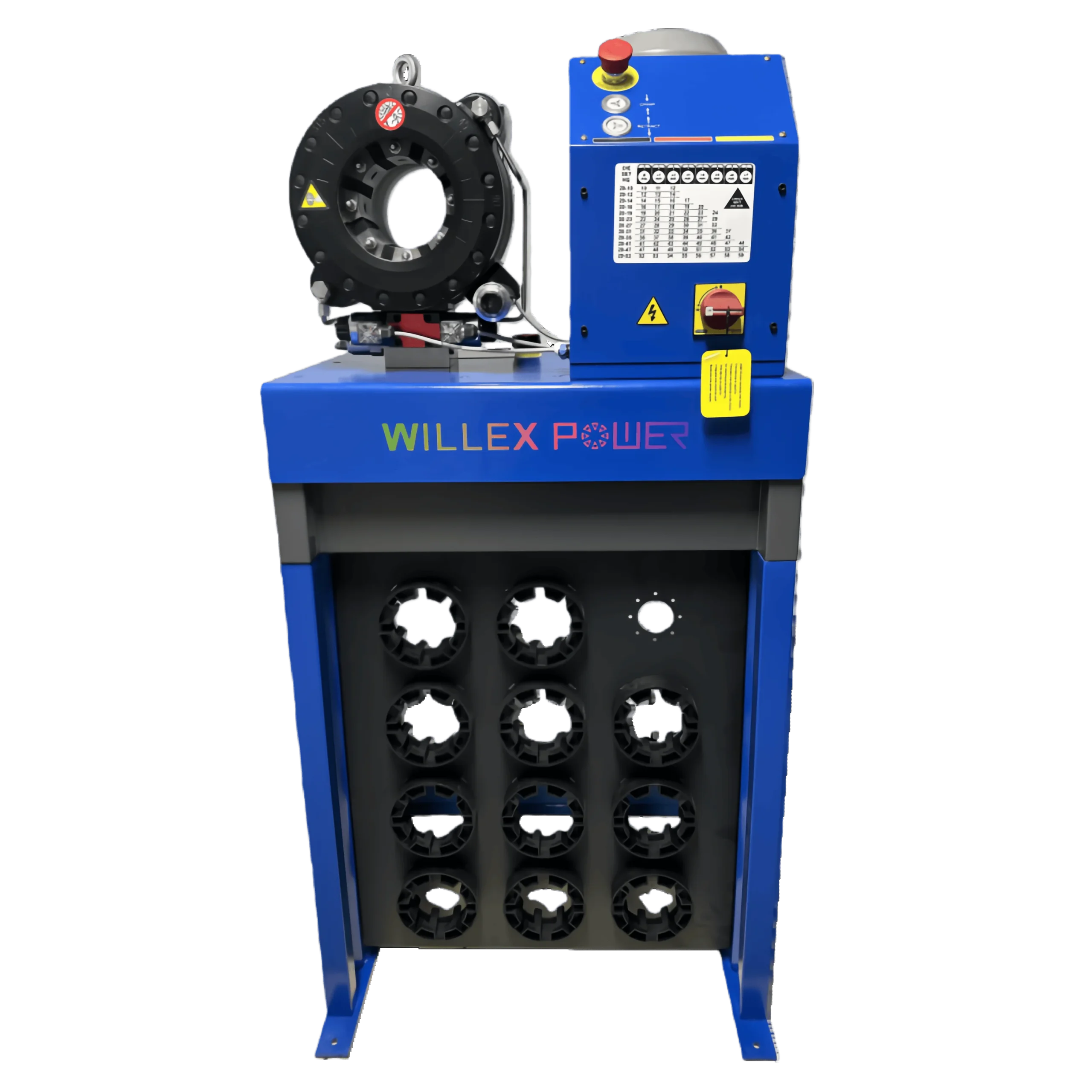
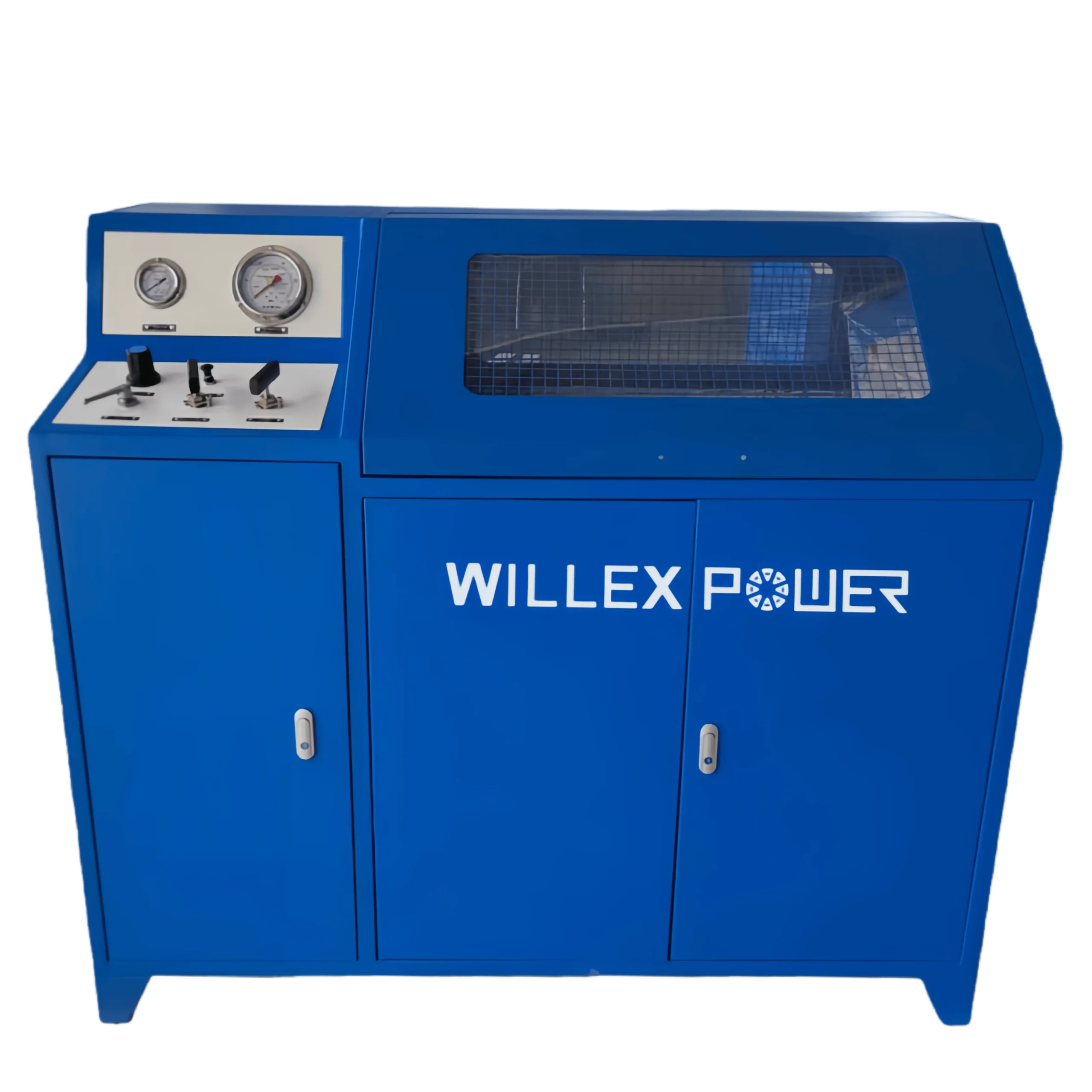
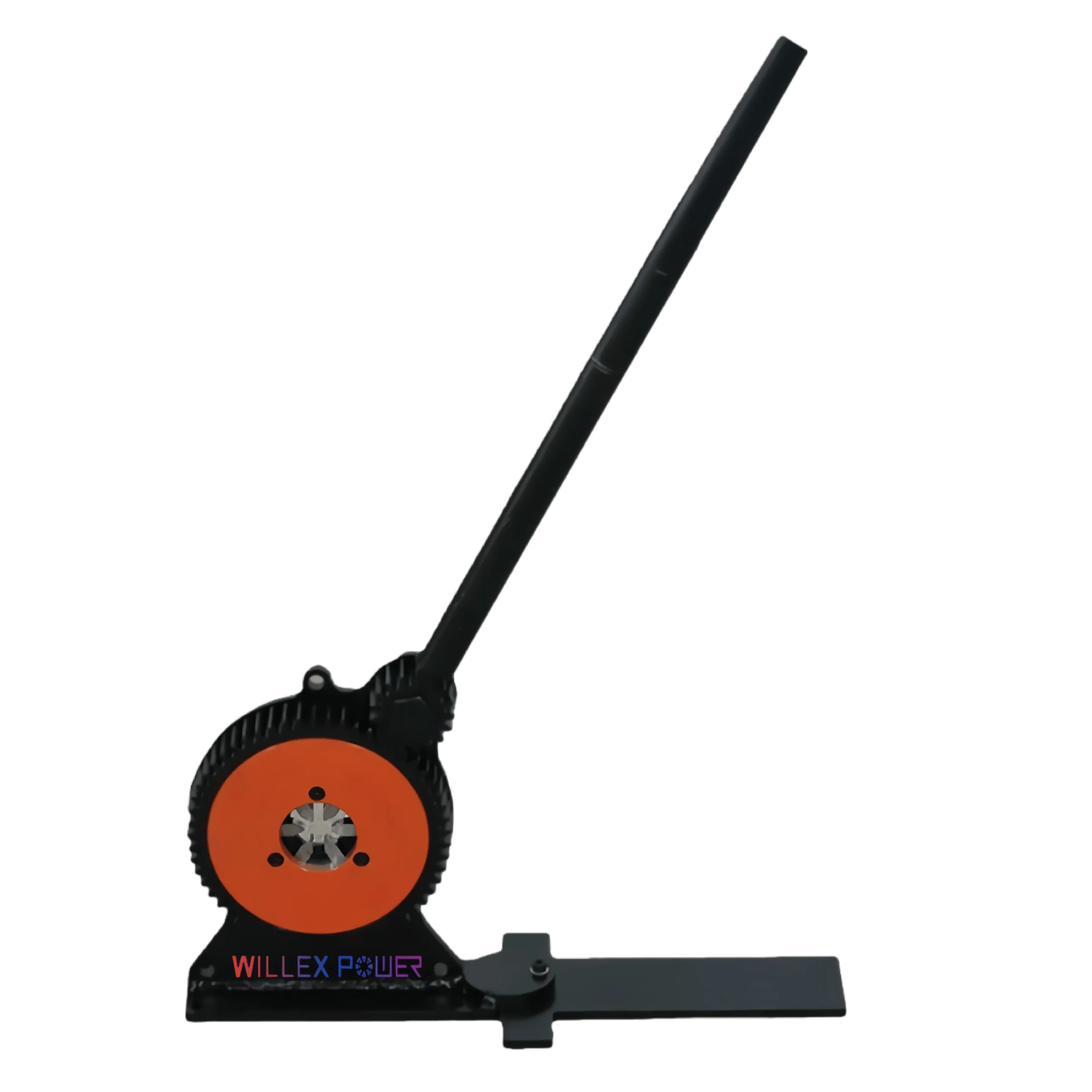
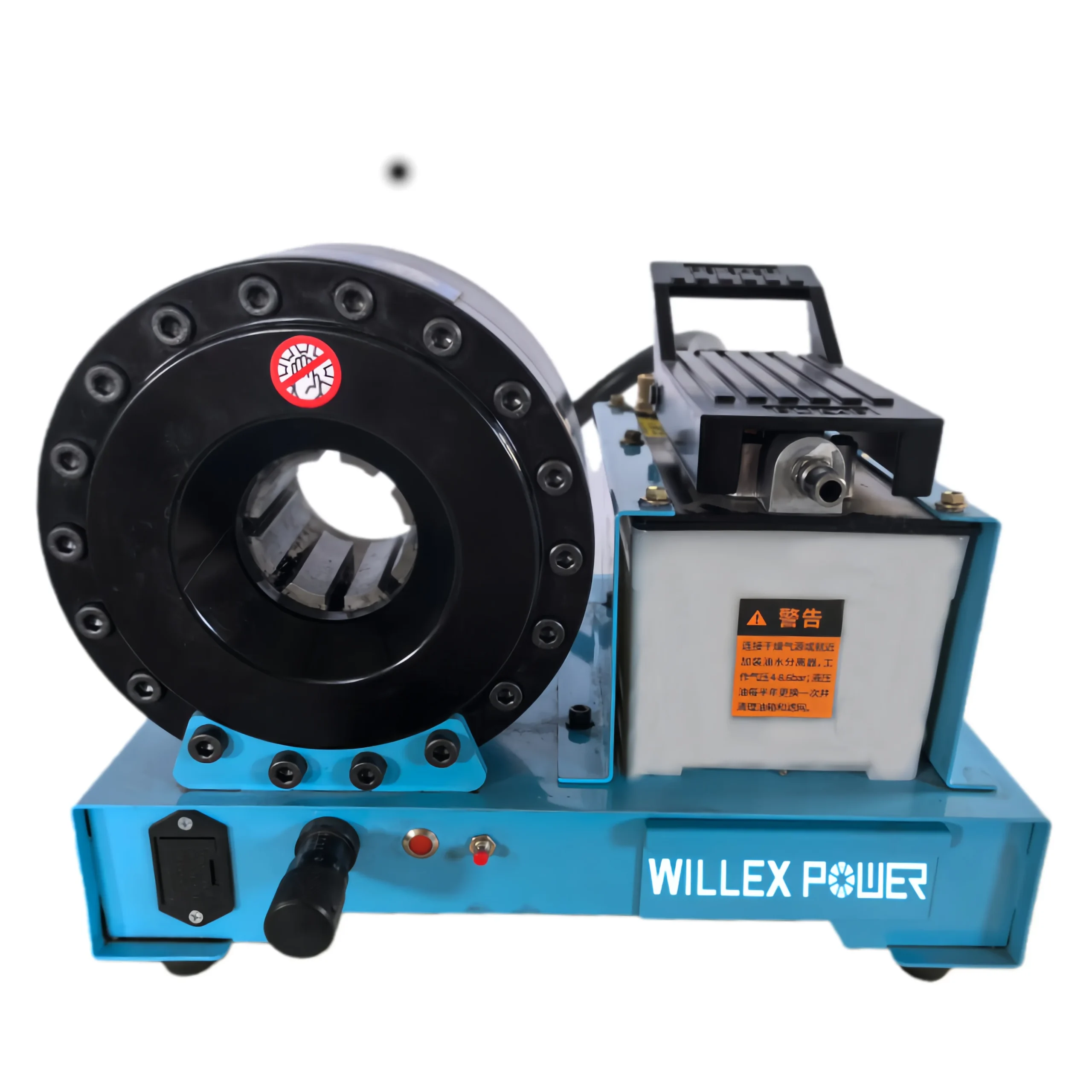
-20260121013914-scaled.webp "WILLEX POWER DZW-A10-1 Hose Crimping Machine")
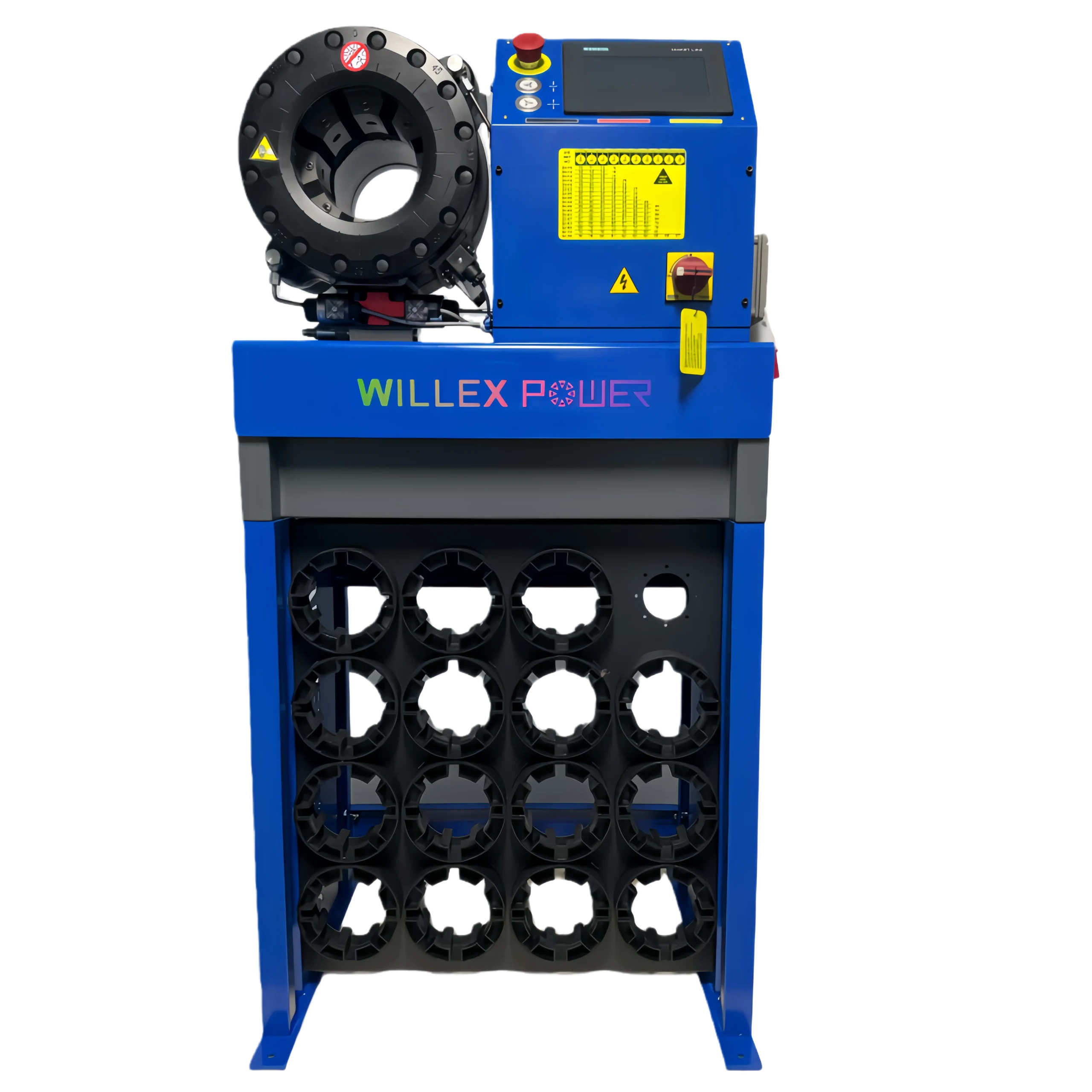
-20260121014427-scaled.webp "Hose Crimping Machine DZW-A10")
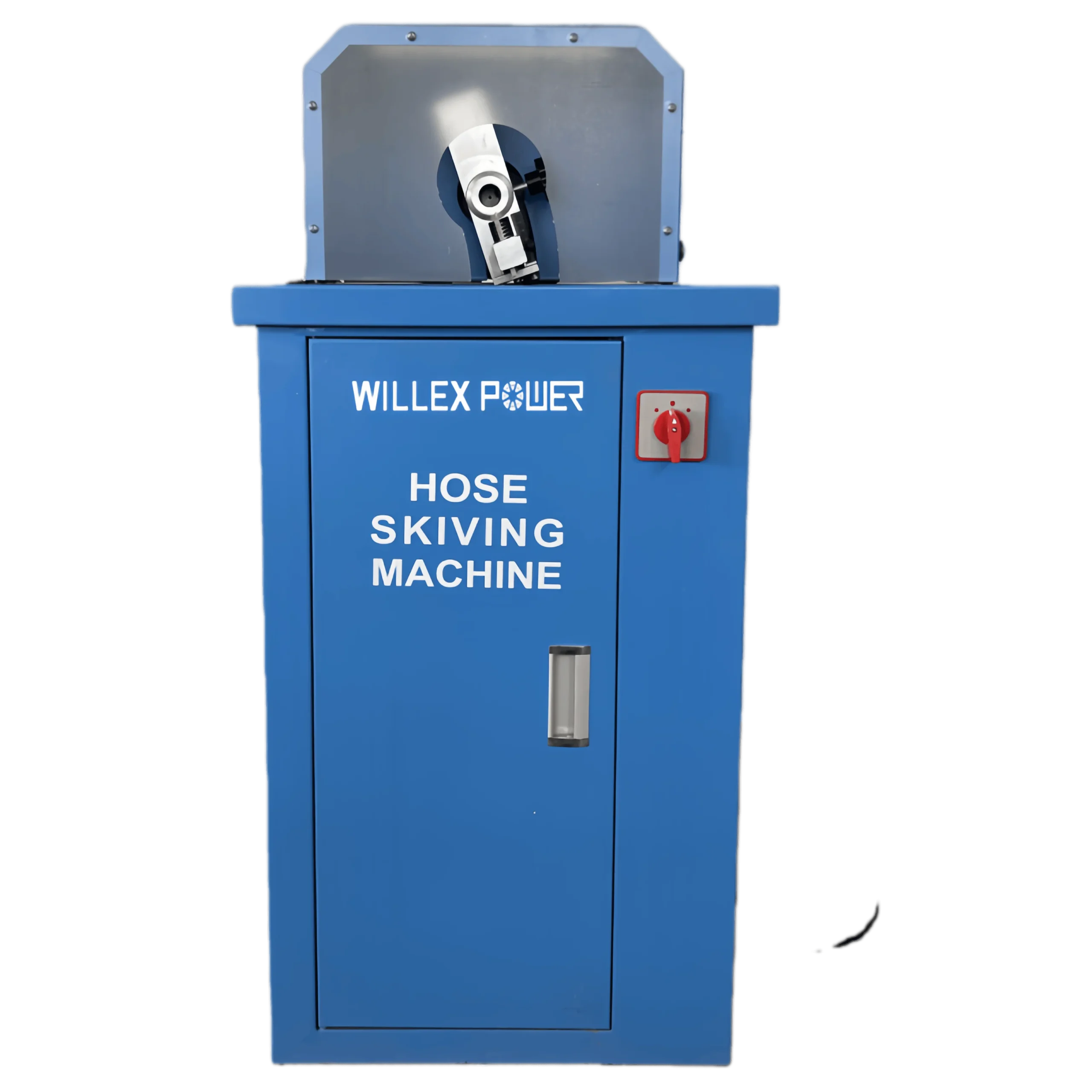
-20260121015636-scaled.webp "Hose Skiving Machine DZW-51BJ-M")
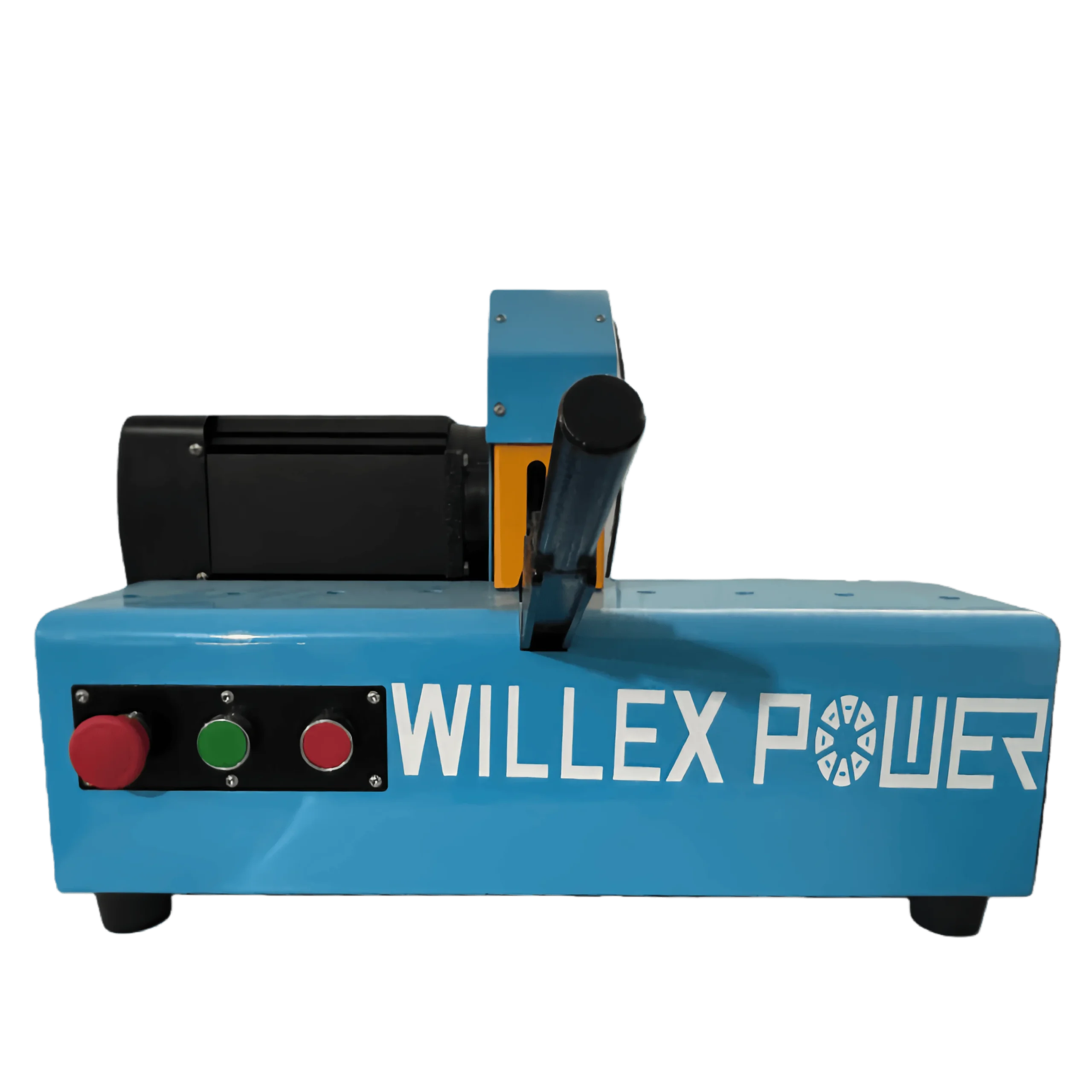
-20260121015753-scaled.webp "Hose Skiving Machine DZW-51BJ-C")
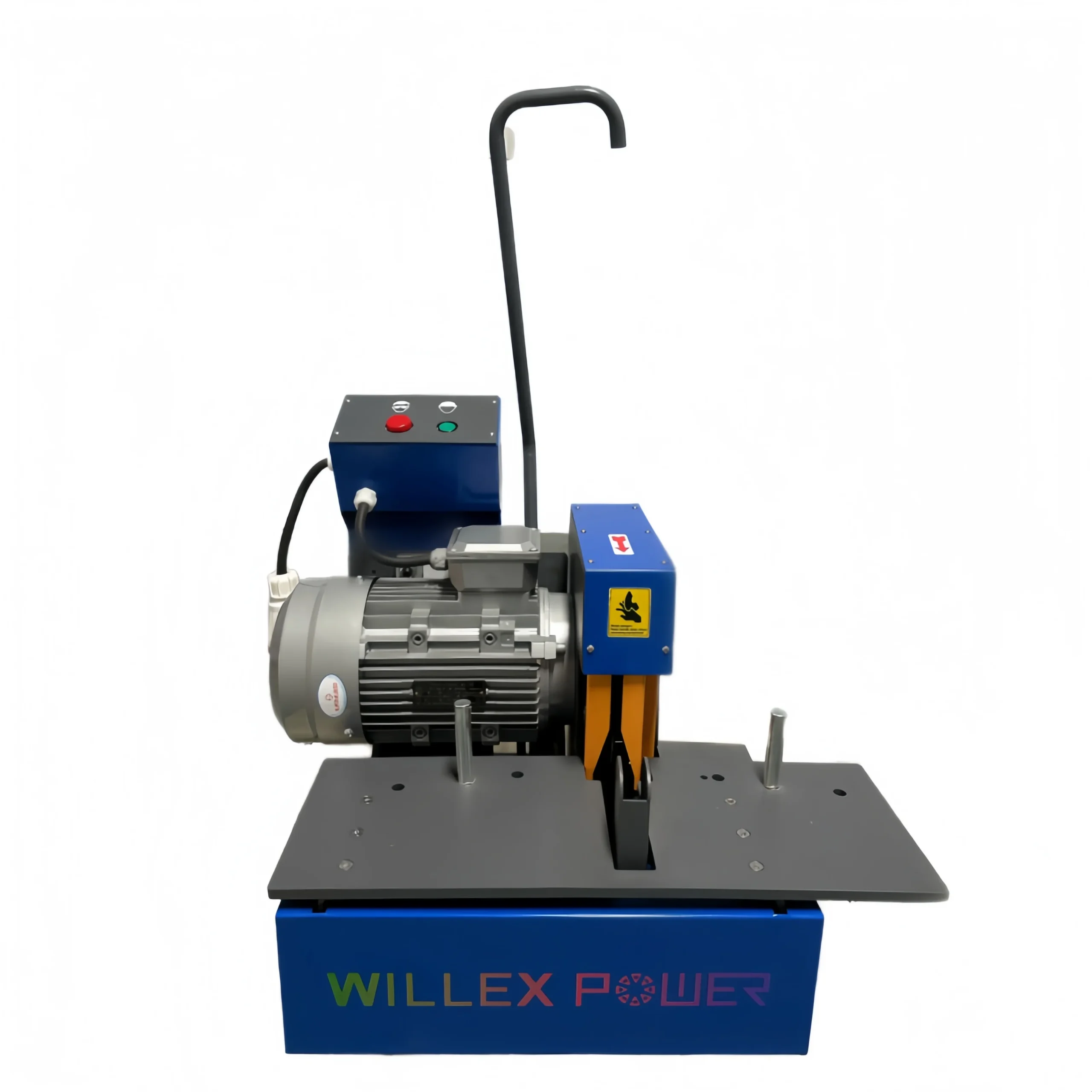
-20260121020311-scaled.webp "Hose Skiving Machine DZW-51BJ-E")